Note: costs mentioned below are given in US dollars as a general point of reference — actual prices vary by country, currency, and local market.
Static-cling or suction-cup window shades run $8-$20 a pair, roller/retractable mesh shades run $20-$45 per window, and custom-fit magnetic shade sets for a specific model run $40-$80 for a full set. Mesh shades block roughly 80-95% of UV and cut visible glare while still letting the driver see through the rear window in the mirror; solid opaque shades block more heat and light but should never be used on any window the driver needs for visibility while the car is moving.
At a glance
| Shade type | Price band | UV/glare blocked |
|---|---|---|
| Static-cling shade | $8-$15/pair | ~80-90% UV, easy to reposition |
| Suction-cup roller shade | $15-$30 | ~85-95% UV, retracts when not needed |
| Magnetic custom-fit set (full vehicle) | $40-$80 | ~90-97% UV, tailored per model |
| Mesh privacy screen (rear side/back) | $15-$35 | ~70-85% UV, keeps some visibility |
Where each shade type actually belongs
Rear side windows and the rear windshield are the safe zone for denser or opaque shades, since the driver doesn't rely on them for primary visibility (though rearview-mirror sightlines through the back window still matter with the car in reverse). Front side windows next to the driver and front passenger should stick to lighter mesh or nothing at all — anything opaque there blocks the driver's side vision, which is both dangerous and, in many jurisdictions, treated the same as illegal window tint for enforcement purposes.
How the mounting styles compare
- Static cling: presses onto clean glass with static, no residue, but can lose grip in extreme heat or cold
- Suction cups: strong hold, easy on/off, occasional cup failure on pitted or curved glass
- Magnetic custom-fit: cut to a specific window shape, attaches via magnetic strip on the frame, most secure but least portable between vehicles
- Roller/retractable: mounts once, pulls down like a blind, most convenient for daily changing sun angle
UV, heat, and kids/pets in the back seat
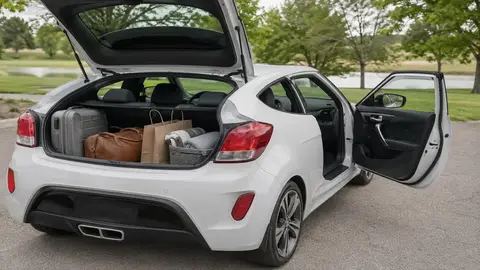
Rear window sunshades meaningfully reduce direct UV exposure and glare for children and pets seated in the back, which is the main reason parents buy them. They do not meaningfully lower cabin temperature on their own the way a windshield reflector does when parked — their job is glare and UV reduction for occupants while driving, not heat rejection for an empty parked car.
| Window | Recommended shade type | Avoid |
|---|---|---|
| Front driver/passenger side | Light mesh only, or none while driving | Any opaque or dark cling shade |
| Rear side windows | Static cling, suction, or magnetic — any density | Nothing to avoid specifically |
| Rear windshield | Mesh or light shade if towing/reversing often | Fully opaque shade if you rely on rear mirror visibility |
Window shades and window tint are regulated separately in many places, but some states treat any obstruction added to front side windows the same as illegal tint during a vehicle inspection or traffic stop. Keep front side windows shade-free while driving.
Who benefits most
Parents driving young children in rear-facing or forward-facing seats get the clearest benefit — sun exposure in a stationary rear seat position is hard for a child to self-correct by looking away. Pet owners and anyone parking outdoors for long stretches with pets in the back also benefit. Drivers without rear passengers, or those who mostly park in covered or shaded areas, get comparatively little from window shades and may prioritize a windshield shade instead, which addresses parked-car heat directly.
Frequently asked questions
Do window sunshades block enough UV to matter?
Is it legal to put a sunshade on the front side windows?
Do rear window sunshades reduce cabin temperature?
Will suction cup shades damage my window tint?
Will installing this accessory void my car's warranty?
Sources & further reading
- NHTSA — Child Heatstroke Prevention Campaign
- Governors Highway Safety Association — window tint and equipment laws by state
Figures, prices and policy details were current at the last-updated date above. Automotive pricing, incentives and regulations change frequently — verify time-sensitive details with the linked primary sources. Read our editorial policy and fact-checking standards.