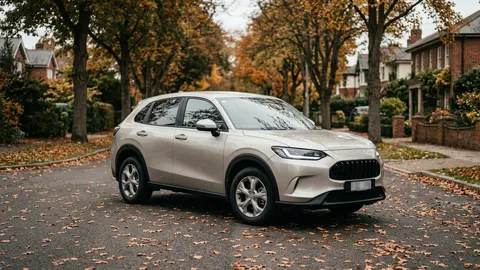
The new-reg window opens on 1 September
The 76 plate September 2026 changeover lands on 1 September 2026, and with it comes one of the two biggest new-car buying windows of the UK year. Every new car registered from that date until 28 February 2027 carries the 76 age identifier — the middle pair of characters in the familiar AB76 CDE format.
The number follows a convention that confuses almost everyone at first. Under the DVLA system, September plates add 50 to the calendar year — hence 76 for 2026 — while March plates simply borrow the year's last two digits. The same logic gave us the 26 plate this spring, and it will produce the 27 plate next March.
For buyers, though, the plate change matters less as trivia and more as a market event. March and September are the year's two biggest registration peaks, and the trade plans its promotions, sales targets and stock around them. That creates opportunity — and a couple of traps.
How the September 2026 plate change works
The mechanics are simple. From 1 September 2026, every brand-new car registered in the UK wears the 76 identifier, and it stays current until the end of February 2027. Register a car on 31 August and it takes the outgoing identifier instead — on paper half a year older than a car registered a day later. The used market notices.
There is a legal wrinkle too. A 76 registration cannot lawfully be assigned to a car registered before September 2026. The DVLA's rules exist to stop a car being made to look newer than it is, and plate misuse risks a fine of up to £1,000. The same principle governs cherished plates — you can make a car look older, never newer — and our guide to private number plates covers how to buy and assign one safely. This is general guidance rather than legal advice, so check current DVLA rules before transferring anything.
Deals, discounts and the September rush
Plate-change months are when dealers work hardest. Manufacturers load the quarter with targets and showrooms run new-reg promotions — Autotrader and dealer groups such as Lookers have noted how the twin peaks shape the retail calendar. September is often a strong month to negotiate, particularly on cars already in stock.
The flip side is the late-August squeeze. Cars registered in the final days of the outgoing plate instantly look older on paper, so dealers are motivated to clear them, often at the sharpest pre-change discounts. A buyer who cares about the monthly payment more than the plate can do well in late August. A buyer who cares about resale should think harder.
The resale case for waiting
Industry commentary is consistent on the broad point: a fresher plate typically improves desirability and resale value versus an identical car wearing the older identifier. Same spec, same mileage — the 76-plate example will generally be the easier sell and stronger part-exchange when the time comes. That advantage is real, but it has to be weighed against whatever discount the older-plate car carries today.
There is also a middle path. The September rush pushes a wave of pre-registered and nearly new stock into the market in the following months — fertile ground for anyone happy to skip the newest identifier altogether. If that is you, our comparison of approved used versus ordinary used cars in the UK is the sensible next read.
The honest assessment
The 76 plate is not magic. It does not make a car faster, better equipped or cheaper to run — it is a date stamp, and the market's obsession with it is partly self-fulfilling. But self-fulfilling still means real: resale values and showroom bargaining power both move around these twice-yearly peaks, and pretending otherwise costs money.
Wait for September if you are buying new and care about residuals. Pounce in late August if a dealer prices outgoing-plate stock sharply and you plan to keep the car long enough for the identifier to fade into irrelevance. Either way, negotiate — this is one time of year when the calendar is firmly on your side.
The questions buyers actually ask
Can I put a 76 plate on my current car? No. A 76 registration cannot legally be assigned to any car registered before September 2026, and misrepresenting a car's age through its plate risks a fine of up to £1,000.
Is it worth waiting for the 76 plate? If you are buying new and expect to sell within a few years, generally yes — the fresher identifier typically helps resale. If you are keeping the car long term, a strong August discount on the outgoing plate can be the better deal.
How long does the 76 plate run? From 1 September 2026 to 28 February 2027. After that, the March 2027 change introduces the 27 identifier.
Key takeaways
- Every new UK car registered from 1 September 2026 to 28 February 2027 carries the 76 identifier in the AB76 CDE format.
- September plates add 50 to the year under DVLA convention — which is why 2026 produces a 76 plate.
- A 76 plate cannot be assigned to an older car; misuse risks a fine of up to £1,000.
- March and September are the UK's two biggest registration peaks, and dealers run promotions around both.
- Fresher plates typically aid resale, but late-August discounts on outgoing-plate stock can outweigh that for long-term keepers.
Sources & further reading
- DVLA registration convention and plate-format guidance via NewReg, Carwow and Easy Number Plates
- UK dealer and market commentary from Autotrader, Lookers and Bespoke Plates, mid-2026
Figures, prices and policy details were current at the last-updated date above. Automotive pricing, incentives and regulations change frequently — verify time-sensitive details with the linked primary sources. Read our editorial policy and fact-checking standards.