What the letters actually mean
When an insurer "writes off" a car, it assigns a salvage category. Cat A and B never return to the road (scrap and break-for-parts respectively). The buyable ones are Cat S — structural damage, professionally repairable — and Cat N — non-structural: cosmetic panels, electrics, suspension components, theft recovery, even flood-adjacent claims. The categories replaced the old C and D in 2017, so older listings may still show those.
The attraction is arithmetic: repaired Cat N cars typically trade 20–30% below clean-history equivalents, Cat S often 30–40% below. The marker never leaves the car's history, which is precisely why the discount exists — and why it follows you to resale.
Where the risk actually lives
The category tells you what the insurer recorded, not how well the repair was done. A Cat S repaired by a bodyshop with jig measurements and documentation can be safer than an unrecorded botch; a Cat N "light damage" car repaired in a driveway can hide airbag deletions and second-hand seatbelt pretensioners. The risk is repair quality, and the paperwork is your only window into it.
The practical catches: some insurers decline or surcharge written-off cars (phone yours before bidding, not after); finance and some warranty products treat them warily; Cat S cars require the DVLA to be notified and re-registration steps completed — a car sold without that done is a red flag in itself.
The buyer's checklist
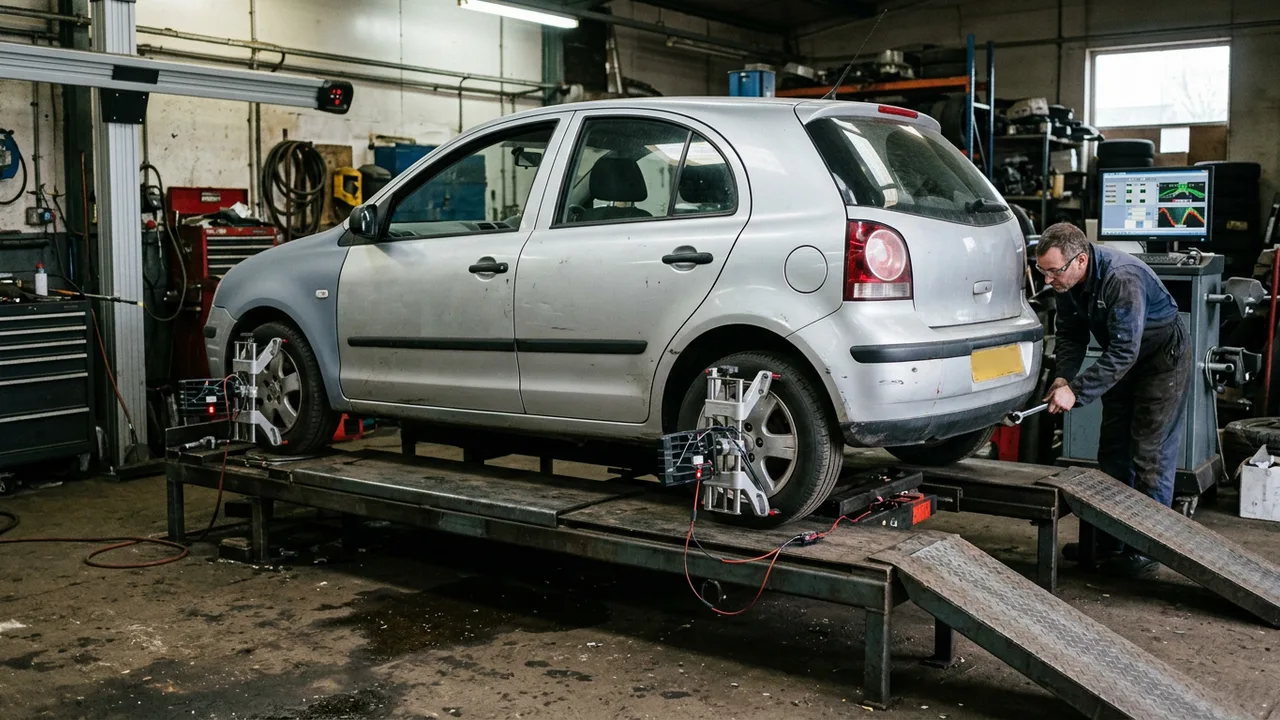
Insist on the repair invoice trail — parts, labour, who did it. Commission an independent post-repair inspection (engineer reports cost little against the price of a wrong car) checking panel gaps, paint depth, underside welds and — critically — airbag and pretensioner function via diagnostic scan, not dashboard-light theatre. Run the history check to see the damage date and mileage consistency. Then price it honestly: your discount must cover both the resale haircut and the residual uncertainty. A Cat N at 10% off is not a deal; it's a clean-car price with an asterisk.
The questions buyers actually ask
Are Cat N cars always safe? No — "non-structural" includes steering, brakes and electronics. Category is a claim-accounting label, not a safety certificate.
Will insurance really cost more? Often it's identical; some insurers load or refuse. The variance between insurers is bigger than the write-off effect — shop it.
Best use case? A keeper-car you'll run for years, bought with documentation from a reputable repairer. Worst: a flip, where the resale haircut lands on you.
Key takeaways
- Cat S = structural, Cat N = non-structural; A and B can't return to roads
- Expect 20–40% discounts — permanent history marker prices the risk
- Repair quality is everything: demand invoices, get an engineer's inspection
- Verify airbags/pretensioners by diagnostic scan; confirm DVLA steps on Cat S
- Confirm your insurer's stance before you buy, not after
Sources & further reading
- ABI salvage-code framework (2017)
- UK inspection-industry guidance
- motor-trade pricing consensus
Figures, prices and policy details were current at the last-updated date above. Automotive pricing, incentives and regulations change frequently — verify time-sensitive details against the primary sources listed below. Read our editorial policy and fact-checking standards.