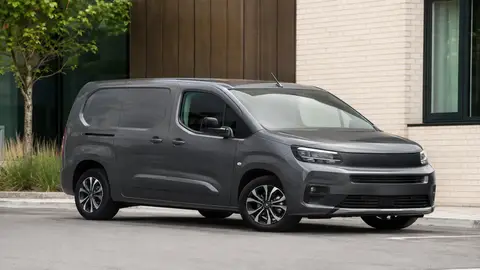
Commercial vehicle finance covers vans, trucks, buses, minibuses and similar business-use vehicles. Key differences from personal finance: the loan or lease is typically in the business name (not personal), lenders assess the business's creditworthiness and trading history, and tax treatment is more favourable — interest, depreciation and lease payments may all be deductible as business expenses. Options include hire purchase (HP), finance lease, operating lease, and asset finance. Self-employed sole traders can access business finance if they have trading history.
True Motion Auto collects and presents information from official and primary sources (regulators, government bodies, lenders and insurers' published terms). This is general information, not personalised financial advice — check figures with the provider or a qualified adviser before acting. Jurisdiction: General — check your jurisdiction. Last checked: August 2026.
Editorial oversight: Vasudha Gupta, Editor.
Commercial vehicle finance options at a glance
| Product | Ownership at end | Tax treatment | Best for |
|---|---|---|---|
| Hire Purchase (HP) | Buyer owns vehicle | Capital allowances on cost | Businesses wanting to own the asset |
| Finance Lease | Lease company; option to extend | Lease payments deductible | Businesses wanting to preserve capital |
| Operating Lease | Lease company returns vehicle | Full lease cost deductible | Fleet managers; predictable cost businesses |
| Chattel Mortgage (AU/IN) | Buyer owns from day 1 | Interest and depreciation deductible | Common in Australia, some Asian markets |
| Asset Finance / Secured Business Loan | Buyer owns vehicle | Interest deductible | Flexible; for established businesses |
How commercial vehicle finance differs from personal auto loans
The core difference is who is borrowing and how lenders assess risk. A personal auto loan evaluates your personal credit score and income. Commercial vehicle finance evaluates the business: years trading, turnover, profitability, existing debt, and sometimes personal guarantees from directors or owners. New businesses (under 2 years) often find commercial finance more difficult and may need personal guarantees or a deposit.
The vehicle itself is also assessed differently — commercial vehicles are often valued on their utility and earning potential, not just market depreciation. A refrigerated van or a specialist truck may hold its value differently from a standard passenger car.
Hire purchase for commercial vehicles
HP is the most straightforward commercial vehicle finance product. The business makes fixed monthly payments over an agreed term (typically 24–60 months); at the end, ownership transfers for a nominal fee. The business can claim capital allowances on the vehicle's cost from day one, and the interest element of the monthly payment is also tax-deductible. HP is widely available from banks, specialist asset finance companies, and manufacturer dealer networks.
Finance lease and operating lease
A finance lease keeps the vehicle on the balance sheet of the leasing company, but the business uses it and bears the maintenance and insurance costs. At the end, the business typically cannot own the vehicle outright under a finance lease, but can extend or participate in the sale proceeds. An operating lease (closer to a rental in practical terms) keeps the vehicle entirely off the business's balance sheet — all costs are treated as operating expenses.
For businesses focused on cash flow and balance sheet management, operating leases are often preferred for fleet vehicles. For businesses that want to build equity or eventually own the vehicles, HP is more appropriate.
Self-employed and sole trader financing
Self-employed individuals can access commercial vehicle finance, but lenders typically want to see 1–3 years of accounts or tax returns. The business's ability to service the debt is assessed on profit (not turnover). A strong personal credit profile alongside business accounts strengthens the application. Many specialist lenders serve sole traders and small businesses, including those with imperfect credit histories.
US commercial vehicle lending
In the US, commercial vehicle loans are often structured as business loans secured by the vehicle, with the lender placing a lien on the commercial vehicle title. SBA loans (Small Business Administration) can sometimes be used for commercial vehicles that are integral to business operations. Many major banks and specialist commercial auto lenders (Balboa Capital, National Funding, etc.) offer commercial vehicle finance from $10,000 to several million for larger fleets.
India: commercial vehicle finance
India has a large and developed commercial vehicle finance sector, dominated by NBFCs such as Shriram Transport Finance, Mahindra Finance, and Sundaram Finance alongside public sector banks. Loan terms typically run 36–60 months at rates of 9–14% depending on vehicle type, borrower profile, and lender. Down payments of 15–25% are standard for new commercial vehicles.
Many commercial vehicle lenders require a personal guarantee from the business owner or directors — meaning your personal assets are at risk if the business cannot meet the payments. Read the guarantee terms carefully before signing, and consider legal advice for significant financing commitments.
Frequently asked questions
Can I finance a commercial vehicle in my personal name?
Do commercial vehicle loans require a higher credit score?
Is VAT charged on commercial vehicle finance?
How many vehicles can I finance at once?
What deposit is typically needed for commercial vehicle finance?
Sources & further reading
Figures, prices and policy details were current at the last-updated date above. Automotive pricing, incentives and regulations change frequently — verify time-sensitive details with the linked primary sources. Read our editorial policy and fact-checking standards.