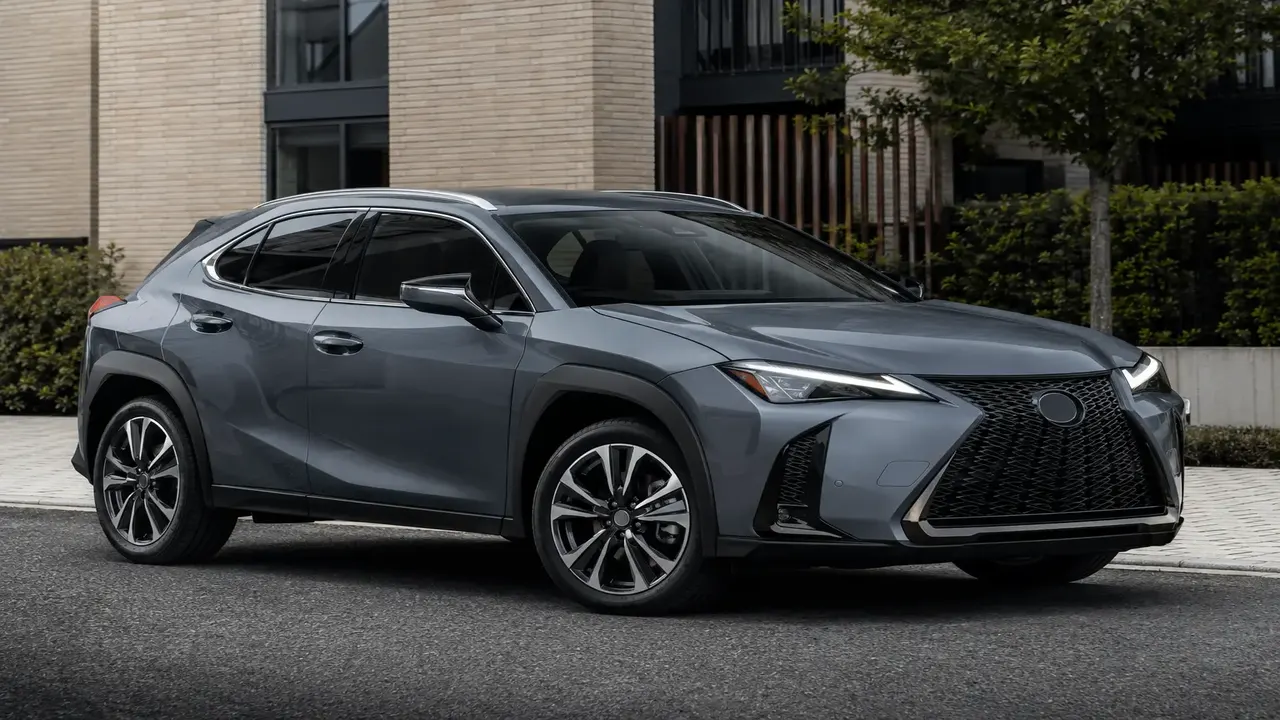
A balloon payment is a large lump sum due at the end of a loan term — typically 20–50% of the vehicle's original price. It reduces monthly payments because you are deferring repayment of a big slice of principal. At the end of the term you have three options: pay the balloon in cash, refinance it into a new loan, or return/sell the car (in PCP-style products). Balloon finance suits buyers who want lower monthly outlay and have a clear plan for the lump sum; it is risky if the car is worth less than the balloon when it falls due.
Balloon vs standard loan — $35,000 car, 5-year term, 7% APR
| Structure | Monthly payment | Balloon due at end | Total paid (excl. balloon interest) | Key risk |
|---|---|---|---|---|
| Standard amortising loan | $693 | $0 | $41,580 | Higher monthly cost |
| 20% balloon ($7,000) | $567 | $7,000 | $41,020 | Must fund $7,000 at end |
| 30% balloon ($10,500) | $528 | $10,500 | $42,180 | Larger lump sum, more interest if refinanced |
| 40% balloon ($14,000) | $488 | $14,000 | $43,280 | Biggest exposure if car depreciates |
What is a balloon payment?
In car finance, a balloon payment is a pre-agreed lump sum that falls due at the end of your loan term, instead of being spread across monthly instalments. The name comes from the idea that the final payment 'balloons' compared with the regular ones. Because a chunk of principal is deferred, monthly payments are lower than on a fully amortising loan for the same amount and term.
Balloon structures appear under different names depending on the market and product: balloon loans in the US, personal contract purchase (PCP) in the UK, reducing balance loans with a residual in Australia, and step-up EMI products in India. The core mechanic is the same.
How balloon payments are calculated
The lender sets a balloon amount — usually expressed as a percentage of the vehicle's original price or as an estimated future value. The loan schedule then amortises only the remaining principal (purchase price minus deposit minus balloon) across the term, leaving the balloon untouched until the final payment date.
UK PCP: the Guaranteed Minimum Future Value
In the UK's PCP product, the lender sets a Guaranteed Minimum Future Value (GMFV) — essentially a floor on what the car is worth at the end of the agreement. If the car's market value exceeds the GMFV at term end, you have positive equity you can use as a deposit on a new deal. If it falls below, returning the car (subject to condition and mileage terms) protects you from the shortfall — the lender absorbs it. This makes UK PCP lower-risk than a straight balloon loan.
Your three options at the end of the term
- Pay the balloon in cash. If you have savings or the car has appreciated, paying it off clears the debt and gives you outright ownership.
- Refinance the balloon. Take a new loan for the balloon amount. This spreads the cost but adds more interest. Always check what rate you will qualify for before agreeing to a balloon — refinancing at a higher rate can erode the monthly savings you made during the term.
- Hand back or sell the car. If the car's market value covers (or exceeds) the balloon, selling it privately or returning it under a PCP agreement settles the debt. If the car is worth less than the balloon — negative equity — you will need to fund the shortfall.
When balloon finance makes sense
- You need lower monthly payments and have a reliable income event (bonus, maturing investment) timed to coincide with the balloon date.
- You plan to change cars before the balloon falls due — and the car will retain enough value to cover it.
- You are using a UK PCP product and value the GMFV protection.
- Business buyers who can manage cash flow and may benefit from the tax treatment of finance costs.
The risks to understand before you sign
- Depreciation risk: if the car depreciates faster than expected, it may be worth less than the balloon. You still owe the balloon amount regardless.
- Refinancing uncertainty: interest rates in 2026 for used-car loans average around 10.4% APR — if rates are higher when your balloon falls due, refinancing becomes expensive.
- Mileage and condition penalties (PCP/lease-adjacent products): exceeding agreed mileage or returning a car in poor condition can generate charges that eat into any equity.
- Rollover trap: repeatedly refinancing balloons without reducing the debt can leave you perpetually owing money on a depreciating asset.
What is the realistic market value of this car at the end of the term? Compare that independently (Kelley Blue Book, Edmunds, AutoTrader) against the balloon amount. If there is a realistic risk the car is worth less than the balloon, price in how you would fund the shortfall.
Frequently asked questions
Is a balloon payment the same as a PCP?
Can I negotiate the balloon amount?
What happens if I cannot pay the balloon?
Do balloon loans charge more total interest?
Are balloon payments common in the US?
Sources & further reading
- Consumer Financial Protection Bureau — Auto Loans Overview
- UK Financial Conduct Authority — PCP Explained
- Bankrate — Auto Loan Rates June 2026
Figures, prices and policy details were current at the last-updated date above. Automotive pricing, incentives and regulations change frequently — verify time-sensitive details with the linked primary sources. Read our editorial policy and fact-checking standards.