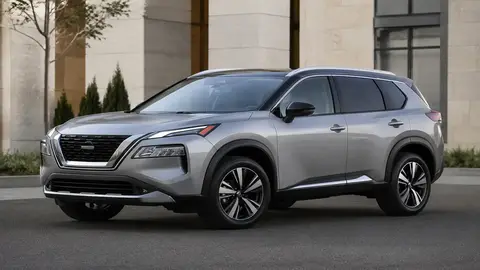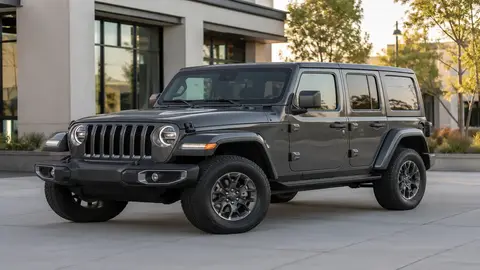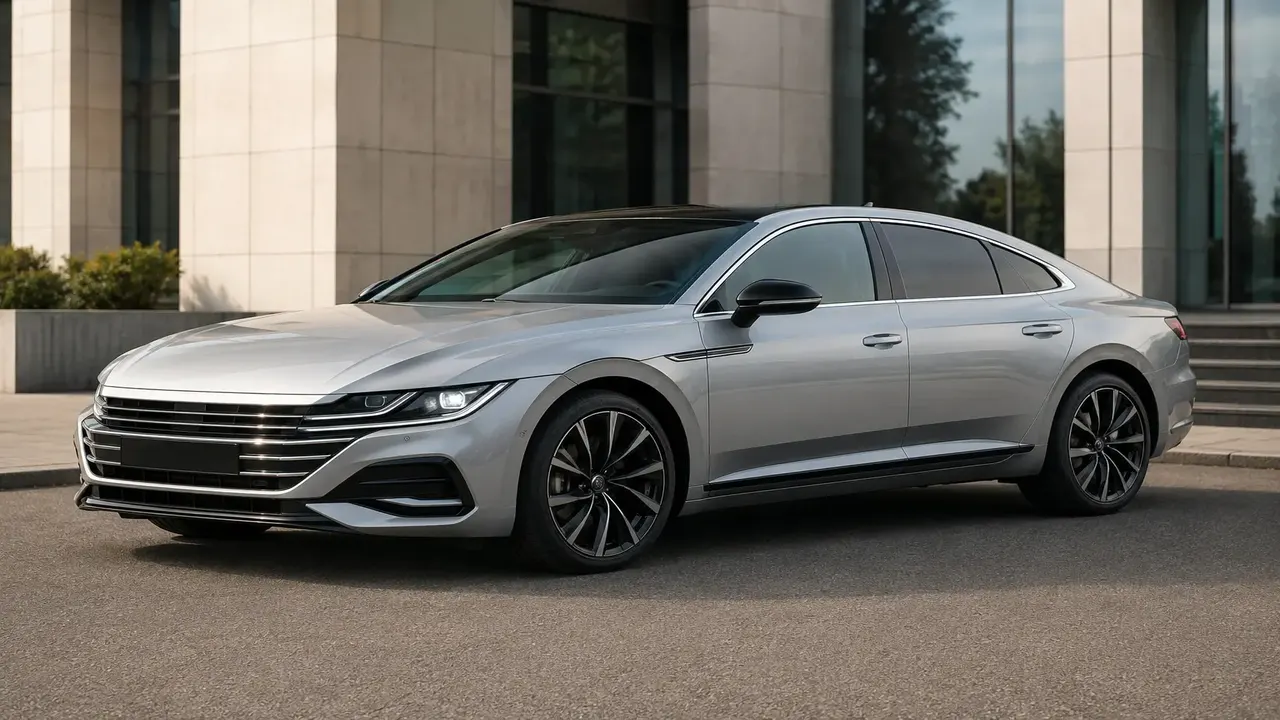
Imported vehicles — whether grey-market imports, parallel imports, or left-hand-drive cars registered in a right-hand-drive country — are harder and often more expensive to insure because insurers have less claims data on them, parts are less available, and repairs cost more. You will almost certainly need a specialist insurer rather than a mainstream provider. The key steps: get a professional valuation, declare the import status upfront, and consider an agreed value policy to avoid payout disputes.
True Motion Auto collects and presents information from official and primary sources (regulators, government bodies, lenders and insurers' published terms). This is general information, not personalised financial advice — check figures with the provider or a qualified adviser before acting. Jurisdiction: General — check your jurisdiction. Last checked: August 2026.
Editorial oversight: Vasudha Gupta, Editor.
Imported vehicle insurance: key facts
| Factor | Detail |
|---|---|
| Mainstream insurer availability | Most decline or load heavily; specialist required |
| Valuation method | Agreed value strongly recommended |
| Parts availability impact | Rare parts = longer repair time = higher premium loading |
| LHD cars in UK | Higher premium; some insurers decline entirely |
| Grey imports (non-spec models) | May lack local crash-test data; some insurers decline |
| India imported car TP premium | IRDAI tariff applies regardless of origin; IDV must reflect import cost |
What counts as an imported vehicle?
For insurance purposes, an imported vehicle is one that was not originally manufactured for, or officially sold in, the country where it is now registered. The category covers several distinct situations with different insurance implications:
- Grey (parallel) imports: cars bought and shipped from another market, often to get a model not officially sold locally or to save on purchase price. Common examples include Japanese-spec cars in the UK, and US-spec trucks in Canada.
- Left-hand-drive cars in right-hand-drive countries (and vice versa): a left-hand-drive American muscle car in the UK, for example, is harder to insure because it presents different visibility and overtaking risks.
- Personal imports: a car bought abroad and brought back when relocating.
- American classics in the UK/Europe: a large subset of the collector import market.
Why insurers charge more — or refuse cover
The challenges for an insurer insuring an import are concrete:
- Parts availability: non-standard models may use components not stocked by UK, US or Indian dealers. Sourcing from the country of origin adds weeks and significant cost to repairs, pushing up average claim values.
- Repair expertise: not every body shop is familiar with the construction of a Japanese-spec import or a US-market truck. Specialist knowledge costs more.
- Claims data: mainstream actuarial models are built on large volumes of claims for locally sold models. An obscure import has little or no local data, which forces insurers to apply conservative pricing or decline entirely.
- Valuation: imported cars — especially classic American cars or JDM (Japanese domestic market) performance vehicles — are often hard to value accurately from standard guides, creating payout risk for the insurer.
Specialist insurers: what they offer and what to look for
If a mainstream insurer will quote at all, they will likely apply a significant loading. Specialist insurers in this space (Adrian Flux, Footman James, and American Muscle specialists in the UK; JC Taylor and others in the US) have underwriting experience with specific import categories and can offer:
- Agreed value policies: particularly important for imports where book values may not reflect actual market value.
- Parts-import cover: some policies cover the cost of sourcing parts internationally, not just local parts prices.
- Classic and modified import cover: for restored or modified imports, specialist classic and modified insurers often provide the best combination of coverage and price.
Failing to disclose that a vehicle is an import at the time of purchase is a misrepresentation that can void a policy entirely. Even if the difference in premium seems frustrating, an undisclosed import status discovered at claim time means the insurer can decline to pay. Always tell the insurer the car's country of origin, whether it is left- or right-hand drive, and whether it is a grey or official market import.
Valuation: the agreed value argument for imports
Standard market-value policies pay what a local market values the car at — which for an import may be well below what you paid, what it would cost to replace, or what it is worth to knowledgeable buyers. An agreed value policy, set with a professional appraisal and documentation of purchase price and condition, eliminates this risk. For any import worth more than a few thousand pounds/dollars, agreed value cover is worth the slightly higher premium.
India: insuring an imported vehicle under IRDAI
India allows importation of vehicles under the Foreign Trade Policy, but imported cars attract significant customs duties (often 100%+ on the car's CIF value). For insurance, the Insured Declared Value must reflect the actual value of the vehicle including import duties paid — not the overseas purchase price. Third-party insurance follows standard IRDAI tariffs by engine capacity. Comprehensive cover IDV must accurately capture the vehicle's true replacement cost; understating IDV to save on premium is a common mistake that leaves the owner significantly underinsured. Foreign-brand vehicles without local dealership networks should be insured with a comprehensive plan that includes coverage for imported parts.
Practical steps before buying and insuring an import
- Get an insurance quote before you buy — not after. Uninsurable imports exist.
- Commission an independent valuation from a specialist who knows the specific market (American classics, JDM, etc.).
- Check parts availability and repair costs in your country before committing to purchase.
- Declare origin, drive configuration and any modifications upfront to every insurer you approach.
- For UK LHD cars, check whether the insurer has specific restrictions on night driving or motorway use.
- Review the policy's parts and repair clause — does it cover the cost of sourcing parts from overseas?
Frequently asked questions
Can I insure a left-hand-drive car in the UK?
What is a grey import?
Does import status affect the MOT in the UK?
How is an imported car's value calculated for insurance in India?
Is agreed value cover always available for imports?
Sources & further reading
Figures, prices and policy details were current at the last-updated date above. Automotive pricing, incentives and regulations change frequently — verify time-sensitive details with the linked primary sources. Read our editorial policy and fact-checking standards.