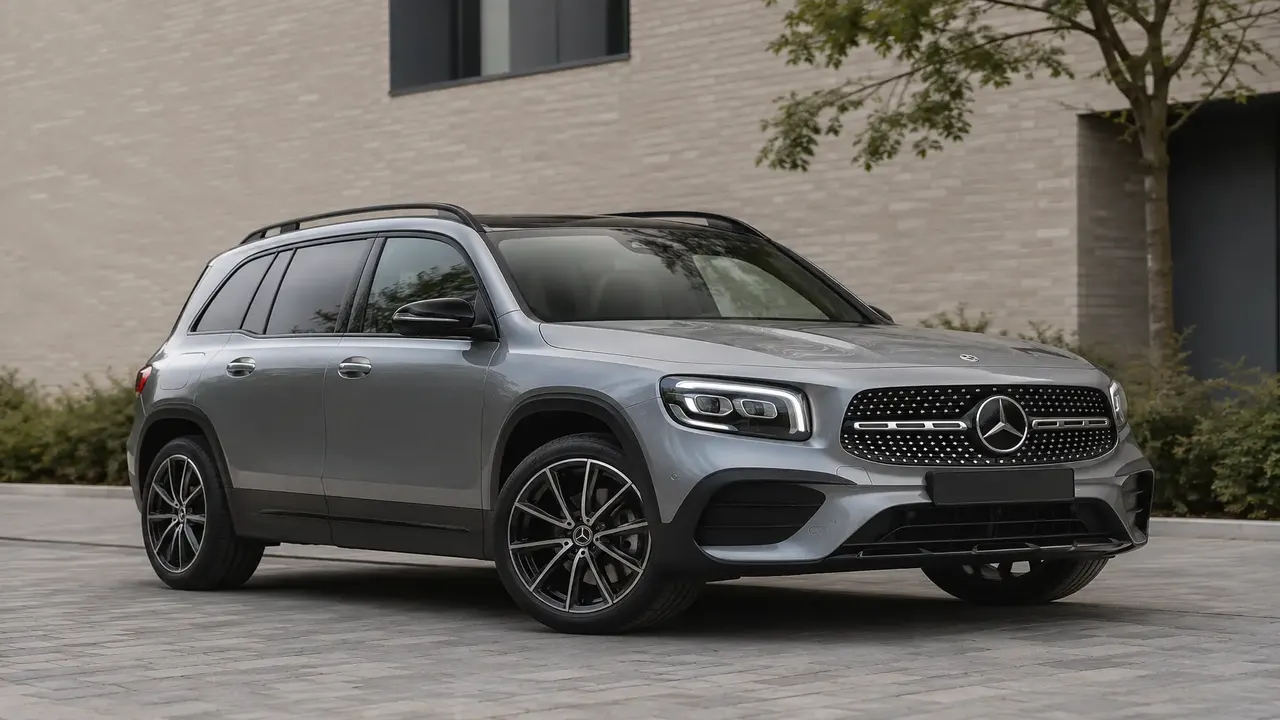
Lease contracts include two types of end-of-term charges that catch many lessees off-guard: excess mileage charges (typically 10–30 cents/mile in the US; 5–15p/mile in the UK above your contracted limit) and wear and tear charges for damage beyond what the leasing company considers 'acceptable'. Neither is insurance — they are contractual obligations. Gap insurance covers the financial gap between the car's value and your remaining balance if it is totaled; a separate lease wear-and-tear waiver or excess mileage waiver (sometimes called 'cosmetic protection') can limit your exposure to end-of-term charges.
True Motion Auto collects and presents information from official and primary sources (regulators, government bodies, lenders and insurers' published terms). This is general information, not personalised financial advice — check figures with the provider or a qualified adviser before acting. Jurisdiction: General — check your jurisdiction. Last checked: August 2026.
Editorial oversight: Vasudha Gupta, Editor.
Lease mileage and condition charges at a glance
| Charge type | Typical rate (US) | Typical rate (UK) | How to limit exposure |
|---|---|---|---|
| Excess mileage charge | 10–30 cents/mile over limit | 5–15p/mile over limit | Buy extra miles upfront (usually cheaper); accurate usage tracking |
| Excessive wear charge — dents/scratches | Varies; $50–$400+ per panel | £50–£300+ per panel | Lease protection / cosmetic insurance add-on |
| Tyre wear beyond fair limit | $100–$300/tyre typically | £80–£200/tyre | Replace worn tyres before return |
| Interior damage | Assessed per item at return | Assessed per item at return | Cosmetic protection; careful use |
| Gap at total loss | Could be thousands | Could be thousands | GAP insurance (often included in lease) |
Understanding your contracted mileage allowance
Every lease agreement specifies an annual mileage allowance and a total allowance for the lease term (e.g., 10,000 miles/year on a 36-month lease = 30,000 miles total). Exceeding this triggers a per-mile charge at the rate set in the contract, applied to every mile over — at lease-end, not annually.
A driver who exceeds by 5,000 miles at 25 cents/mile faces a $1,250 bill due at return with no negotiation leverage. This charge is not insurable in the traditional sense — it is a contractual penalty.
How to manage mileage exposure
- Track your mileage regularly — check every 3–6 months against your annual allowance
- Buy extra miles upfront at contract signing — pre-purchased miles cost less than excess miles charged at return (often 30–50% less per mile)
- Negotiate the allowance before signing — if your actual driving is 13,000 miles/year, get a 15,000-mile contract; the monthly payment increase is usually smaller than the end-of-term excess would be
- Consider transferring the lease if you are tracking significantly over — some lease contracts allow assignment with lessor approval
- Consider returning early if over-mileage is extreme — a new lease with a higher allowance may cost less than the projected excess
What counts as acceptable wear and tear
Leasing companies define 'fair wear and tear' in the contract and typically provide a written standard. The British Vehicle Rental and Leasing Association (BVRLA) publishes a Fair Wear and Tear Guide used by most UK lease companies. In the US, the AIADA and most manufacturers publish similar standards. Broadly, acceptable wear includes:
- Light surface scratches (less than 25mm / 1 inch) that would buff out easily
- Small stone chips with no rust
- Slight scuffing on wheel rims consistent with normal kerbing
- Minor carpet wear in high-traffic areas
Unacceptable wear — which generates charges — includes:
- Dents or dings that require panel beating or repainting
- Scratches through to bare metal or with peeling paint
- Cracked or broken interior trim
- Missing or non-standard parts
- Tyre tread below legal minimum
- Chips or cracks in glass beyond a specific size
Lease protection / cosmetic insurance
A lease protection or cosmetic insurance product (sold by many lease brokers and some insurers) covers the cost of returning the vehicle in the required condition. It typically covers scuffs, dents, scratches, alloy wheel damage, and tyre damage up to defined limits. These products usually cost £200–£400 for the lease term and can be worth it for drivers who park in tight spaces or urban areas where door dings are common.
Always read what is specifically excluded — cosmetic protection typically does not cover major accident damage (that is what your car insurance is for), mechanical failures, or mileage charges.
Most leasing companies offer or allow a pre-return inspection 4–8 weeks before the end of the term. Take this up. Any items flagged can be addressed before return — your own body shop will almost always charge less than the leasing company's appointed repairer. Document everything with photos on the day of return as well.
Gap insurance on a lease
If your leased car is stolen or written off, your comprehensive insurance pays the car's actual cash value — which may be less than the remaining lease balance. Gap insurance (often called Lease GAP or finance GAP) covers this difference. Many manufacturer finance arms include gap cover within the lease automatically — check your agreement before paying for standalone gap cover.
Frequently asked questions
Can I negotiate wear and tear charges?
What happens if I need to return the car early?
Do I need to service the car at the main dealer?
Does my regular car insurance cover end-of-lease wear charges?
What if the car is written off at the end of the lease?
Sources & further reading
- BVRLA — Fair Wear and Tear Guide
- WalletHub — What Is Gap Insurance and How Does It Work? 2026
- Insure.com — Gap Insurance Cost 2026
Figures, prices and policy details were current at the last-updated date above. Automotive pricing, incentives and regulations change frequently — verify time-sensitive details with the linked primary sources. Read our editorial policy and fact-checking standards.