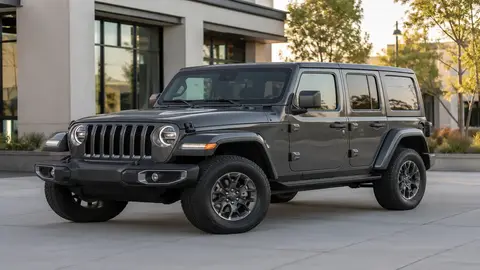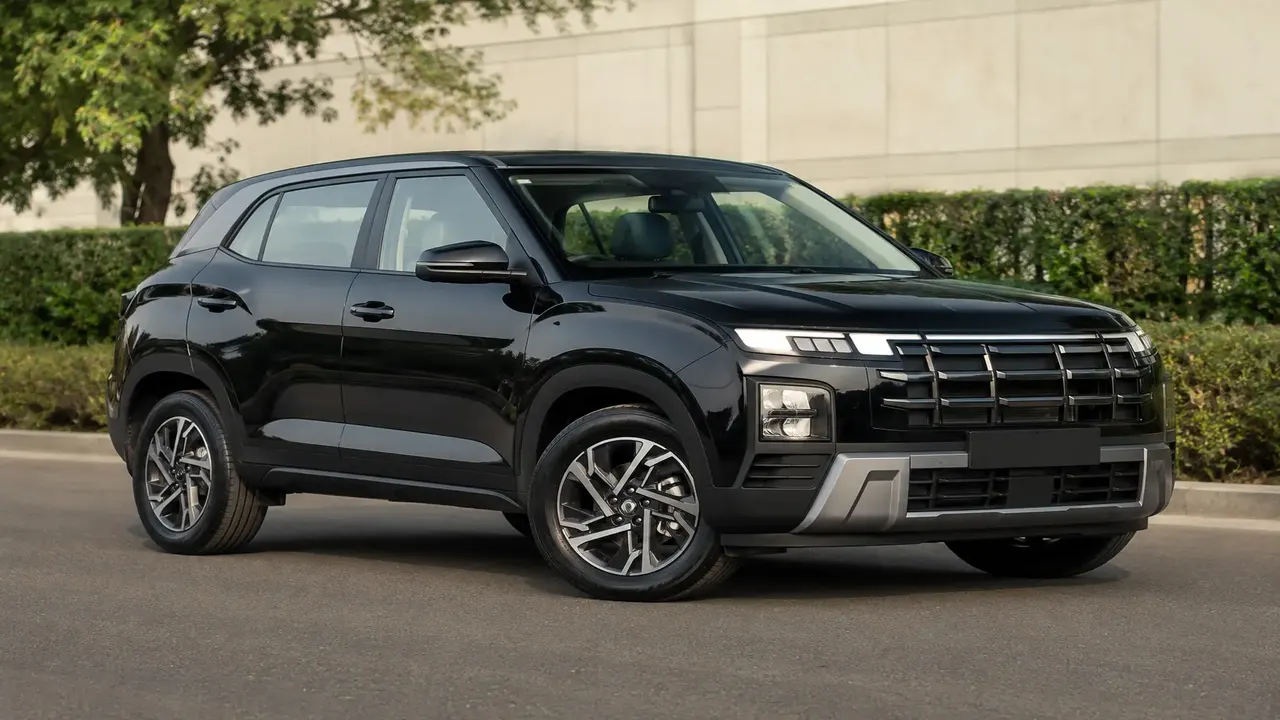
A salvage title vehicle cannot be insured at all while it holds a salvage title — it is legally not roadworthy. Once repaired and re-inspected, it becomes a rebuilt title — at which point liability coverage is available from most insurers, but full coverage (comprehensive + collision) is harder to get and costs 20–40% more than equivalent clean-title rates. State Farm, GEICO, USAA, Progressive and Allstate are among the carriers that will offer some level of rebuilt-title coverage, but you must document the repairs thoroughly.
True Motion Auto collects and presents information from official and primary sources (regulators, government bodies, lenders and insurers' published terms). This is general information, not personalised financial advice — check figures with the provider or a qualified adviser before acting. Jurisdiction: US. Last checked: August 2026.
Editorial oversight: Vasudha Gupta, Editor.
Salvage vs rebuilt title insurance: key differences
| Title status | Can you legally drive it? | Insurance available | Typical cost vs clean title |
|---|---|---|---|
| Salvage title | No — not roadworthy | None — cannot be insured | N/A |
| Rebuilt title (post-inspection) | Yes | Liability: most insurers; Full coverage: select carriers | +20–40% vs clean title |
| Clean title | Yes | All coverage types, all carriers | Baseline |
What is a salvage title and how does a car get one?
When an insurer pays out a total-loss claim — typically when repair costs exceed 70–80% of the car's actual cash value, depending on the state — it takes ownership of the vehicle and the title is redesignated as 'salvage.' A salvage title tells the world: this car was severely damaged and written off. The vehicle cannot be registered for road use in this state.
Salvage vehicles are usually sold at auction to dealers, body shops or private buyers who intend to repair and resell them. The bargain purchase price reflects the title penalty — but that penalty doesn't go away even after repairs.
The rebuilt title: what it means for insurance
After a salvage vehicle is repaired, it must pass a state inspection (requirements vary by state) confirming it is roadworthy. Once it passes, the state issues a rebuilt title — also sometimes called a 'rebuilt salvage' or 'reconstructed' title. The vehicle is now legal to drive and insure, but the rebuilt designation follows it permanently.
Most standard insurers will sell you liability coverage on a rebuilt-title car with no major obstacle — you need liability to register the car, and insurers generally provide it. The challenge is getting full coverage (comprehensive and collision), which pays to repair your own vehicle:
- Many insurers refuse full coverage on rebuilt titles — because the pre-damage value is impossible to assess accurately, they can't price the risk.
- Carriers that will offer full coverage include State Farm, GEICO, USAA, Progressive and Allstate — but each has its own conditions.
- Documentation is non-negotiable: expect to provide a state inspection certificate, detailed itemised repair records, photos and a mechanic's roadworthiness statement.
- An in-person inspection by the insurer's adjuster may be required before they bind full coverage.
How much more does rebuilt-title insurance cost?
Rebuilt-title policies typically cost 20–40% more than a comparable clean-title vehicle at the same carrier. The premium uplift reflects two risks: higher uncertainty about the vehicle's structural integrity after a major repair, and the likelihood that a future total-loss payout will be lower (because rebuilt-title cars have lower actual cash values), making the insurer's exposure harder to model.
If a rebuilt-title car is totalled, its rebuilt status dramatically reduces the payout — insurers value rebuilt-title cars at a steep discount to equivalent clean-title vehicles (often 20–50% less). Make sure you understand the likely payout before insuring a rebuilt-title car for full coverage; the premium may not be worth it relative to the actual cash value you'd receive.
What to check before buying a salvage or rebuilt-title car
- Run a VIN history report (Carfax, AutoCheck) to understand what damage caused the salvage designation.
- Get a pre-purchase inspection from an independent mechanic — not the seller's.
- Call several insurers before you buy to confirm you can get the coverage you want at an acceptable price.
- Check your state's rebuilt-title inspection requirements — some states have more rigorous inspections than others.
- Check how the rebuilt title affects financing: most lenders won't finance rebuilt-title vehicles, so you'll likely need to pay cash.
Financing and resale impact
Beyond insurance, a rebuilt title creates two practical challenges: most banks and credit unions won't lend on rebuilt-title vehicles (cash purchase is often the only route), and resale value is permanently impaired — typically 20–50% below a clean-title equivalent. This affects the wisdom of insuring for full coverage: if you paid $12,000 for a rebuilt-title car with a clean-title market value of $20,000, your total-loss payout might be $9,000–$10,000. Decide whether premiums for full coverage make sense against that expected payout.
Frequently asked questions
Can you insure a salvage title car?
Can you get full coverage on a rebuilt title car?
How much more expensive is insurance on a rebuilt title?
If a rebuilt-title car is totalled, what do I get?
Does a rebuilt title affect financing?
Sources & further reading
- WalletHub — Rebuilt Title Insurance Guide 2026
- MoneyGeek — Can I Insure a Car With a Salvage or Rebuilt Title?
- Progressive — Insurance on a Salvage Title Car
Figures, prices and policy details were current at the last-updated date above. Automotive pricing, incentives and regulations change frequently — verify time-sensitive details with the linked primary sources. Read our editorial policy and fact-checking standards.