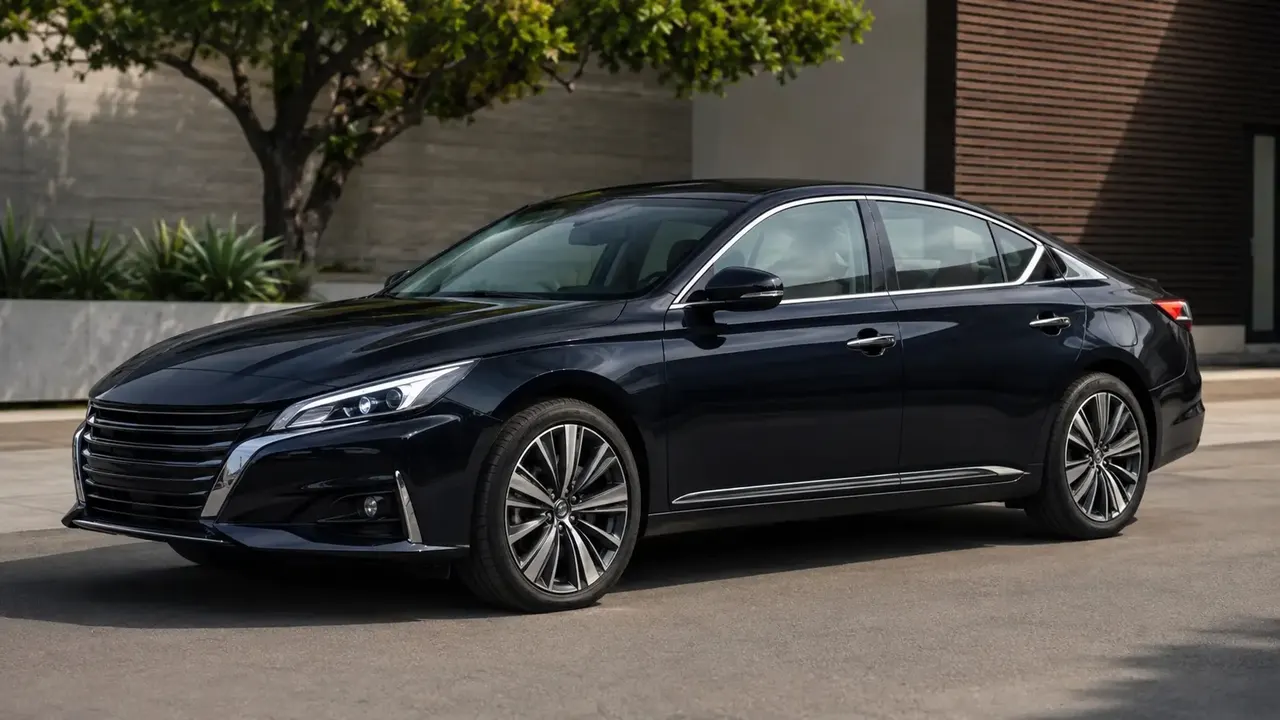
When your car is declared a total loss, the insurer pays its actual cash value (ACV) — the market value immediately before the accident — minus your deductible. ACV is calculated from comparable local listings, mileage, condition, options and depreciation. You can negotiate: get three comparable listings, a pre-accident service history, and any recent upgrades, then submit them in writing. The first offer is rarely the final one.
Total loss valuation: key facts
| Factor | Detail |
|---|---|
| What triggers total loss | Repair cost exceeds 65–100% of ACV (varies by state/country) |
| ACV definition | Market value of the vehicle immediately before the accident |
| Deductible | Subtracted from ACV; you receive ACV − deductible |
| Gap insurance | Covers loan/lease balance above ACV if applicable |
| Negotiation window | Before signing the settlement release — after signing, the claim is closed |
| Appraisal clause | Many US policies let both parties hire independent appraisers to resolve disputes |
What 'total loss' means
A vehicle is declared a total loss (write-off in the UK) when the cost to repair it exceeds a percentage of its ACV, or when the vehicle cannot be safely repaired at all. The exact threshold varies: some US states use a fixed percentage (Florida: 80%, Texas: actual cost vs ACV), others leave it to insurer discretion. The UK uses four categories (A through N/S and D) based on repairability and structural safety.
How insurers calculate ACV
ACV is not the price you paid, not what you owe, and not what you could sell it for in a private sale at your asking price. It is the fair market value of an equivalent vehicle in the same condition, in your local market, the day before the loss. Insurers typically build this figure from:
- Comparable listings: actual selling prices (not asking prices) of similar vehicles — same make, model, year, trim, mileage — within a reasonable radius, usually 50–100 miles.
- Third-party valuation tools: CCC One, Audatex/Solera, and Mitchell are the dominant platforms used by US insurers. They aggregate dealer, auction and private-party data.
- Condition adjustment: the adjuster grades your vehicle on a scale (poor/fair/good/excellent) and applies adjustments. A well-documented service history can move condition upward.
- Options and equipment: non-standard features (tow package, premium sound, aftermarket upgrades) may or may not be captured accurately.
- Regional market: local supply and demand affect price; the same car is worth more in a rural market with few comparables than in a major metro with many.
How to challenge a low ACV offer
The insurer's first offer is a starting point. Here is how to build a counter:
- Ask for the written valuation report — you are entitled to see it. Check the comparable vehicles used: do they match your trim level, mileage and condition? Are any listings from different regions with different market values?
- Find three or more comparable listings yourself from Autotrader, Cars.com, KBB, or local dealers. Print them with prices, dates and specifications.
- Gather your service history — a full dealer service record or documented maintenance indicates above-average condition.
- List any recent improvements: new tyres, a timing belt replacement, or a new battery all have cash value that may not have been captured.
- Submit everything in a single written counter-offer, specifying the ACV you are claiming and the evidence supporting it.
- If you cannot agree, invoke the appraisal clause (US) — both sides appoint an appraiser and agree on an umpire. The majority decision is binding and avoids litigation.
Once you sign over the title and cash the settlement cheque, you have accepted the offer. The claim is closed. Negotiate fully before taking that step.
Gap insurance: when the ACV is not enough
New cars depreciate by 15–25% in the first year. If you financed your car, it is likely worth less than the loan balance early in the term. Gap insurance pays the difference between the ACV payout and what you still owe the lender. Without it, you could receive a cheque from your insurer and still owe thousands to a finance company — for a car you no longer have.
UK write-off categories
UK insurers classify total losses into four categories. Category A and B vehicles are scrapped; Category S (previously C) is structurally damaged but can be repaired and returned to the road with a new title record; Category N (previously D) has no structural damage but may have cosmetic or electrical issues. Buying a Cat S or Cat N vehicle costs less but affects resale value — always check the DVLA/HPI record before purchasing a used car.
Keeping a total-loss vehicle (salvage retention)
In some US states you can buy back your totalled vehicle from the insurer at the salvage value. The insurer deducts salvage value from the ACV and pays you the difference. The car receives a salvage title, which limits resale and may prevent you from insuring it for full value. This makes sense only if the car is genuinely repairable and you have the resources to do it.
Frequently asked questions
How is ACV different from replacement cost?
Can I keep my totalled car?
What if I owe more than the insurer pays?
Can the insurer's ACV offer be wrong?
How long does a total loss settlement take?
Sources & further reading
- Kelley Blue Book — Actual Cash Value
- MoneyGeek — Total Loss Car Insurance 2026
- WalletHub — Total Loss Threshold by State 2026
Figures, prices and policy details were current at the last-updated date above. Automotive pricing, incentives and regulations change frequently — verify time-sensitive details with the linked primary sources. Read our editorial policy and fact-checking standards.