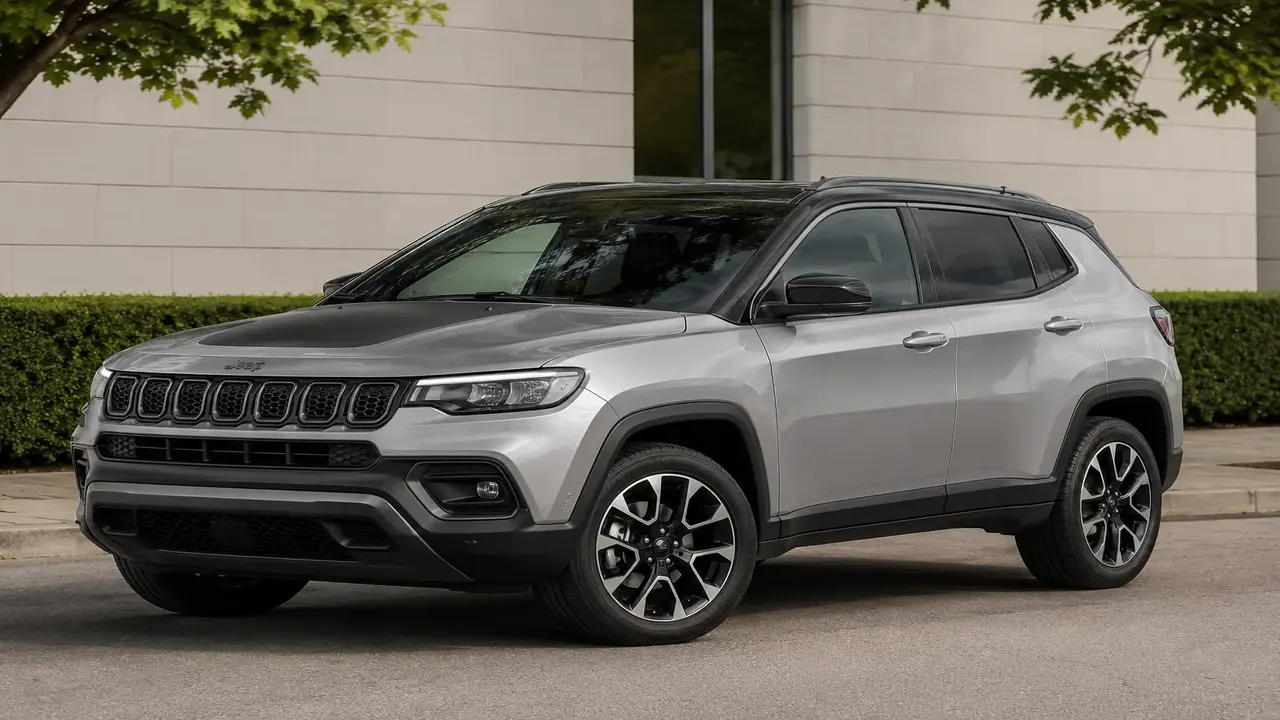
The best times to switch: at renewal (always shop 3–4 weeks before expiry), after a life event (move, marriage, new vehicle), or if your premium has jumped more than 15–20% with no new claims. Never cancel your current policy before a new one is active — a single day's gap in cover is a legal problem in most jurisdictions and marks you as a higher-risk driver for future quotes.
True Motion Auto collects and presents information from official and primary sources (regulators, government bodies, lenders and insurers' published terms). This is general information, not personalised financial advice — check figures with the provider or a qualified adviser before acting. Jurisdiction: General — check your jurisdiction. Last checked: August 2026.
Editorial oversight: Vasudha Gupta, Editor.
When switching makes sense
| Trigger | Typical saving potential | Notes |
|---|---|---|
| Annual renewal — market has moved | 10–30% | Most common; shop every year |
| Premium spike with no new claims | 15–25%+ | Common after insurer reweighting |
| You moved to a new area | Varies widely | Risk profile changes with postcode/ZIP |
| Added a young driver | Worth comparing | Some insurers price young drivers better than others |
| Car changed (new/old/modified) | Worth comparing | Group rating varies dramatically by insurer |
| Bundling home + auto | 5–25% | Switching both to one insurer can unlock bundling discount |
The renewal window: start earlier than you think
In most markets, insurers auto-renew your policy and notify you 21–30 days before the expiry date. This is when the market is most competitive for you — you have leverage. Research shows that drivers who compare at renewal save more than those who stay. In the UK, FCA rules now require renewal quotes to show the equivalent new-customer price alongside your renewal offer — if yours has gone up, you have a clear signal to shop around.
Start shopping 3–4 weeks before your renewal date. This gives you time to compare, ask questions and transfer your no-claims evidence without rushing.
Life events that justify an immediate switch
- Moving home: your postcode or ZIP code is one of the biggest pricing variables. A cheaper area can produce an immediate premium reduction. Always update your insurer — failing to do so can invalidate your policy.
- Getting married or entering a domestic partnership: most insurers charge less for married drivers; switching at this point can lock in the change more cheaply than waiting.
- Buying or changing your car: a new-to-you vehicle is a natural switching point. Your existing insurer will price the new car, but competitors might do it better.
- Adding or removing a driver: a teenage driver added to a policy can spike the premium by 50–100% or more. Shop widely — insurer pricing for young drivers varies enormously.
When your premium jumps for no clear reason
Insurers regularly reprice entire books of business based on claims trends in your area, inflation in repair costs, or internal modelling changes. A 15–20% premium hike at renewal with no new claims on your part is a strong signal to shop. UK and US data consistently show that long-term customers pay more than new ones — loyalty is not rewarded in this market.
How to switch without a coverage gap
- Get your new policy confirmed and documents received before cancelling your old one.
- Set the new policy start date for the day after your old policy expires — not before.
- Cancel the old policy in writing and get confirmation of the cancellation date and any refund due.
- Transfer your no-claims certificate to the new insurer (UK) or provide proof of prior insurance (US).
- Update your direct debit / payment method with the new insurer.
Do not cancel your old policy mid-term to save money before your new policy starts. Even one day without insurance is illegal to drive on in most jurisdictions, and a lapse in cover raises your premiums for years.
Mid-term switches: is it worth it?
Switching mid-term usually means paying a cancellation fee (UK insurers commonly charge £25–£75; US and Indian insurers vary). You may also lose any loyalty discounts or no-claims progression for that year. Unless the saving is substantial (20%+ of the remaining annual premium), it's usually cleaner to set a reminder for the renewal date and switch then.
What to watch for at your new insurer
- Introductory-year pricing: some insurers offer very cheap first-year premiums, then hike at renewal. Note your renewal date and re-compare.
- No-claims discount recognition: confirm your new insurer accepts the years of NCB from your certificate.
- Coverage equivalence: verify the new policy matches or betters the coverage you had — don't inadvertently drop comprehensive to collision-only.
Frequently asked questions
Can I switch car insurance at any time?
Will I lose my no-claims bonus if I switch?
How much can I realistically save by switching?
Does switching affect my credit score?
Can I switch if I have a claim in progress?
Sources & further reading
Figures, prices and policy details were current at the last-updated date above. Automotive pricing, incentives and regulations change frequently — verify time-sensitive details with the linked primary sources. Read our editorial policy and fact-checking standards.