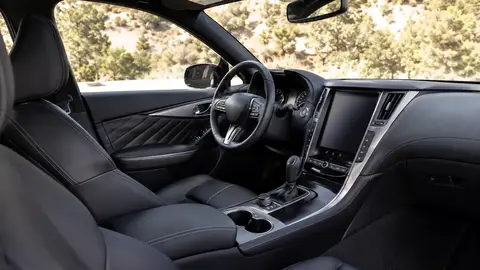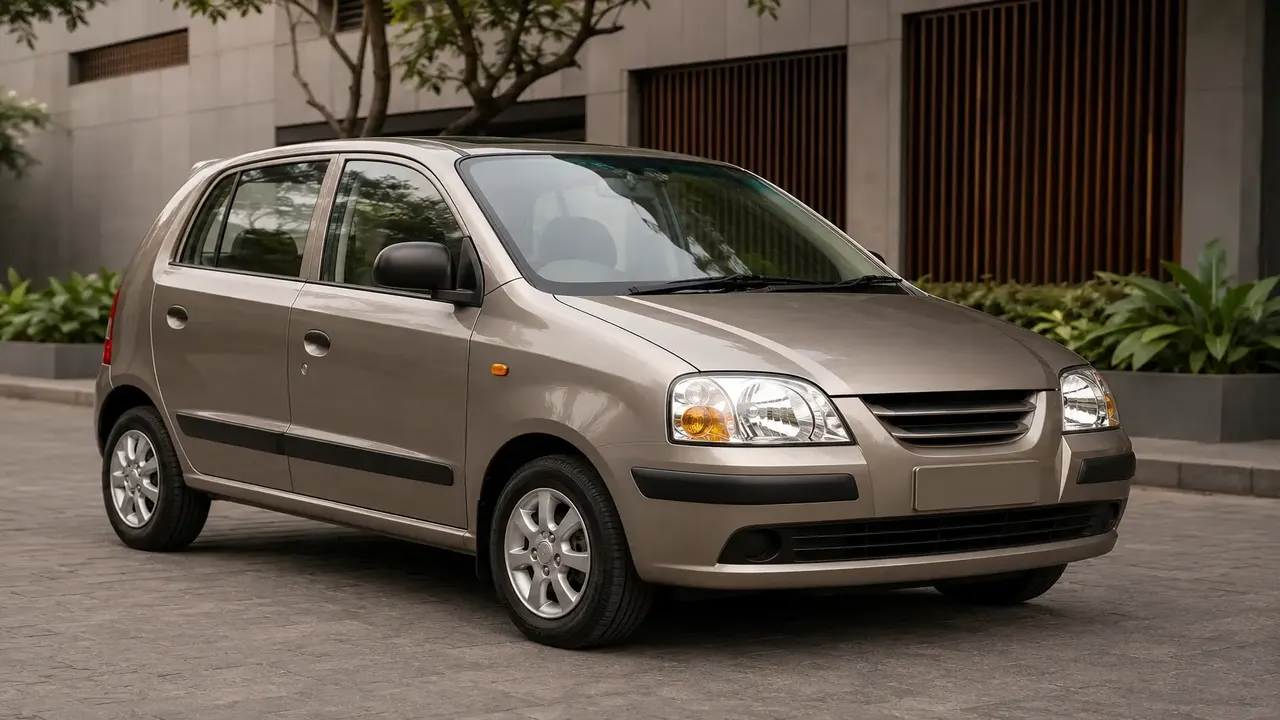
Hyundai and Kia are sister brands under the same parent group, sharing many platforms, engines and safety architecture, so equivalent models (like the Hyundai Tucson and Kia Sportage) are mechanically very similar. The real differences come down to styling, interior design language, brand positioning and warranty/dealer terms in your specific market, rather than a meaningful gap in underlying reliability or engineering — both brands typically offer warranties in the 5-7 year range depending on region.
At a glance
| Aspect | Hyundai vs Kia comparison |
|---|---|
| Platform sharing | Common across many equivalent models (e.g. Tucson/Sportage, i10/Picanto) |
| Styling direction | Hyundai: more understated/tech-forward; Kia: bolder, sportier design language |
| Warranty (varies by market) | Typically 5-7 years across both brands |
| Price positioning | Broadly similar; specific model/trim pricing varies by market |
| Reliability reputation | Broadly comparable — both consistently rank well in owner satisfaction surveys |
Why Hyundai and Kia are so similar under the skin
Kia and Hyundai are both part of the same automotive group, and many equivalent models share a platform, engine range and core safety architecture. This is why direct siblings — the Hyundai Tucson and Kia Sportage, or the Hyundai i10 and Kia Picanto — offer very similar dimensions, crash-test performance and mechanical reliability, even though they look and feel quite different inside and out.
Where the brands genuinely differ
- Design language — Kia has generally pursued a bolder, more distinctive styling direction in recent years, while Hyundai has leaned toward a cleaner, more tech-forward aesthetic.
- Interior character — even on shared platforms, the two brands tune dashboard layout, materials and infotainment software differently, giving each a distinct in-cabin feel.
- Model range emphasis — the brands sometimes prioritise different segments or body styles first for new technology rollouts (e.g. hybrid or EV variants), so availability timing can differ.
- Dealer network and local pricing — this varies significantly by country and can be a bigger practical differentiator than any underlying engineering difference.
Sibling model pairs worth comparing directly
| Segment | Hyundai model | Kia sibling |
|---|---|---|
| City car | i10 | Picanto |
| Compact SUV | Kona | Seltos/Sonet (market-dependent) |
| Midsize SUV | Tucson | Sportage |
| Electric compact | Kona Electric/Ioniq range | EV3/Niro EV range |
How to actually choose between them
- Compare the exact equivalent models side by side on real pricing and available trims in your market, rather than comparing brand reputation in the abstract.
- Sit in both to judge which interior layout and infotainment system you personally find easier to use — this is often the biggest day-to-day difference.
- Check local warranty terms carefully, since coverage length and conditions can vary by country even for the same underlying mechanical warranty policy.
- Compare local resale value trends for your specific models, since this can differ by market even when the underlying cars are mechanically near-identical.
Don't assume identical mechanicals mean identical ownership costs.
Who leans toward Hyundai, and who leans toward Kia
Buyers who prefer a more restrained, tech-forward design and cabin feel often lean Hyundai; buyers wanting bolder, more distinctive styling and a sportier cabin character often lean Kia. Neither is a meaningfully "safer" or "more reliable" choice in general — the decision usually comes down to design preference, specific trim/feature availability, and local pricing and dealer experience.
Frequently asked questions
Is Kia or Hyundai more reliable?
Do Hyundai and Kia share the same warranty?
Why do Hyundai and Kia models look and feel so different if they share platforms?
Which is cheaper, Hyundai or Kia?
Sources & further reading
Figures, prices and policy details were current at the last-updated date above. Automotive pricing, incentives and regulations change frequently — verify time-sensitive details with the linked primary sources. Read our editorial policy and fact-checking standards.