Seltos and Creta share a platform and much of their engine range under the Hyundai-Kia umbrella, so the practical differences come down to styling, interior layout, and market-specific trim choices rather than fundamentally different engineering. Both are typically offered with a choice of naturally aspirated and turbo-petrol engines (roughly 1.5L-1.6L displacement) plus, in several markets, a diesel option, with manual, torque-converter automatic, CVT, or dual-clutch gearboxes depending on region. Pricing bands track closely between the two in any given market, generally landing in the compact-SUV middle tier — below premium crossovers, above budget hatchback-based SUVs.
At a glance: Kia Seltos vs Hyundai Creta
| Factor | Kia Seltos | Hyundai Creta |
|---|---|---|
| Segment | Compact SUV | Compact SUV |
| Platform | Shared Hyundai-Kia B-segment SUV platform | Shared Hyundai-Kia B-segment SUV platform |
| Styling | Sharper, more angular 'tiger nose' Kia design language | Rounder, family-friendly Hyundai design language |
| Typical engines | 1.5L petrol, turbo-petrol, diesel where offered | 1.5L petrol, turbo-petrol, diesel where offered |
| Interior tech | Comparable touchscreen/connected-car suites, market dependent | Comparable touchscreen/connected-car suites, market dependent |
| Target buyer | Slightly younger/design-led buyer | Slightly more mainstream/family buyer |
Same bones, different skin
Kia and Hyundai are corporate siblings, and the Seltos and Creta are the clearest example of platform-sharing in their lineup: similar wheelbase, similar suspension tuning philosophy, and largely overlapping engine and transmission choices in most markets where both are sold. The real decision usually isn't about which is objectively 'better' mechanically — it's about styling preference, dealer network proximity, and which brand's specific trim/feature bundle fits your budget.
Styling and interior feel
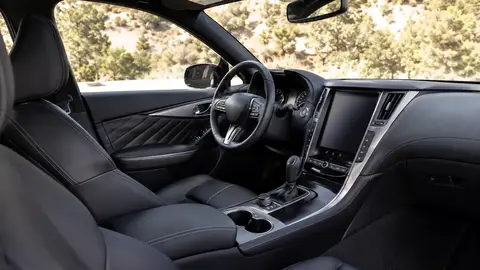
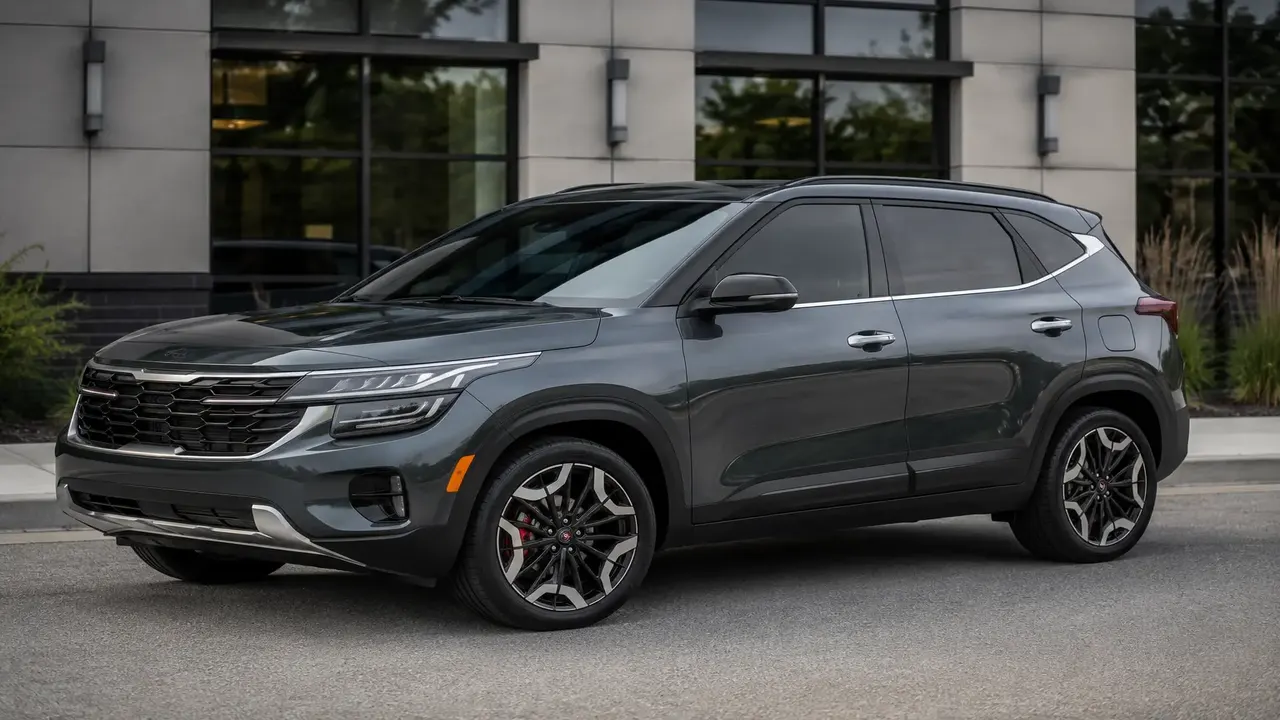
Seltos generally wears Kia's sharper, more angular design language with a bolder grille and creased body lines, aimed at a slightly younger, design-conscious buyer. Creta leans into Hyundai's smoother, rounder surfacing that reads as more conservative and family-oriented. Inside, both offer twin-screen dashboard layouts on higher trims in most markets, broadly comparable cabin space for the segment, and similar rear-seat legroom given the shared wheelbase.
Engines and drivetrains
Both are typically sold with a base naturally aspirated petrol engine around 1.5L for value-focused buyers, and a smaller-displacement turbo-petrol for those wanting more mid-range punch. Where local emissions rules and demand support it, a diesel option has historically been offered on both. Transmission choices mirror each other closely: manual on base trims, and a torque-converter automatic, CVT, or dual-clutch automatic on higher trims depending on market and engine pairing.
Ride, handling and daily use
Because of the shared platform, ride quality and handling character are close, though Kia and Hyundai each apply their own suspension tuning, which owners and reviewers in most markets describe as a genuinely noticeable — if subtle — difference: Kia's tune often skews slightly firmer/sportier, Hyundai's slightly softer/more comfort-biased. Neither is a driver's car in the enthusiast sense; both prioritize a comfortable, easy-to-place compact-SUV driving position with reasonable visibility.
Value, warranty and running costs
Pricing between the two tracks closely trim-for-trim in most markets, so cross-shopping usually comes down to which brand is running better local incentives or lease/finance terms at the time of purchase. Kia has built a reputation in many markets for slightly longer standard warranties than mainstream rivals — verify the specific term offered in your market, as coverage varies by country. Running costs (fuel, insurance, parts, service intervals) are broadly comparable given the shared mechanicals; dealer network density in your area is often the more practical differentiator for long-term ownership.
Which one to pick
If styling and a firmer, sportier ride matter more to you, the Seltos usually wins the showroom comparison. If you prefer a softer ride and a more conservative look that will age well for a broad range of family buyers, the Creta typically edges it. Given how closely matched the underlying engineering is, test-driving both back-to-back and comparing your specific market's pricing/incentives will tell you more than any spec sheet.
Frequently asked questions
Are the Kia Seltos and Hyundai Creta basically the same car?
Which has better fuel economy, Seltos or Creta?
Does the Creta or Seltos have more back-seat space?
Which is cheaper to maintain, Seltos or Creta?
Is a diesel engine available on the Seltos or Creta?
Sources & further reading
- Global NCAP — vehicle safety ratings
- Society of Indian Automobile Manufacturers (SIAM) — industry data
Figures, prices and policy details were current at the last-updated date above. Automotive pricing, incentives and regulations change frequently — verify time-sensitive details with the linked primary sources. Read our editorial policy and fact-checking standards.