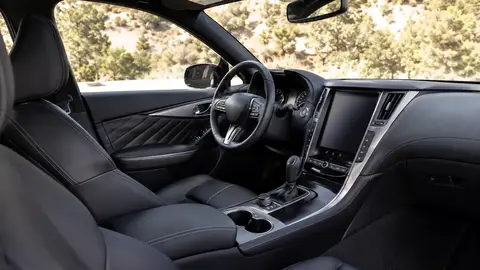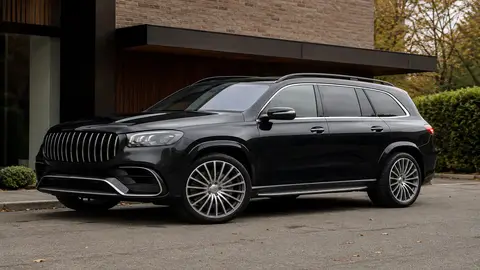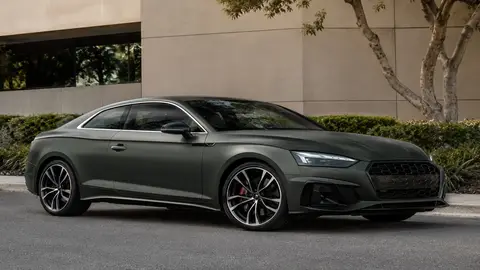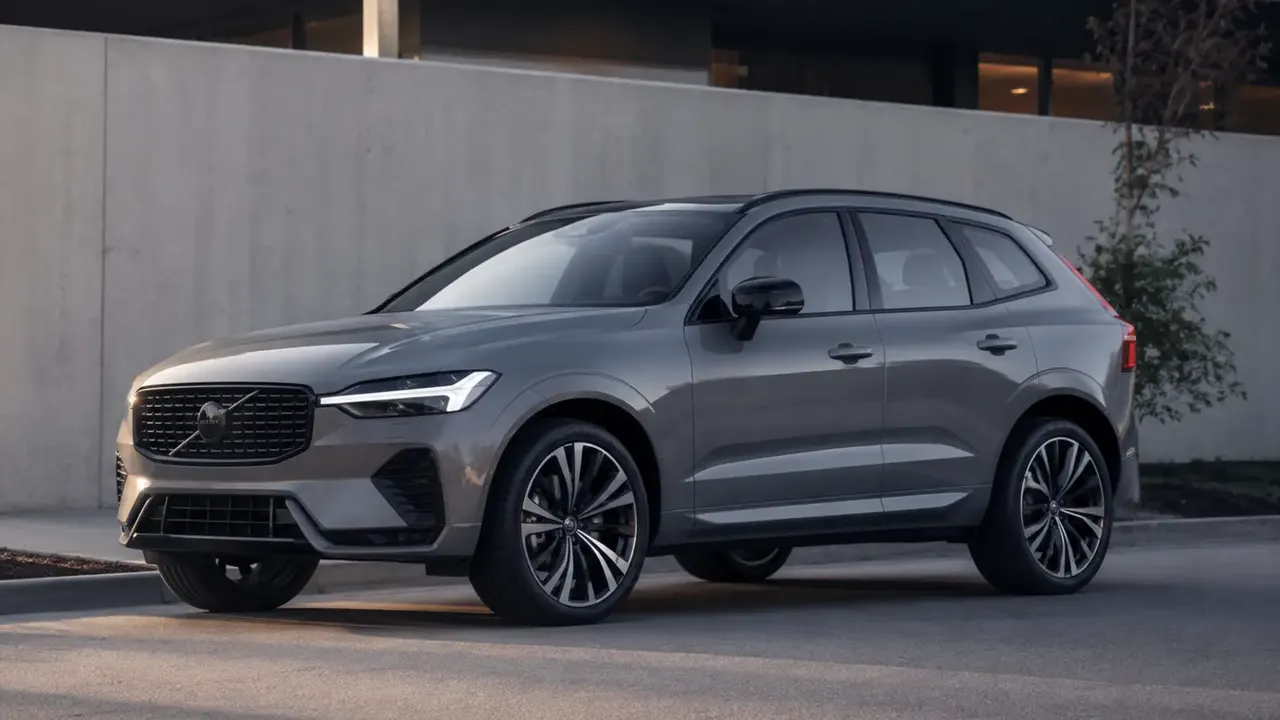
Compact SUVs (roughly the size of a small hatchback on stilts) prioritize efficiency and easy parking, typically seating five with modest cargo space. Crossover SUVs — the largest and most varied group — use car-like unibody construction across small-to-midsize sizes, balancing space, ride comfort, and (often) available all-wheel drive. Full-size SUVs, often body-on-frame and truck-based, offer the most passenger and towing capacity, commonly seating 7-8 with real towing capability. Dedicated off-road SUVs prioritize trail capability (low-range 4x4, solid axles or heavy-duty suspension) over on-road refinement or fuel economy.
At a glance: SUV types compared
| Type | Typical construction | Best suited to |
|---|---|---|
| Compact SUV | Unibody | City/commuter use, easy parking, good efficiency |
| Crossover SUV | Unibody | Family use, balance of space, comfort, and available AWD |
| Full-size SUV | Often body-on-frame (truck-based) | Large families, serious towing, maximum passenger/cargo space |
| Off-road SUV | Body-on-frame or reinforced unibody | Trail driving, low-range 4x4 needs, rugged use |
Why 'SUV' stopped meaning one thing
The SUV category has expanded so much that a compact crossover and a full-size, truck-based SUV now have little in common beyond a raised ride height and a hatchback-style rear cargo area. Understanding the four broad sub-types — compact, crossover, full-size, and dedicated off-road — makes cross-shopping far more useful than comparing by badge or vague size description alone.
Compact SUVs
Compact SUVs are built on car-like unibody platforms, often sharing underpinnings with a compact car or hatchback from the same manufacturer. They prioritize fuel efficiency, a smaller footprint for city parking, and a lower purchase price, at the cost of reduced cargo space and towing capability compared to larger SUV types. This is typically the best-selling SUV segment in most markets because it fits the broadest range of budgets and use cases.
Crossover SUVs
'Crossover' technically describes any unibody SUV, but in practice it's often used for the broad middle ground between compact and full-size — vehicles that balance passenger space, ride comfort, and available all-wheel drive without the fuel and parking penalties of a full-size, truck-based SUV. This is the largest and most diverse sub-category, spanning small 5-seaters up to 3-row family crossovers.
Full-size SUVs
Full-size SUVs are frequently built on truck platforms (body-on-frame construction shared with pickup trucks from the same manufacturer), giving them the strongest towing and payload capability and typically the most third-row passenger space of any SUV type — commonly seating 7-8. The trade-offs are a larger footprint, worse fuel economy, and higher purchase price than smaller SUV types.
Off-road SUVs
Dedicated off-road SUVs prioritize trail capability above all else: low-range 4x4 transfer cases, solid or reinforced axles, locking differentials on higher trims, and aggressive approach/departure angles. This focus generally comes at the cost of on-road ride comfort, fuel economy, and sometimes interior refinement compared to crossover SUVs of similar size — a genuine trade-off, not just marketing, since the mechanical choices that help on rocky trails (solid axles, tall ground clearance) work against comfortable pavement driving.
Mistakes to avoid when choosing a type
- Buying a dedicated off-road SUV for pure city/highway use — you'll pay a real comfort and fuel-economy penalty for capability you won't use.
- Assuming any 'SUV' can tow a heavy trailer — towing capacity varies enormously between compact crossovers and full-size, truck-based SUVs.
- Overlooking third-row usability in crossover-based 3-row SUVs — it's often tighter than in full-size or minivan alternatives.
- Choosing based on size alone without checking whether the platform is unibody (car-like ride) or body-on-frame (truck-like ride and capability).
Which type fits which buyer
Choose compact if efficiency, price, and easy parking matter most and you don't need serious cargo or towing capacity. Choose crossover if you want the broadest balance of space, comfort, and available AWD for typical family and commuter use. Choose full-size if you need maximum passenger count, cargo space, or towing capability. Choose a dedicated off-road SUV only if you'll genuinely use its trail capability regularly — otherwise a crossover with available AWD covers most light-duty needs with better on-road manners.
Frequently asked questions
What's the real difference between a crossover and an SUV?
Which SUV type is best for towing a trailer?
Do off-road SUVs make good daily drivers?
Which SUV type gets the best fuel economy?
Is a 3-row crossover as spacious as a full-size SUV?
Sources & further reading
Figures, prices and policy details were current at the last-updated date above. Automotive pricing, incentives and regulations change frequently — verify time-sensitive details with the linked primary sources. Read our editorial policy and fact-checking standards.