Note: costs mentioned below are given in US dollars as a general point of reference — actual prices vary by country, currency, and local market.
Family MPVs/people carriers generally split into three tiers: compact MPVs (5-7 seats, car-like footprint), full-size minivans (7-8 seats, sliding doors, maximum interior flexibility), and 3-row crossover/SUV alternatives that trade some interior space for a more rugged look and often better resale. Minivans still offer the most usable third-row space and the easiest access via sliding doors, typically seating 7-8 people with real adult-usable third rows. Prices for family-focused 7-seaters commonly start around $30,000-$35,000 and climb well past $50,000 for top trims with rear entertainment and advanced driver-assist packages.
At a glance: MPVs and people carriers compared
| Type | Typical seating | Strengths | Trade-offs |
|---|---|---|---|
| Compact MPV | 5-7 | Smaller footprint, easier to park | Tighter third row if present |
| Full-size minivan | 7-8 | Sliding doors, flattest floor, best 3rd-row space | Less rugged image, no real off-road ability |
| 3-row crossover/SUV | 6-7 | More stylish, often better resale, available AWD | Third row usually tightest of the three; less cargo behind row 3 |
Why the minivan still wins on pure practicality
Full-size minivans remain the practicality benchmark for large families: sliding rear doors make loading car seats and kids easier in tight parking spaces, the floor is flat for easy movement between rows, and the third row in most modern minivans is genuinely usable by adults for real trips, not just short hops. Fold-flat or removable second/third-row seats also give minivans some of the best outright cargo volume in the family-vehicle world.
Compact MPVs: the in-between option
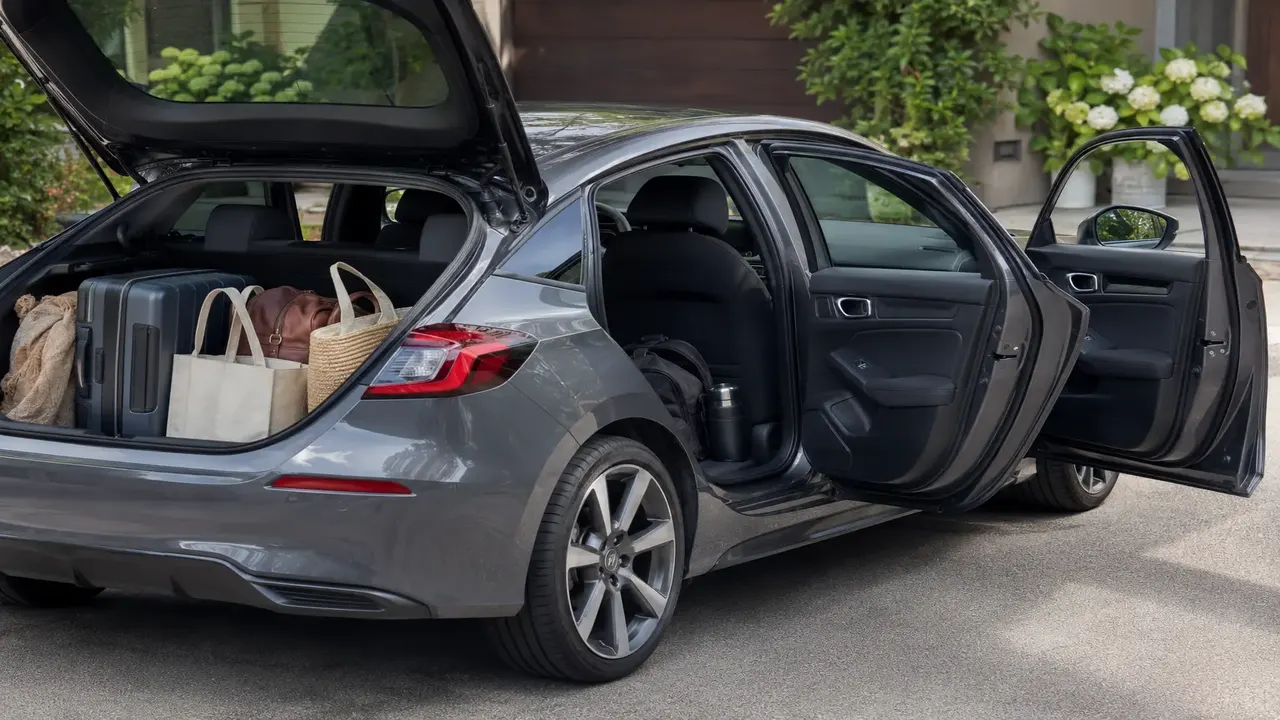
Compact MPVs (common in European and Asian markets, less so in North America) fit a taller, boxier body onto a smaller footprint than a minivan, prioritizing everyday parking and maneuverability over outright third-row space. Many seat five comfortably with genuine flexibility for cargo; some stretch to a tight 7-seat configuration better suited to occasional use or children than regular adult carrying.
3-row crossovers/SUVs: style over ultimate space
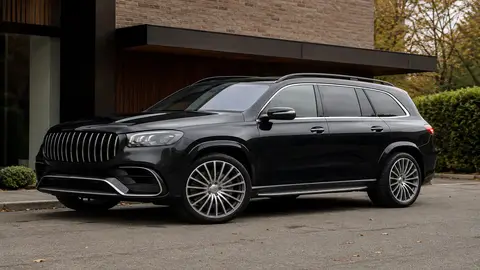
Three-row crossovers and SUVs have taken significant market share from minivans in several markets because they look more rugged, often offer optional all-wheel drive, and typically hold resale value better. The trade-off is real: third rows on most crossover-based 3-row SUVs are noticeably tighter than a minivan's, and cargo space behind a full third row shrinks to a small amount — often barely enough for a couple of backpacks.
Comparing running costs and safety
Minivans and MPVs generally deliver better fuel economy than similarly sized 3-row SUVs because of lower ride height and better aerodynamics, though the gap has narrowed as SUV platforms improve. All three types now commonly offer strong standard driver-assist suites (automatic emergency braking, blind-spot monitoring, rear cross-traffic alert) on mid-to-upper trims — worth cross-checking trim-by-trim since 'family vehicle' doesn't automatically mean every safety feature is standard on the base model.
Mistakes to avoid when choosing
- Buying based on total seat count alone without sitting in the actual third row as an adult — 'seats 7' varies wildly in real comfort.
- Overlooking sliding-door width and step-in height if you regularly load young kids or car seats in tight parking spots.
- Assuming an SUV badge means more interior space than a minivan — it usually means less, especially in the third row and behind it.
- Skipping a real-world cargo test: fold the seats down (or check specs) with your actual stroller/luggage/sports gear in mind.
Which type fits which family
Choose a full-size minivan if you regularly carry a full complement of passengers, need the easiest possible loading via sliding doors, or frequently need maximum cargo with seats folded. Choose a compact MPV if your family is smaller or the third row is occasional-use only and you want a more manageable footprint. Choose a 3-row crossover/SUV if styling, optional all-wheel drive, and stronger resale value matter more to you than outright third-row space and sliding-door convenience.
Frequently asked questions
Are minivans more practical than 3-row SUVs for families?
Do MPVs get better gas mileage than SUVs?
How many people can actually fit comfortably in a minivan's third row?
Is a 3-row SUV worth it over a minivan for resale value?
What's the difference between a compact MPV and a full-size minivan?
Sources & further reading
Figures, prices and policy details were current at the last-updated date above. Automotive pricing, incentives and regulations change frequently — verify time-sensitive details with the linked primary sources. Read our editorial policy and fact-checking standards.