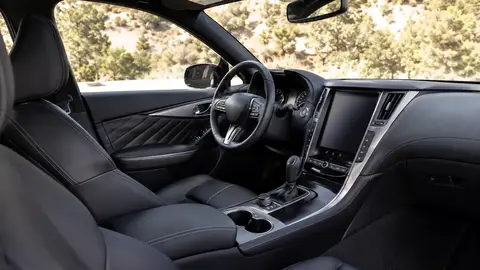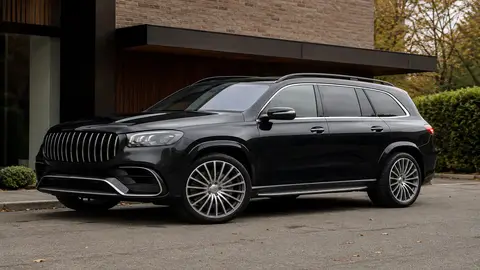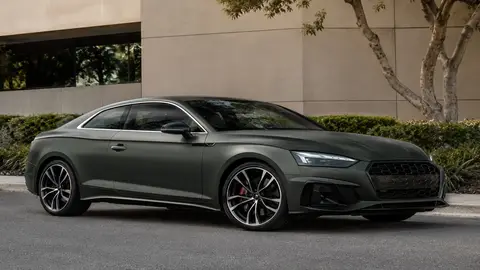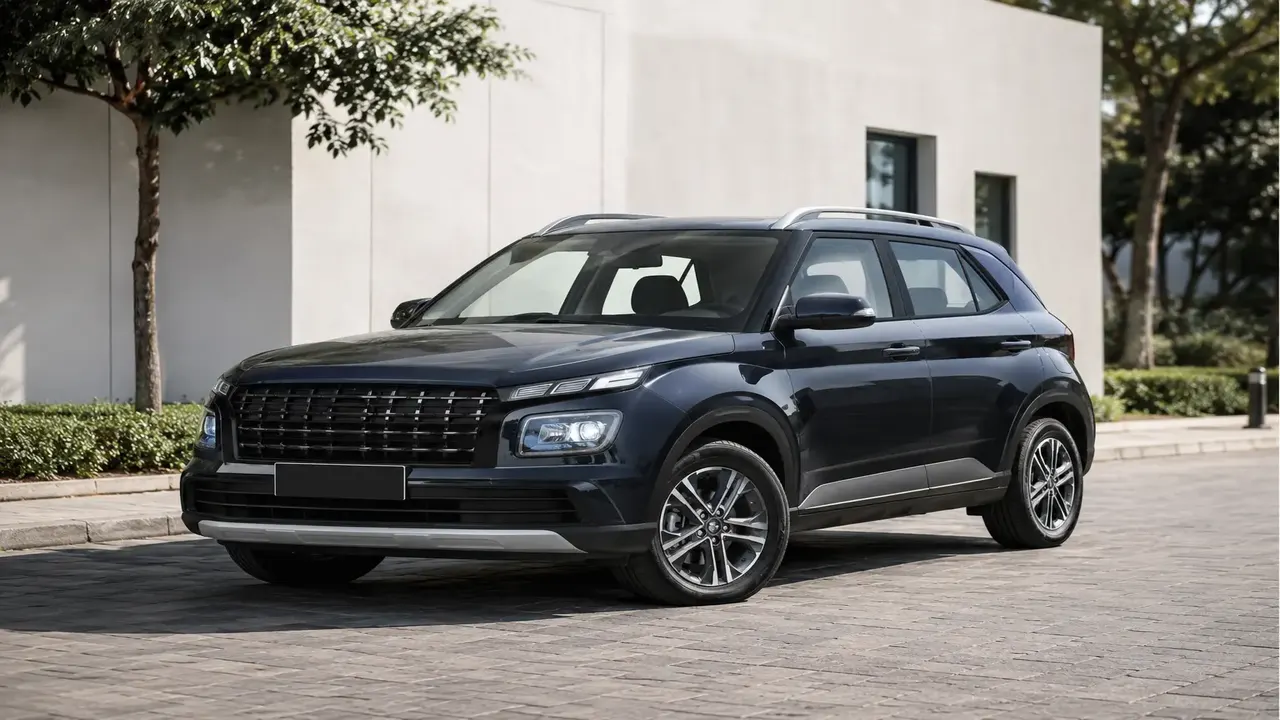
The features that consistently make a car easier for elderly passengers are a seat height that avoids deep bending or climbing (often a midsize SUV or crossover rather than a low sedan or high truck), wide-opening doors, large windows with good outward visibility, and a firm-but-comfortable ride. Advanced driver-assist features like blind-spot monitoring and automatic emergency braking add meaningful safety value for older drivers specifically, not just passengers.
At a glance: elderly-passenger-friendly features
| Feature | Why it helps |
|---|---|
| Moderate seat height (crossover-level) | Reduces bending down or climbing up compared to sedans or trucks |
| Wide door openings, low sills | Easier, safer entry and exit, especially with mobility aids |
| Large windows, low beltline | Better outward visibility reduces disorientation and improves confidence |
| Firm, supportive seats | Reduces fatigue and back strain on longer rides |
| Blind-spot and cross-traffic alerts | Compensates for reduced neck mobility or peripheral vision |
What actually makes a car easier for older passengers
The single biggest factor is how much bending, twisting, or climbing it takes to get in and out. Low sports sedans require passengers to drop down into a low seat and then push back up; tall trucks and body-on-frame SUVs require a climb. Midsize crossovers and SUVs with a seat height around hip level tend to be the easiest entry point, letting a passenger essentially pivot and sit rather than lower or climb.
Door design and seat height
Wide door openings and a low door sill reduce the risk of catching a foot or having to step over anything, which matters more than it sounds for passengers using a cane or with limited hip mobility. Some models also offer doors that open closer to 90 degrees, giving more room to maneuver than a door that only swings partway open.
- Test the actual door swing and sill height in person — spec sheets don't capture this well
- Sit in the back seat, not just the front, if the car will carry elderly passengers rather than drive them
- Check whether grab handles are present and positioned usefully above the door frame
Visibility and driver-assist tech
Large windows and a lower beltline (the line where glass meets metal on the doors) make it easier to see out, which reduces disorientation for passengers and is directly helpful for elderly drivers. For anyone still driving, blind-spot monitoring and rear cross-traffic alert compensate for reduced neck rotation range, one of the more common physical changes with age, while automatic emergency braking adds a safety net for reaction-time changes.
Ride comfort vs firmness
A too-soft ride can feel unstable and cause more body movement over bumps, which is uncomfortable for passengers with joint or back sensitivity. A well-controlled, moderately firm suspension that absorbs sharp impacts without excessive floatiness or lean in corners tends to be the more comfortable choice for older passengers on longer rides.
Common mistakes families make in this comparison
The most common mistake is choosing a car based on brand reputation for comfort rather than actually testing entry and exit with the specific passenger in mind — mobility needs vary widely, and a car that suits one older passenger well may be awkward for another. Bringing the passenger along for a test sit, not just a test drive, is the most reliable way to compare options.
There's no single 'best car for seniors' — the right choice depends heavily on the individual's mobility, height, and any mobility aids used. Prioritize an in-person test of entry, exit, and visibility over any general ranking, including this one.
A simple in-person checklist
- Have the passenger sit in both front and rear seats, not just the driver's seat
- Time and observe how easily they enter and exit unassisted
- Check sightlines out the front, sides, and rear from the seated position
- Confirm ride comfort over a rough patch of road, not just smooth pavement
- Review the standard (not optional) driver-assist features if the passenger will also drive
Frequently asked questions
What type of car is easiest for elderly passengers to get into?
Are SUVs better than sedans for older passengers?
What safety features matter most for elderly drivers specifically?
Do heated seats matter for older passengers?
Should I test the back seat, not just the front, when shopping for an elderly passenger?
Sources & further reading
Figures, prices and policy details were current at the last-updated date above. Automotive pricing, incentives and regulations change frequently — verify time-sensitive details with the linked primary sources. Read our editorial policy and fact-checking standards.