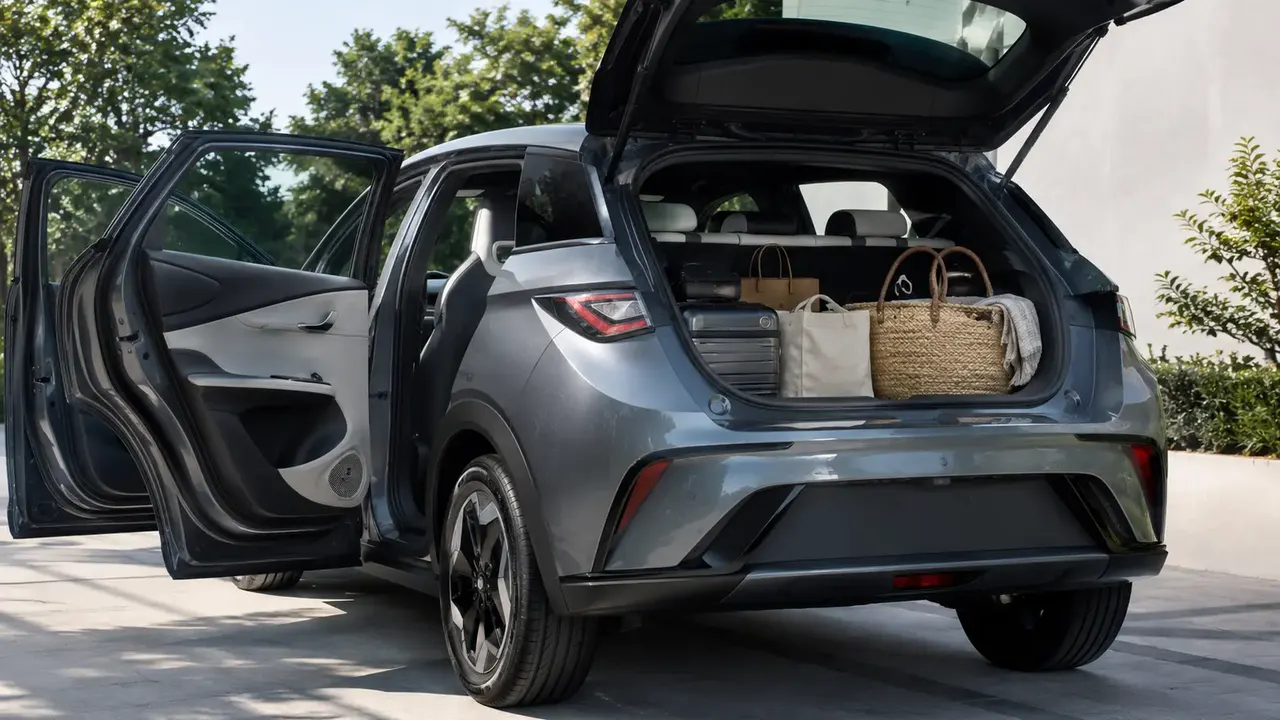
The most dog-friendly SUVs combine a low liftover height (easier for older or smaller dogs to jump in), a flat, wide cargo area behind the second row, and durable, wipeable cargo liners rather than plush carpet. Midsize and larger SUVs with a low cargo floor generally beat both compact crossovers (less room) and very tall SUVs (higher liftover) for everyday dog-owner practicality.
At a glance: dog-owner SUV priorities
| Feature | Why it helps |
|---|---|
| Low liftover height | Easier and safer for dogs to jump in without assistance |
| Flat cargo floor | More usable space for crates or dogs riding loose in cargo area |
| Durable cargo liner/materials | Easier cleanup of mud, water, and pet hair |
| Rear climate vents | Keeps cargo-area dogs comfortable on longer trips |
| Cargo tie-downs/dividers | Helps secure a crate or barrier for safety |
What actually matters for dog owners
Marketing aside, the practical differences between SUVs for dog owners come down to a few physical factors: how high a dog has to jump to get in, how much usable flat space is behind the back seat, how easy the materials are to clean, and whether the vehicle has functional tie-down points for a crate or cargo barrier. None of these show up prominently on a spec sheet, so they're worth checking in person.
Cargo dimensions vs breed size
A large dog crate needs real floor space and height, not just cubic-feet-on-paper cargo volume, since that figure can be inflated by tall, narrow spaces that don't fit a crate well. Measure your specific crate against the cargo area's floor length, width, and height with the cargo cover removed, rather than relying on the manufacturer's cubic-foot number alone.
- Measure your dog's crate against the actual cargo floor dimensions, not just the published cubic-foot figure
- Check liftover height in person if your dog is older, small, or has joint issues
- Look for rubberized or washable cargo liners rather than carpeted cargo floors
- Confirm cargo tie-down points are positioned usefully for a crate or barrier, not just decorative
Materials and cleanup
Cloth and carpet cargo areas trap pet hair, mud, and odors far more than rubberized liners or SUVs with a durable, wipeable cargo floor as an available option. Some manufacturers offer factory-installed cargo trays or liners specifically marketed for pets or outdoor gear, which is worth checking as an option even if it's not standard.
Ventilation and temperature safety
A dog left in a parked car, even briefly, is at serious risk of heatstroke — interior temperatures can climb rapidly even on a mild day with the windows cracked, according to veterinary and safety organizations. This isn't a car-selection factor so much as a standing rule: never leave a dog unattended in a parked vehicle in warm weather, regardless of the SUV. For dogs riding in the cargo area on longer trips, rear climate vents help maintain a comfortable temperature while the vehicle is moving.
Cargo accessories worth checking
Removable cargo dividers, built-in rails for cargo nets, and factory-available pet barriers add real functional value for dog owners, letting you secure a loose dog or crate more safely than an unrestrained cargo area allows. Check what's available as a factory or dealer-installed option before assuming you'll need an aftermarket solution.
A loose, unrestrained dog in a moving vehicle is a safety risk both to the dog and to occupants in a sudden stop or crash. A secured crate or a properly rated harness restraint is a meaningfully safer setup than letting a dog ride loose, even in a spacious cargo area.
Frequently asked questions
What type of SUV is best for a large dog?
Do I need a cargo liner for my SUV if I have a dog?
Is it safe to let a dog ride loose in the cargo area?
How hot does a parked car get for a dog?
Do liftover height and step-in height really matter for dogs?
Sources & further reading
Figures, prices and policy details were current at the last-updated date above. Automotive pricing, incentives and regulations change frequently — verify time-sensitive details with the linked primary sources. Read our editorial policy and fact-checking standards.