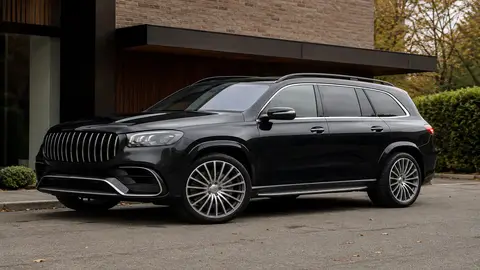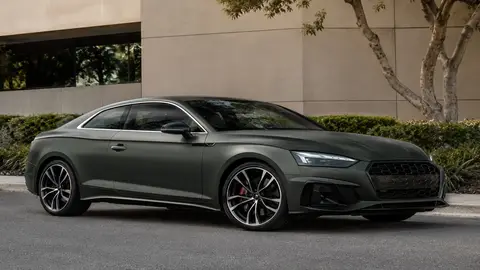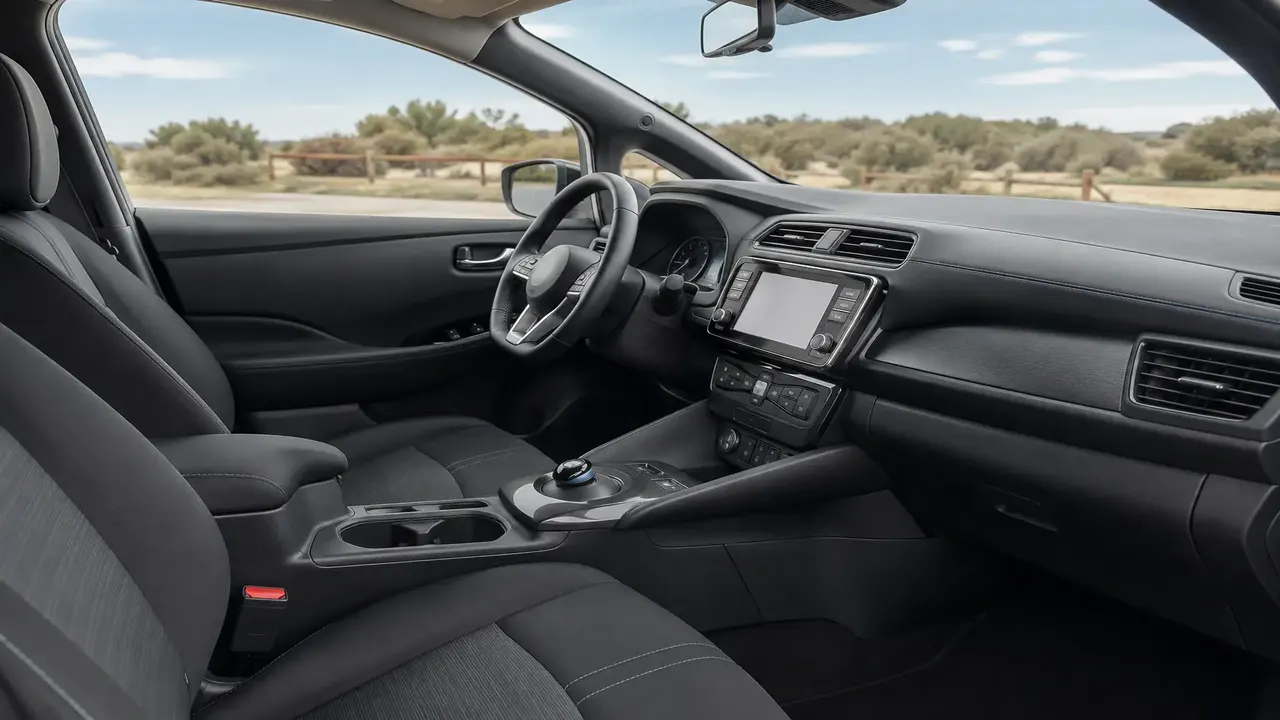
Cars built for hot climates hold up best when they have a robust, well-sized cooling system, light-colored or heat-reflective interior materials, strong factory air conditioning capacity, and tires rated for sustained high temperatures. Diesel and some high-compression engines can run hotter under load in extreme ambient heat, and battery-electric vehicles need active thermal management to protect range and battery longevity in sustained 100°F+ conditions. Reliability reputation in hot regions (look at owner data from desert climates like Arizona, the Gulf states, or parts of India and Australia) is a better predictor than a spec sheet.
At a glance: the best cars for hot climates
| Consideration | Why it matters in heat |
|---|---|
| Cooling system capacity | Undersized radiators/AC compressors struggle more in sustained 100°F+ driving |
| Interior materials | Dark leather and unshielded plastics can reach uncomfortable, even damaging, surface temperatures |
| Tire compound and pressure | Heat accelerates tire wear and raises blowout risk if pressures aren't checked regularly |
| Battery thermal management (EVs) | Active liquid cooling protects range and long-term battery health better than passive air cooling |
| Paint and trim UV resistance | Cheaper plastics and paint can fade or crack faster under intense, sustained UV exposure |
Why heat is harder on a car than cold
Sustained high ambient temperatures put continuous stress on a car's cooling system, battery, tires, and interior materials in a way that occasional cold snaps often don't match for daily wear. A car that's fine for a week of summer heat in a temperate region can behave very differently after months of consistent 100°F-plus days, which is why reliability data from genuinely hot regions is more useful than general reviews.
Cooling system and engine considerations
Engines and transmissions generate heat under load, and in high ambient temperatures that heat has less margin before triggering reduced power modes or, in poorly maintained vehicles, overheating. Cars with larger radiators, additional transmission coolers, and factory tow packages (which often include upgraded cooling) tend to fare better under sustained heat and heavy use like towing or mountain driving in summer conditions.
Air conditioning capacity
Not all factory AC systems are sized the same — some are tuned primarily for moderate climates and can struggle to keep a cabin comfortable after being parked in direct sun in extreme heat. Dual-zone or larger-capacity AC systems, sometimes bundled with heat-reflective windshields or tinted glass, cool a hot interior faster and maintain comfort better on long summer drives.
Interior materials and long-term wear
Dark-colored leather and unshielded plastic trim can reach surface temperatures uncomfortable to the touch after sitting in direct sun, and repeated heat-cool cycles accelerate cracking and fading over years of ownership. Lighter interior colors, UV-stabilized plastics, and ventilated seats (which actively pull heat away from occupants) all make a meaningful comfort difference in genuinely hot climates.
Extreme heat is one of the fastest ways to degrade tire life and battery health (in both 12-volt and EV batteries). Check tire pressure more often in summer and, for EVs, look specifically at models with active liquid battery cooling if you live somewhere that regularly exceeds 100°F.
Electric vehicles in hot climates
EVs with active liquid thermal management for their battery packs generally handle sustained heat and fast-charging better than those relying on passive air cooling, both for range consistency and long-term battery degradation. Manufacturers publish differing approaches to battery thermal management, so it's worth checking which system a specific EV model uses if you live somewhere with consistently high temperatures.
- Look for factory tow packages or larger-radiator options even if you don't tow — they usually include upgraded cooling.
- Choose lighter interior colors and ventilated seats if you park outdoors regularly in direct sun.
- For EVs, prioritize models with active liquid battery cooling over passive-cooled designs.
- Check regional reliability data from hot-climate markets rather than relying on general national averages.
Frequently asked questions
Do diesel engines struggle more in extreme heat?
Does extreme heat reduce EV range?
What color interior is best for a hot climate?
How often should I check tire pressure in hot weather?
Do all cars have the same air conditioning capacity?
Sources & further reading
- U.S. Department of Energy - EV Range in Extreme Temperatures
- National Highway Traffic Safety Administration - Tire Safety
Figures, prices and policy details were current at the last-updated date above. Automotive pricing, incentives and regulations change frequently — verify time-sensitive details with the linked primary sources. Read our editorial policy and fact-checking standards.