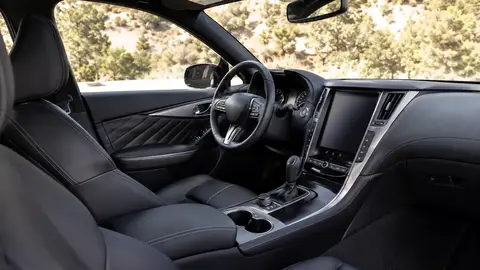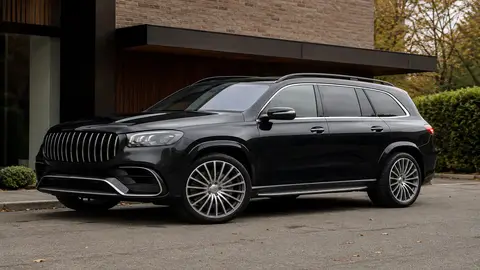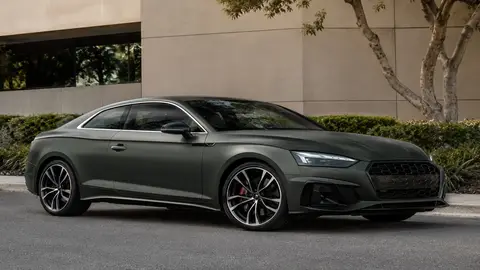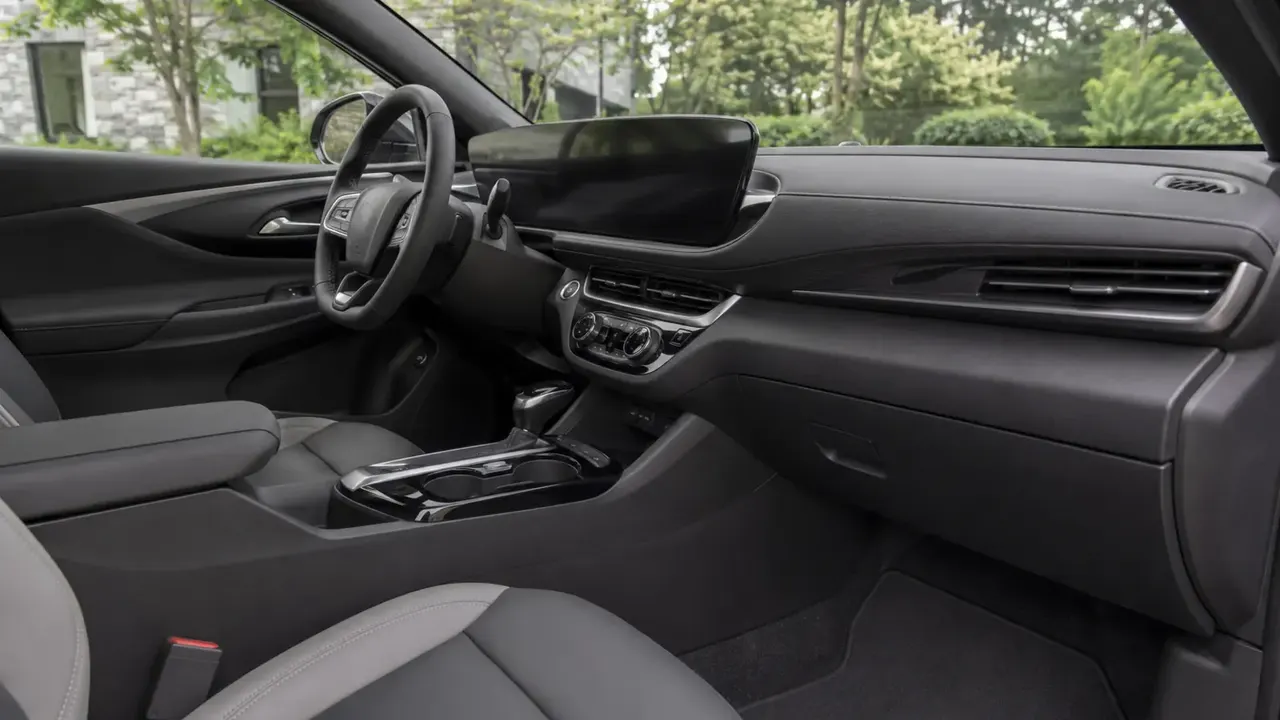
Winter tires improve stopping distance and grip in cold and snowy conditions far more than all-wheel drive alone — AWD helps you accelerate and pull away from a stop, but it does nothing extra for braking or cornering grip. That said, AWD or 4WD combined with proper winter tires and reasonable ground clearance (SUVs and crossovers with 7-8+ inches of clearance handle deeper, unplowed snow better than low sedans) is the strongest combination for genuinely snowy climates. Electronic stability control, now standard on virtually all new vehicles, is one of the most important safety features for winter driving regardless of drivetrain.
At a glance: the best cars for snow and winter driving
| Factor | Why it matters in snow |
|---|---|
| Winter (snow) tires | Improve braking and cornering grip in cold/snow far more than drivetrain alone |
| AWD/4WD | Helps with acceleration and traction pulling away, not with stopping or cornering |
| Ground clearance | Higher clearance handles unplowed or deep snow better than low-slung cars |
| Electronic stability control | Standard on virtually all new vehicles; critical for regaining control on slick surfaces |
| Curb weight and weight distribution | Heavier vehicles with balanced weight distribution can feel more planted in slush and snow |
The single biggest factor: tires, not drivetrain
Independent testing from tire manufacturers and automotive publications consistently shows that dedicated winter tires cut stopping distances on snow and ice significantly compared with all-season tires, regardless of whether the car is front-wheel, rear-wheel, or all-wheel drive. A front-wheel-drive car on good winter tires will often out-brake and out-corner an all-wheel-drive car on all-season tires. AWD's real advantage is traction when accelerating from a stop or climbing a snowy incline — it does not meaningfully improve braking or cornering grip on its own.
All-wheel drive vs four-wheel drive
AWD systems on cars and crossovers are usually automatic and always engaged to some degree, designed for on-road all-weather traction rather than serious off-road use. Traditional 4WD systems, common on trucks and body-on-frame SUVs, often include a low-range gear for deep snow, mud, or steep terrain but may need to be manually engaged. For typical road driving in snowy regions, a car-based AWD system paired with winter tires is usually sufficient; 4WD with low-range matters more for rural, unplowed, or off-road winter conditions.
Ground clearance and unplowed snow
A car that handles a light dusting of snow fine can struggle once snow depth approaches or exceeds its ground clearance, since the vehicle's underside can start plowing snow rather than driving over it. SUVs and crossovers with roughly 7-8 inches or more of clearance generally cope with deeper, unplowed snow better than sedans and low-riding hatchbacks, which is one reason SUVs remain popular in snow-prone regions even among drivers who don't need extra cargo space.
All-season tires are a compromise, not a winter solution. If you regularly drive in temperatures consistently below about 45°F (7°C), dedicated winter tires — even on a front-wheel-drive car — will outperform all-season tires on an AWD vehicle for braking and cornering.
Stability control and other safety systems
Electronic stability control, now required or standard on nearly all new vehicles sold in major markets, automatically applies braking to individual wheels to help a driver regain control during a skid. It's one of the most impactful winter-driving safety features precisely because it works regardless of drivetrain type, and it's worth confirming is present and functioning (not disabled) on any used car you're considering for winter use.
- Prioritize winter tires over drivetrain type if you can only choose one upgrade.
- AWD/4WD adds real value on top of winter tires, especially for hills, unplowed roads, or rural driving.
- Check ground clearance if you regularly deal with deep or unplowed snow.
- Confirm electronic stability control is present and undisabled — it's one of the most important winter safety systems.
Frequently asked questions
Do I need all-wheel drive to drive safely in snow?
Are winter tires really worth it if I already have AWD?
What's the difference between AWD and 4WD for snow driving?
How much ground clearance do I need for snow?
Does a heavier car handle snow better?
Sources & further reading
Figures, prices and policy details were current at the last-updated date above. Automotive pricing, incentives and regulations change frequently — verify time-sensitive details with the linked primary sources. Read our editorial policy and fact-checking standards.