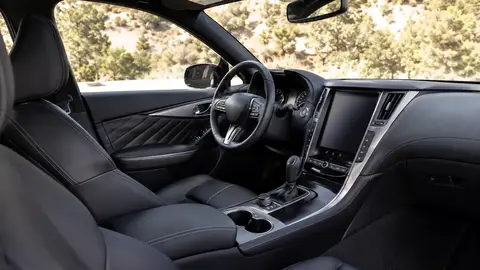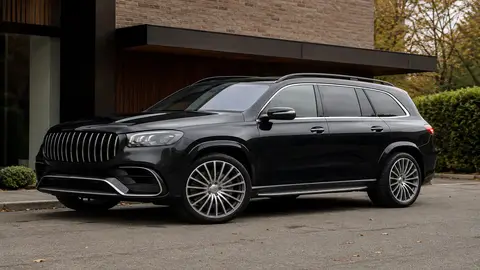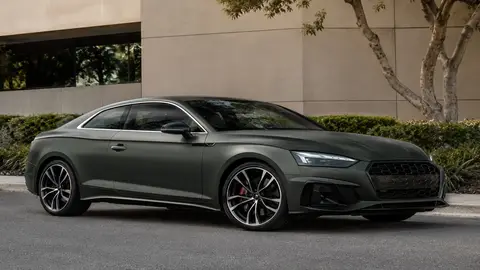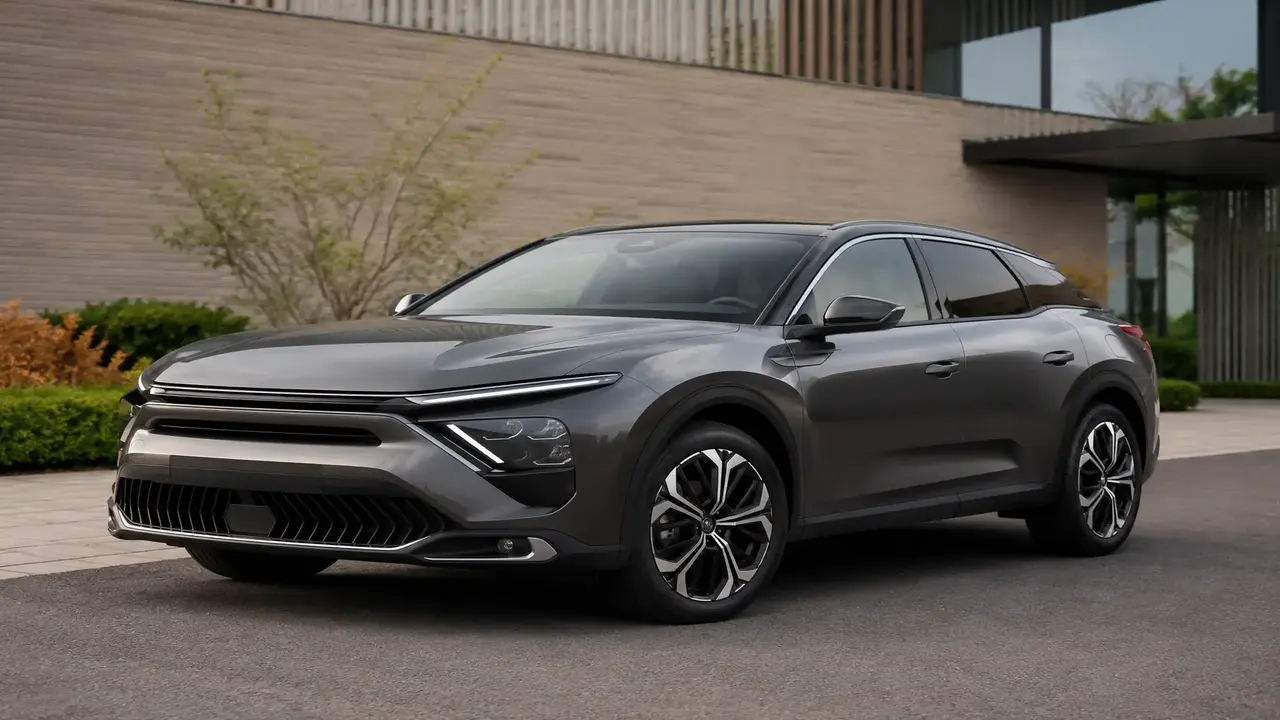
The features that consistently help senior drivers are easy entry/exit seat height (many compact and midsize SUVs sit close to hip height), wide-view mirrors and good outward visibility, standard driver-assist tech (automatic emergency braking, blind-spot monitoring, rear cross-traffic alert), and simple, physical-button-heavy controls rather than menu-heavy touchscreens. Groups like the AAA Foundation and IIHS have published research showing driver-assist features meaningfully reduce crash risk for older drivers specifically. Vehicle size matters too: a car that's easy to see out of and park is often more valuable than one with maximum cargo space.
At a glance: the best cars for senior drivers
| Feature | Why it helps senior drivers |
|---|---|
| Higher seat height (SUV/crossover) | Easier entry and exit without deep bending or climbing down |
| Automatic emergency braking | Reduces reaction-time pressure in sudden-stop situations |
| Blind-spot and rear cross-traffic alerts | Compensates for reduced neck mobility when checking blind spots |
| Large, glare-resistant instrument displays | Easier to read for changing eyesight, especially at night |
| Physical controls for climate/volume | Fewer touchscreen menus to navigate while driving |
Why the right features matter more than the badge
There's no single automaker that makes exclusively "senior-friendly" cars — the right choice depends on matching specific features to specific needs, whether that's easier entry and exit, better visibility, or driver-assist systems that compensate for slower reaction times or reduced neck mobility. Research from safety organizations like the AAA Foundation for Traffic Safety and the Insurance Institute for Highway Safety (IIHS) has repeatedly found that certain driver-assist technologies measurably reduce crash risk for older drivers.
Seat height and easy entry/exit
Compact and midsize SUVs and crossovers generally sit at a seat height close to hip level, which reduces the bending required to get in and the strain of climbing down required by lower sedans or coupes. This is one of the most consistently cited comfort factors by older drivers and their families, and it's worth testing in person since seat height and door opening width vary meaningfully even within the SUV segment.
Visibility and mirrors
Thick rear roof pillars and small rear windows — common on some sleek, low-roofline designs — can create meaningful blind spots. Cars with larger rear windows, wide-view or convex mirror inserts, and a 360-degree camera system make it easier to judge distances and check blind spots without excessive neck turning, which can be limited by arthritis or reduced mobility.
Driver-assist technology worth prioritizing
Automatic emergency braking, blind-spot monitoring, rear cross-traffic alert, and lane-keeping assist have all shown measurable safety benefits in IIHS and NHTSA research, and they're increasingly standard on mainstream trims rather than optional extras. For senior drivers specifically, these systems act as a second set of eyes for the exact scenarios — merging, backing out of a parking spot, sudden stops — where age-related changes in reaction time or peripheral vision can matter most.
Touchscreen-only controls for climate, volume, or seat heating can be harder to operate quickly while driving, especially for anyone less comfortable with touchscreen menus. Prioritize models that keep physical knobs or buttons for the most frequently used functions.
Simplicity in the cabin
Beyond safety tech, look for straightforward infotainment menus, large text options, and voice controls that work reliably — not every voice assistant handles natural speech equally well. A simpler, less cluttered dashboard reduces the mental load of driving, which matters for any driver but especially for those managing multiple new systems in a modern car for the first time.
- Test the seat height and door opening in person — brochures don't capture how easy entry/exit really is.
- Prioritize trims with automatic emergency braking and blind-spot monitoring as standard, not optional.
- Choose models with physical controls for climate and volume alongside the touchscreen.
- Check the rear visibility and consider a 360-degree camera if rear blind spots are a concern.
Frequently asked questions
Are SUVs better than sedans for senior drivers?
Which safety features matter most for older drivers?
Do larger touchscreens help or hurt senior drivers?
Are there specific driving courses for older drivers?
Should seat height be a top priority when choosing a car?
Sources & further reading
Figures, prices and policy details were current at the last-updated date above. Automotive pricing, incentives and regulations change frequently — verify time-sensitive details with the linked primary sources. Read our editorial policy and fact-checking standards.