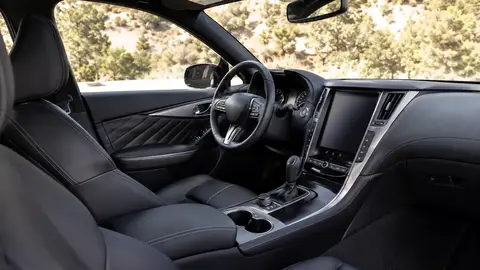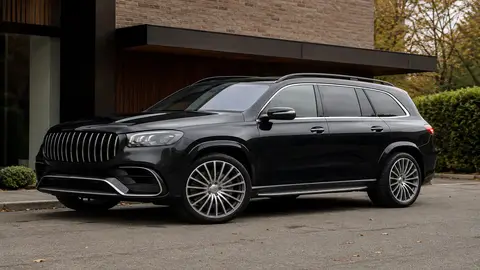
The strongest family cars combine a Top Safety Pick rating (IIHS) or 5-star rating (NHTSA/Euro NCAP), easy-access LATCH/ISOFIX car-seat anchors, rear-seat space generous enough for two or three child seats, and enough cargo room for strollers and everyday hauling — typically midsize SUVs, three-row SUVs, and minivans deliver this combination most consistently. Minivans in particular still outperform SUVs of similar price on outright interior flexibility (sliding doors, flat-folding third rows), even though SUVs have become the more popular choice among family buyers.
At a glance: the best family cars
| Family-car body style | Strongest for |
|---|---|
| Minivan | Maximum interior flexibility, sliding doors, easiest car-seat access |
| Three-row SUV | Families wanting SUV styling/ride height with occasional third-row seating |
| Midsize SUV/crossover | Families with one or two children needing a balance of space and maneuverability |
| Wagon/estate | Families prioritizing car-like handling and fuel economy over max interior volume |
| Compact SUV | Smaller families or those with one child, prioritizing easier parking and lower running costs |
Safety ratings should be the starting filter
Independent crash-test and safety-tech ratings from organizations like the IIHS (US), NHTSA (US), and Euro NCAP (Europe) are a more reliable starting point than marketing claims. Look specifically for a car with strong ratings in both frontal and side-impact tests, plus standard automatic emergency braking and, ideally, rear cross-traffic alert — genuinely useful for backing out of driveways or parking lots with kids nearby.
Car-seat installation and rear-seat space
LATCH anchors (US) or ISOFIX anchors (UK/Europe/India and most other markets) make installing a child seat considerably easier and more secure than a seatbelt-only installation, but ease of access to those anchors varies a lot between models — some are buried deep in seat cushions, making a secure, correctly tensioned installation frustrating. If possible, bring your actual car seat to a test drive and try installing it before buying, rather than relying on spec-sheet claims about anchor presence alone.
Minivans vs SUVs for families
Minivans continue to offer meaningful practical advantages for families with young children: sliding rear doors that don't need much clearance to open fully (useful in tight parking lots), typically flatter-folding third-row seats, and generally more usable interior volume than a similarly priced SUV. SUVs have nonetheless become the more popular family choice, largely due to styling preference and a more commanding driving position, even though minivans often out-practical them on a spec-for-spec basis.
Cargo space for everyday family life
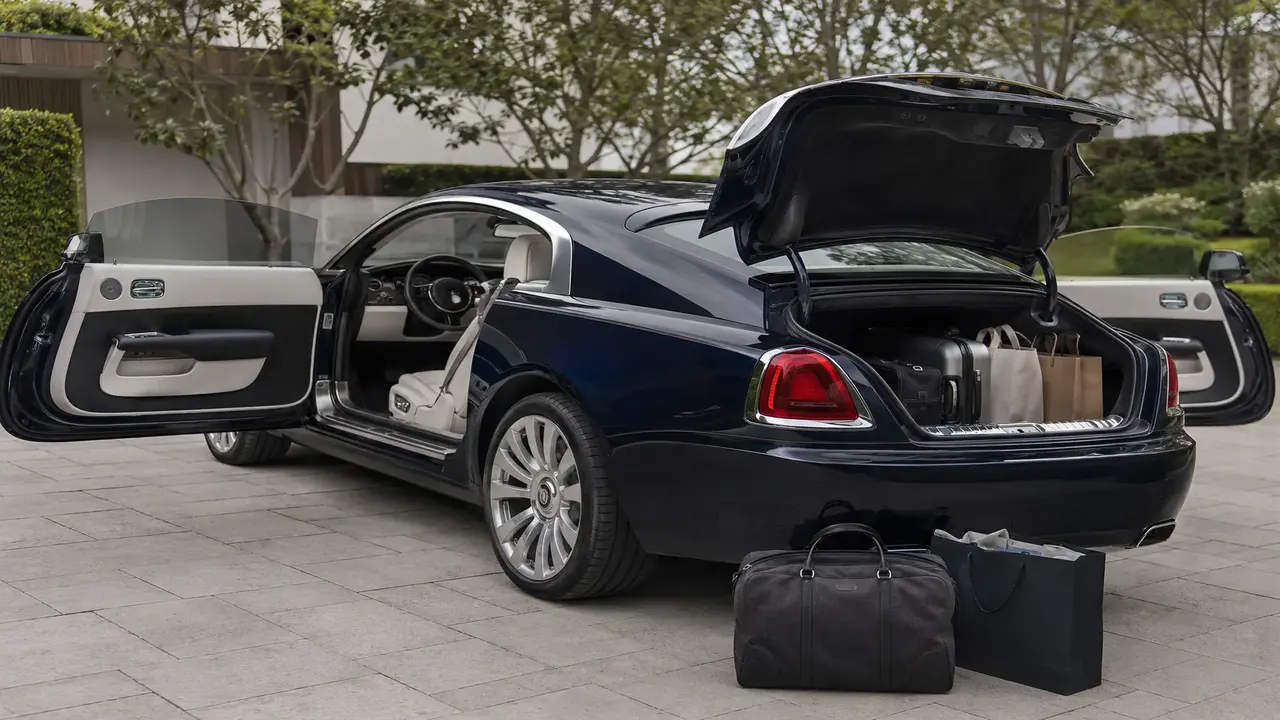
Strollers, sports equipment, and everyday grocery runs demand real cargo space behind the rearmost occupied row of seats, not just the maximum volume figure with all rear seats folded flat. A three-row SUV that looks spacious with the third row folded down can be surprisingly tight for cargo when that third row is occupied by kids — check the cargo figure specifically behind the row you'll actually be using day to day.
Some third-row seats in compact and midsize SUVs are genuinely only suitable for small children on short trips, not regular use by older kids or adults. Check third-row legroom specifically, and consider sitting in it yourself, before assuming a three-row SUV meets your family's real seating needs.
Other features worth prioritizing
- Rear-seat sunshades and separate rear climate controls for comfort on longer trips.
- Built-in rear entertainment or at least accessible USB charging ports for older kids.
- A hands-free or foot-activated power liftgate, genuinely useful when your hands are full.
- Interior materials that clean easily — spills and crumbs are a given with young kids.
Frequently asked questions
Are minivans still better than SUVs for families?
What safety features matter most for family cars?
Is a third-row SUV seat usable for regular adult or teen seating?
Do I need LATCH or ISOFIX anchors, or is a seatbelt installation fine?
What cargo space should I look for in a family car?
Sources & further reading
Figures, prices and policy details were current at the last-updated date above. Automotive pricing, incentives and regulations change frequently — verify time-sensitive details with the linked primary sources. Read our editorial policy and fact-checking standards.