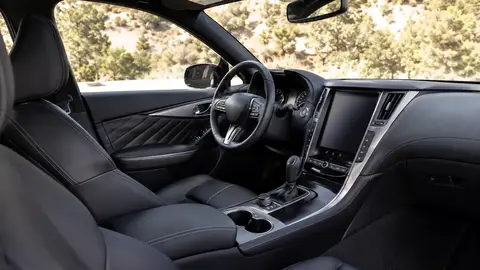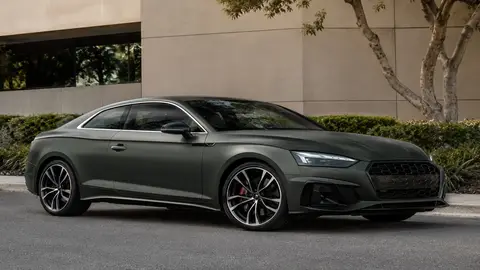
The best first cars for students are typically used compact sedans, hatchbacks, or small crossovers, roughly 3-7 years old, with strong independent safety ratings, a documented maintenance history, and moderate horsepower — high-performance cars and very small city cars both tend to carry disproportionately higher insurance premiums for young or new drivers. Insurance cost for a driver under 25 (or a newly licensed driver of any age) can add hundreds to well over a thousand dollars per year depending on the vehicle and region, so it's worth getting an insurance quote on a specific car before buying it, not after.
At a glance: the best first cars for students
| Priority | Why it matters for a first car |
|---|---|
| Strong safety ratings | Newer drivers statistically have higher crash rates; safety tech meaningfully reduces injury risk |
| Moderate horsepower | High-performance cars typically carry noticeably higher insurance premiums for young drivers |
| Reliability reputation | Reduces the chance of a student being stranded or facing large unexpected repair bills |
| Total cost of ownership | Insurance, fuel, and maintenance often matter more than the purchase price alone |
| Documented maintenance history (used cars) | Reduces risk of buying a car with hidden mechanical problems |
Insurance cost is often the biggest surprise
Many first-time car shoppers focus entirely on the purchase price and are caught off guard by insurance costs, which are typically much higher for young or newly licensed drivers regardless of age. Insurers weigh the car's safety rating, repair cost, theft rate, and horsepower alongside the driver's age and experience — meaning two similarly priced cars can carry meaningfully different insurance premiums for the same student driver. Getting an insurance quote for a specific car before purchase is one of the most valuable, and most skipped, steps in buying a first car.
Why a used, moderate car is usually the practical choice
A well-maintained used compact sedan or small crossover, typically a few years old, generally balances affordability, safety, and insurance cost better than either a brand-new car (higher purchase price and depreciation) or an older, high-mileage car (higher breakdown and repair risk). Choosing a model with a strong reliability reputation reduces the odds of a student being stuck with a large, unexpected repair bill early in ownership.
Safety features worth prioritizing
Newer drivers are statistically more likely to be involved in a collision, particularly in their first year or two of driving, which makes safety tech genuinely valuable rather than a nice-to-have. Automatic emergency braking, a strong independent crash-test rating, and, for parents choosing a car for a teen, some vehicles' factory-installed teen-driver monitoring features (which can log speed and set alerts) are all worth prioritizing over styling or infotainment features.
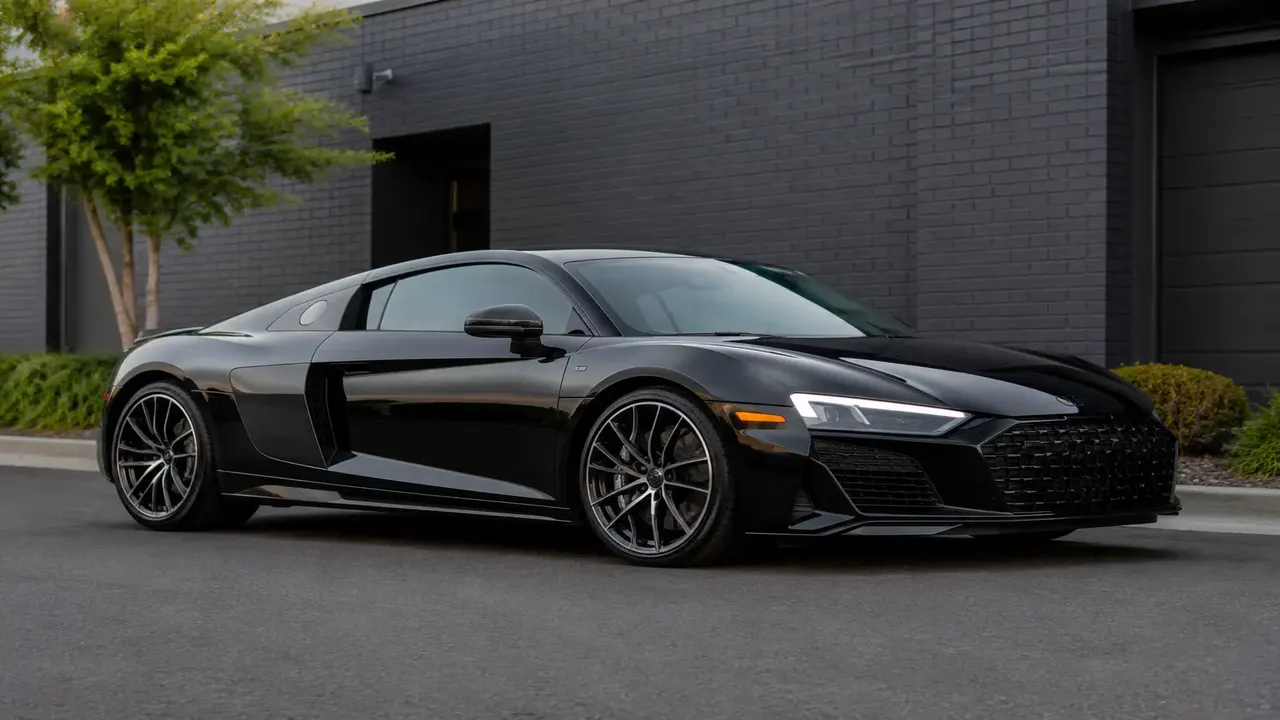
High-horsepower and sports-oriented cars, along with certain very small city cars in some insurance markets, can carry disproportionately high premiums for young or new drivers. Always check insurance cost on the specific make, model, and trim before committing to a first car.
Total cost of ownership, not just sticker price
Fuel or charging costs, routine maintenance, tires, and insurance all add up over a year of ownership, often exceeding the difference in purchase price between two comparable used cars. A slightly more expensive but notably more fuel-efficient or lower-insurance-cost car can end up cheaper overall than a lower-priced alternative once these ongoing costs are factored in.
- Get an insurance quote on the specific car before buying, not after.
- Favor a well-maintained used compact sedan, hatchback, or small crossover over a brand-new car or a very old, high-mileage one.
- Prioritize strong independent safety ratings and automatic emergency braking.
- Have a used car inspected by an independent mechanic before purchase, and request maintenance records.
Frequently asked questions
Why is car insurance so expensive for student drivers?
Should a student buy a new car or a used car?
Do sports cars cost more to insure for young drivers?
What safety features should a first car have?
How can I lower insurance costs for a student driver?
Sources & further reading
Figures, prices and policy details were current at the last-updated date above. Automotive pricing, incentives and regulations change frequently — verify time-sensitive details with the linked primary sources. Read our editorial policy and fact-checking standards.