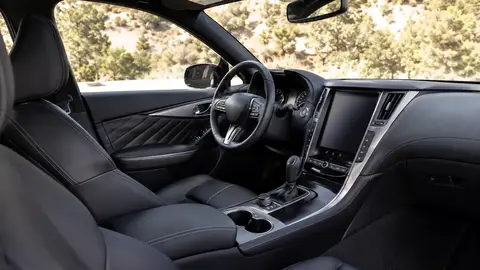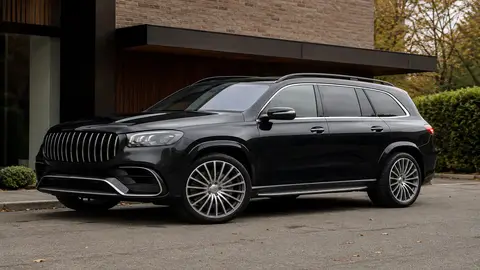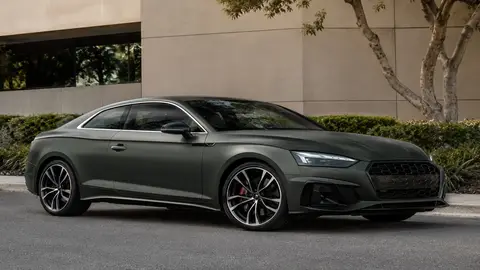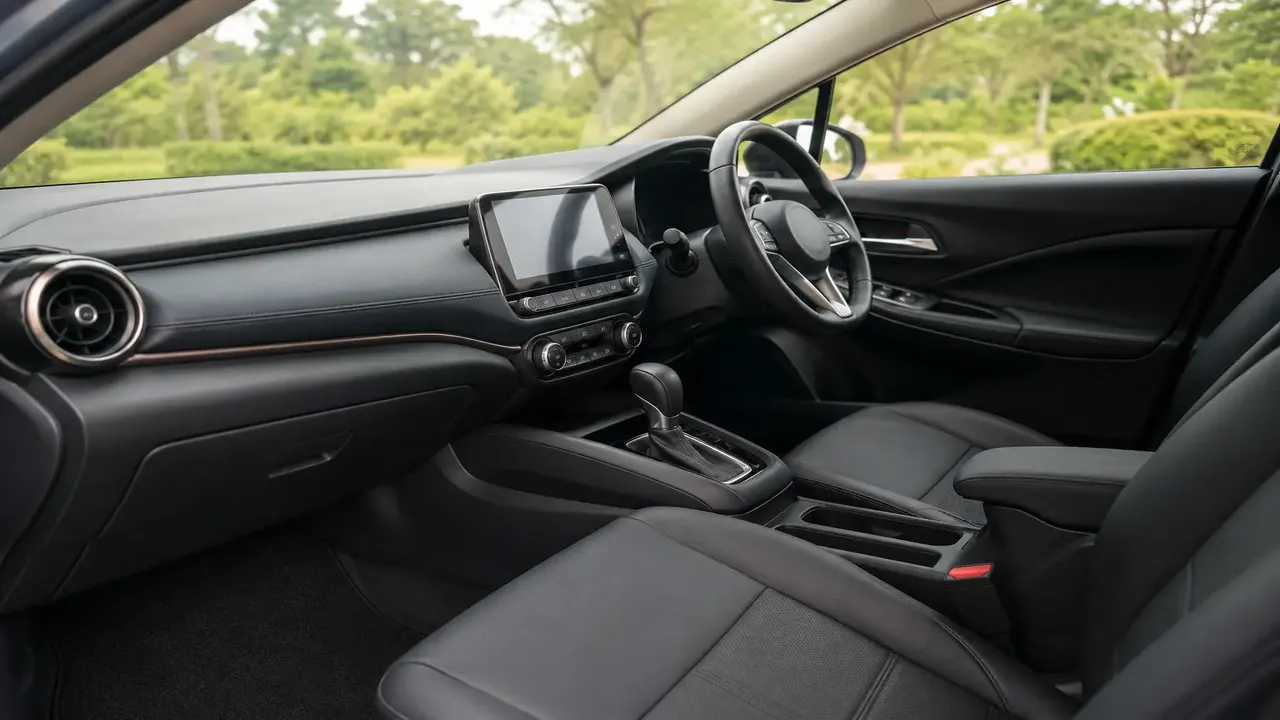
The best road trip cars combine a highway fuel economy or range comfortably above segment average, a cargo area that fits luggage without blocking rear visibility, and adaptive cruise control with lane-centering to reduce fatigue on long stretches. Midsize sedans and crossovers with 33+ mpg highway (gas) or 250+ miles of real-world range (EV) tend to top road trip rankings, since they minimize refueling or charging stops without sacrificing comfort the way smaller cars can over many hours.
At a glance: what to prioritize for road trips
| Factor | What to look for |
|---|---|
| Highway efficiency | 33+ mpg highway (gas) or 250+ miles real-world range (EV) reduces stop frequency |
| Driver-assist tech | Adaptive cruise control + lane-centering meaningfully reduces fatigue |
| Cargo flexibility | Enough space for luggage without blocking the rearview mirror |
| Seat comfort | Firm, supportive cushions matter more over 6+ hours than initial plushness |
| Charging network access (EV) | Route-relevant fast-charging coverage, not just headline range |
Why a great daily driver isn't automatically a great road trip car
A car that feels perfectly comfortable on a 20-minute commute can reveal real weaknesses on hour six of a road trip — seat cushions that felt fine initially but cause fatigue, wind noise that's tolerable briefly but tiring for hours, or a cargo area that fits daily errands but not a family's luggage. Road trip suitability is really a test of sustained comfort and range/efficiency, not first impressions.
Efficiency and range: the biggest practical factor
Fewer stops means a shorter trip and less fatigue. Midsize sedans and crossovers with highway fuel economy in the 33+ mpg range are frequently favored for long-distance trips over larger SUVs, which often drop into the low-to-mid 20s on the highway. For EVs, real-world range above 250 miles combined with reliable fast-charging access along the actual route matters more than the EPA-rated maximum range figure, which is measured under ideal conditions.
Driver-assist tech that genuinely helps on long drives
Adaptive cruise control paired with lane-centering assist is consistently rated by long-distance drivers as one of the most fatigue-reducing features available, since it removes the constant small throttle and steering corrections that add up over hours. These systems still require active driver attention — they're a fatigue reducer, not an autonomous driving feature.
Comfort factors that matter more than they seem
- Seat cushion firmness and support — overly soft seats that feel great for 20 minutes often cause discomfort by hour four
- Cargo area shape, not just volume — an oddly shaped trunk can fit less luggage than a smaller but more rectangular one
- Wind and road noise at sustained highway speed, not just parking-lot quiet
- Rear-seat comfort if passengers will rotate driving duties and rest in the back
Body style trade-offs for long trips
Crossovers and midsize SUVs generally win for road trips over sedans thanks to easier rear entry, a higher seating position some passengers prefer for visibility, and flexible cargo space — but they typically cost some fuel economy compared with a sedan on the same platform. Minivans remain underrated for long family road trips specifically, offering the most usable cargo and seating flexibility of any mainstream body style.
Common mistakes trip planners make
Judging comfort from a short test drive instead of a multi-hour one, relying on EPA range/mileage figures without accounting for real-world conditions like AC use, elevation, and speed, and packing a cargo test only after buying rather than before.
Check fast-charging network coverage along your actual route before relying on an EV's rated range for a long trip — coverage gaps in rural areas remain the most common cause of road trip planning trouble.
Frequently asked questions
What makes a car good for road trips specifically?
Are SUVs or sedans better for long road trips?
Is adaptive cruise control worth it for road trips?
Can you rely on an EV's rated range for a road trip?
Do minivans make good road trip vehicles?
Sources & further reading
- U.S. Department of Energy — Fuel Economy and EV range guidance
- AAA — Long-distance driving and road trip safety research
Figures, prices and policy details were current at the last-updated date above. Automotive pricing, incentives and regulations change frequently — verify time-sensitive details with the linked primary sources. Read our editorial policy and fact-checking standards.