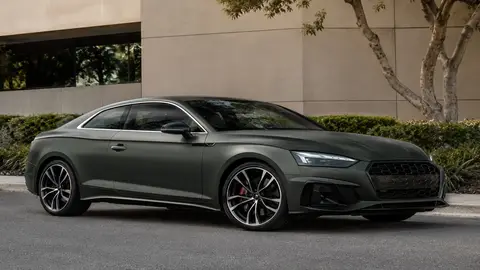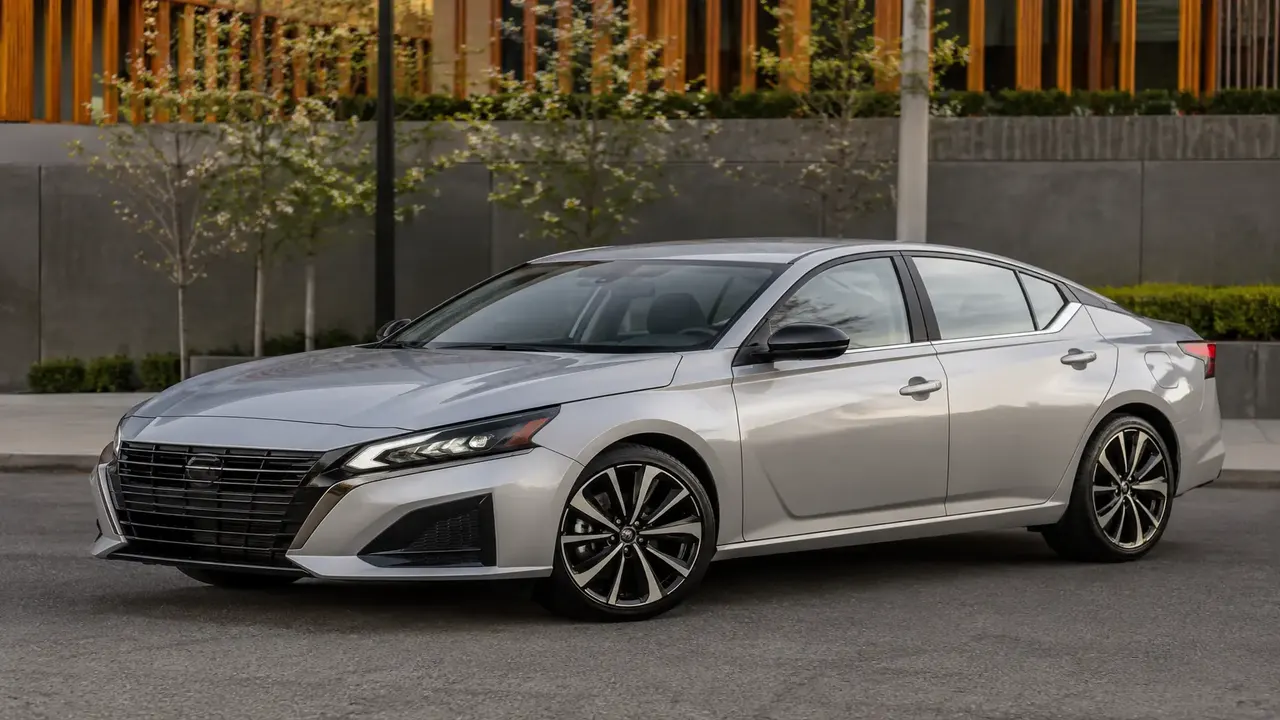
Midsize sedans (Toyota Camry, Honda Accord, Hyundai Sonata, Kia K5-class cars) typically start $4,000-$7,000 cheaper than a comparably equipped midsize SUV from the same brand, while returning 5-10 mpg better fuel economy on average. Hybrid midsize sedan variants now routinely top 40-50 mpg combined, making the segment one of the best value plays for buyers who don't need SUV ground clearance or all-wheel drive.
At a glance
| What matters | Typical figure | Why it matters |
|---|---|---|
| Starting price vs. equivalent SUV | $4,000-$7,000 less | More car, more tech, for less money |
| Combined fuel economy (gas) | 28-32 mpg | Meaningfully better than most midsize SUVs |
| Combined fuel economy (hybrid trim) | 40-52 mpg | Best-in-class efficiency, no plug required |
| Trunk space | 15-16 cu ft | Smaller than an SUV's cargo hold, still ample for most families |
Why the midsize sedan is still worth considering
Midsize sedans lost the popularity contest to SUVs over the past decade, but they never lost the engineering advantages: a lower center of gravity for better handling, less frontal area for better aerodynamics and fuel economy, and typically a lower base price than an equivalent SUV from the same manufacturer. Because demand has shifted away from sedans, buyers can often negotiate better deals and incentives on them than on comparable SUVs.
The hybrid factor
Nearly every major midsize sedan now offers a hybrid variant, and several (Toyota Camry, Honda Accord) have made hybrid power either standard or the dominant trim mix. These hybrids post real-world combined fuel economy in the 40-52 mpg range without requiring a home charger or any change in driving habits, making them a practical stepping stone for buyers not ready to go fully electric.
What separates the top contenders
- Ride and handling balance — sedans generally out-corner and feel more planted at highway speed than SUVs.
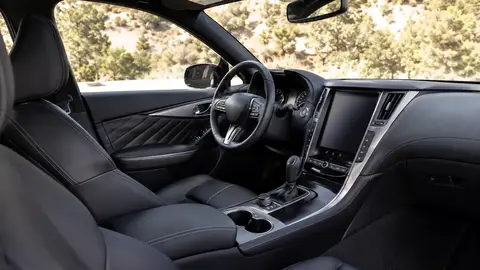
- Interior tech — most midsize sedans now include a large touchscreen, wireless phone integration, and a full driver-assist suite even on mid trims.
- Rear-seat space — genuinely competitive with compact SUVs, though headroom in sloped-roof designs can be tight for very tall passengers.
- Reliability reputation — Toyota and Honda continue to lead independent reliability surveys in this segment.
Where sedans still lose to SUVs
Ground clearance, all-wheel-drive availability, and cargo versatility (fold-flat seats plus a hatch/liftgate) remain SUV advantages. Families who regularly haul bulky cargo, live somewhere with serious snow, or want a higher seating position for visibility will still be better served by a compact or midsize SUV, even at a higher price.
Depreciation and resale
Because SUV demand dominates the used market, midsize sedans from top-reliability brands (Toyota, Honda) still hold value reasonably well, while sedans from brands with weaker reliability reputations can depreciate faster than an equivalent SUV. Checking brand-specific resale data matters more than segment-wide assumptions here.
Don't assume a sedan is automatically cheaper to insure than an SUV — insurance rates depend more on safety ratings, repair costs, and theft rates than body style. Get a quote before you buy, not after.
Buying tips
- Compare the hybrid and gas versions of your finalist — the price gap has narrowed and the fuel savings often pay it back within a few years.
- Sit in the back seat before buying if rear-seat space matters — sloped rooflines vary a lot by model.
- Check current manufacturer incentives — sedans often carry larger rebates than SUVs from the same brand.
- Look at brand-specific reliability data rather than assuming all midsize sedans hold value the same way.
Frequently asked questions
Are midsize sedans cheaper than SUVs?
Do midsize sedans get better gas mileage than SUVs?
Which midsize sedans are most reliable?
Is a hybrid midsize sedan worth the extra cost?
Do midsize sedans hold their resale value?
Sources & further reading
- U.S. Department of Energy — Fuel Economy comparisons by model
- Consumer Reports — Sedan reliability rankings
- Kelley Blue Book — Midsize sedan reviews and pricing
Figures, prices and policy details were current at the last-updated date above. Automotive pricing, incentives and regulations change frequently — verify time-sensitive details with the linked primary sources. Read our editorial policy and fact-checking standards.