Full-size pickup trucks with the right towing package lead the segment, with properly equipped models capable of towing 10,000–14,000+ lbs, while heavy-duty trucks can exceed 20,000 lbs with a gooseneck or fifth-wheel setup. Body-on-frame large SUVs typically tow 7,000–9,500 lbs. The advertised maximum almost always applies to a specific single-occupant, no-cargo configuration — real-world safe towing capacity for a loaded truck with passengers and gear is meaningfully lower than the headline number.
At a glance: towing capacity by vehicle class
| Vehicle class | Typical max towing (properly equipped) |
|---|---|
| Half-ton pickup trucks | 10,000–14,000+ lbs |
| Heavy-duty pickup trucks | 20,000+ lbs with gooseneck/fifth-wheel setup |
| Body-on-frame large SUVs | 7,000–9,500 lbs |
| Unibody midsize/large SUVs | 3,500–7,700 lbs |
| Midsize pickup trucks | 6,000–7,500 lbs |
Why the headline towing number can be misleading
Manufacturers advertise a vehicle's maximum towing capacity based on a best-case configuration: a specific engine, axle ratio, and towing package, typically with only a driver aboard and no cargo. Add passengers, cargo, and aftermarket accessories, and the safe towing margin drops — sometimes by over 1,000 lbs. The number on the window sticker or spec sheet should be treated as a ceiling for that exact configuration, not a guarantee for your setup.
What actually determines real-world towing capability
Payload capacity, not just towing capacity, is often the limiting factor buyers overlook — the tongue weight of a trailer counts against the vehicle's payload rating, and a heavily loaded truck bed or cabin reduces how much tongue weight remains available. The towing package itself matters too: factory tow packages typically add a stronger cooling system, upgraded brakes, and a specific rear axle ratio that aftermarket hitches alone can't replicate.
Where different vehicle classes fit
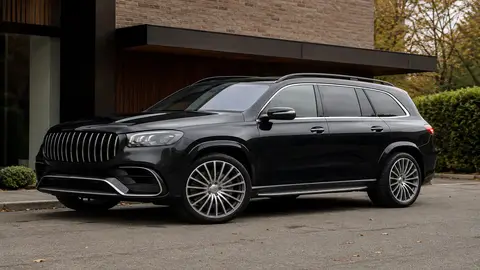
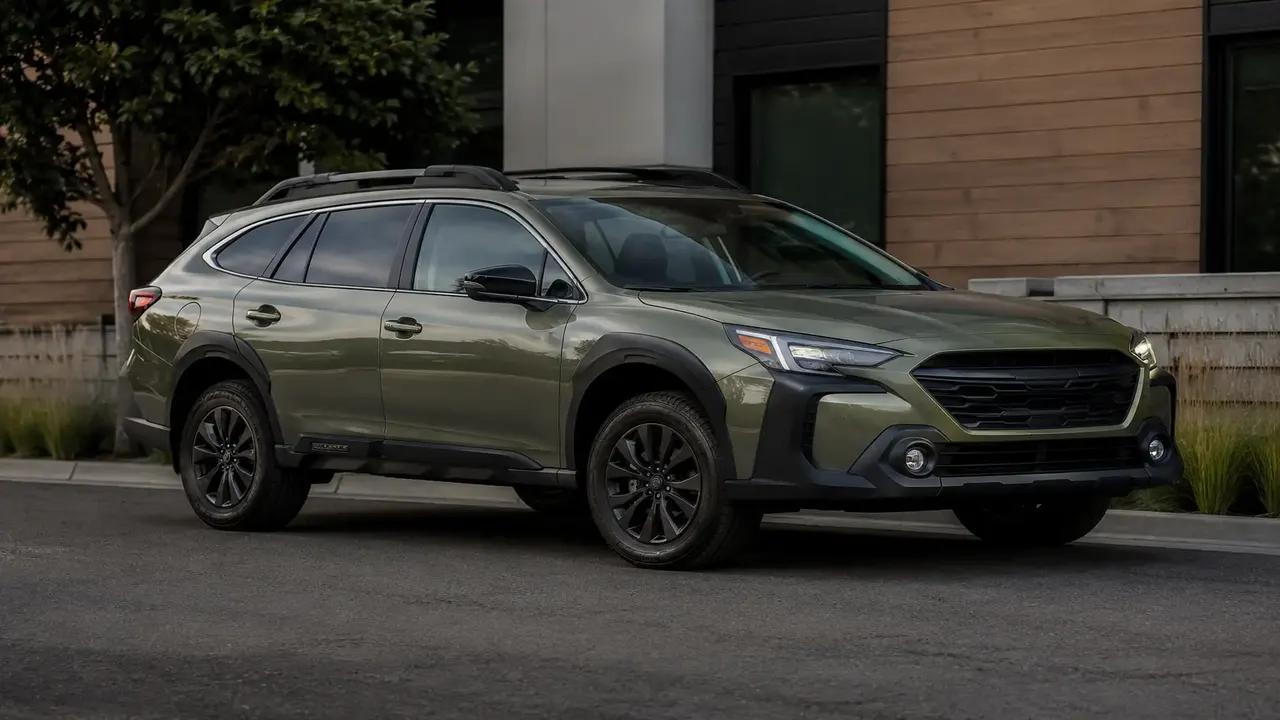
Full-size half-ton pickups with a proper tow package are the most common choice for boats, campers, and mid-size trailers, generally topping out in the 10,000–14,000-lb range depending on configuration. Heavy-duty pickups exist for loads beyond that, commonly used for large fifth-wheel campers or commercial trailers. Body-on-frame SUVs offer a meaningful chunk of truck-like towing capability with more passenger comfort, while unibody SUVs and midsize trucks cover lighter-duty towing needs like small utility trailers or compact campers.
Mistakes that lead to overloaded or unsafe towing setups
- Assuming the advertised maximum towing figure applies to your specific trim without checking the actual build sheet
- Ignoring payload capacity and tongue weight limits in favor of the towing capacity number alone
- Skipping a factory or properly rated aftermarket towing package for anything beyond very light trailers
- Not accounting for the weight of passengers, fuel, and cargo already in the tow vehicle before adding the trailer
How to shop for a towing vehicle properly
Start with the loaded weight of what you actually intend to tow, then work backward to a vehicle and configuration with meaningful margin above that figure — most experienced tow-vehicle buyers recommend staying comfortably under the advertised maximum rather than shopping right at the limit. Confirm the exact towing package, axle ratio, and payload rating on the specific vehicle configuration you're buying, since these can vary substantially within the same model line.
Brakes and cooling matter as much as raw power
A vehicle with plenty of engine power but an underspecified braking or cooling system for heavy towing will still struggle on long grades or in hot weather. Factory towing packages typically address both, which is one reason a properly optioned truck outperforms a theoretically more powerful one without the towing hardware.
Calculate the trailer's fully loaded weight, not its empty weight, and compare it against the tow vehicle's payload and towing capacity for the exact trim and options you're considering — not the model's advertised maximum.
Frequently asked questions
What's the difference between towing capacity and payload capacity?
How much can a full-size pickup truck tow?
Do I need a factory towing package?
Can an SUV tow as much as a pickup truck?
Why is my vehicle's real-world towing limit lower than the advertised maximum?
Sources & further reading
- SAE International — J2807 towing capacity testing standard
- NHTSA — Vehicle weight ratings and towing safety guidance
Figures, prices and policy details were current at the last-updated date above. Automotive pricing, incentives and regulations change frequently — verify time-sensitive details with the linked primary sources. Read our editorial policy and fact-checking standards.