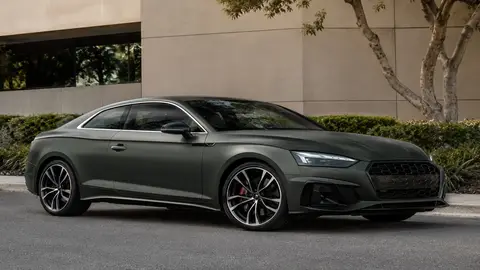
Small turbocharged engines, typically 1.0–1.5 liters displacement, now commonly produce 120–180 horsepower — output that used to require a larger naturally aspirated engine — while returning better fuel economy at cruising speed. The best implementations minimize turbo lag (the delay between pressing the accelerator and feeling full power) through smaller turbos and revised gearing; the weaker implementations feel flat off the line before power arrives in a sudden, less predictable surge.
At a glance: small turbo engines
| Factor | Typical detail |
|---|---|
| Common displacement | 1.0–1.5 liters, often 3-cylinder or small 4-cylinder |
| Typical output | 120–180 horsepower |
| Main benefit | Midsize-engine power with better cruising fuel economy |
| Main trade-off | Turbo lag and, on some engines, higher long-term maintenance complexity |
| Best-implemented examples | Engines paired with well-matched gearing that minimizes low-rpm lag |
Why automakers downsized engines and added turbos
The shift to small turbocharged engines was driven primarily by tightening fuel economy and emissions regulations. A smaller engine burns less fuel at steady cruising speeds, while the turbocharger supplies extra power on demand for acceleration and merging — giving buyers something close to the performance of a larger engine without paying its full-time fuel economy penalty.
What separates a well-executed small turbo from a mediocre one
The best examples minimize turbo lag through smaller, quicker-spooling turbochargers and transmission gearing tuned to keep the engine in its effective power band. Poorly matched implementations can feel sluggish from a stop, then deliver a sudden surge of power once boost arrives — a less predictable, less enjoyable driving experience, and arguably a real-world safety consideration when merging or passing.
Real-world fuel economy versus the sticker figure
Small turbo engines often show their best fuel economy numbers on the official test cycle, which emphasizes steady, moderate driving. Aggressive or hilly real-world driving that keeps the turbo spooled more often can narrow or eliminate the fuel economy advantage over a larger naturally aspirated engine — a widely reported gap between rated and real-world mpg in this engine category.
Maintenance considerations specific to small turbo engines
- Turbocharged engines generally require full-synthetic oil and stricter adherence to oil-change intervals
- Some small-displacement turbo engines have had documented issues with oil consumption or timing-chain wear in certain generations
- A turbocharger itself is an additional component that can fail and is comparatively costly to replace
- Regular highway driving that fully warms the engine helps turbo longevity more than short, stop-and-go trips
Who benefits most from a small turbo engine
Drivers who want strong low-end torque for city driving and highway merging, without stepping up to a larger, thirstier engine, get the most benefit from this format. Buyers planning very high annual mileage or who prioritize long-term simplicity may still prefer a larger naturally aspirated engine or a well-proven hybrid powertrain, both of which generally carry fewer turbo-specific maintenance considerations.
Common mistakes buyers make
Expecting the EPA/official fuel economy rating to hold up under aggressive driving, skipping full-synthetic oil to save money on maintenance, and assuming all small turbo engines behave the same — turbo lag and long-term reliability vary meaningfully between manufacturers and even between generations of the same engine family.
Small turbo engines have widely varying reliability track records by specific engine family and model year. Check for manufacturer service bulletins or known issues on the exact engine code before buying a used example.
Frequently asked questions
Why do small cars have turbocharged engines now?
Do small turbo engines really save fuel in real-world driving?
What is turbo lag?
Do turbocharged small cars need special maintenance?
Are small turbo engines reliable long-term?
Sources & further reading
Figures, prices and policy details were current at the last-updated date above. Automotive pricing, incentives and regulations change frequently — verify time-sensitive details with the linked primary sources. Read our editorial policy and fact-checking standards.