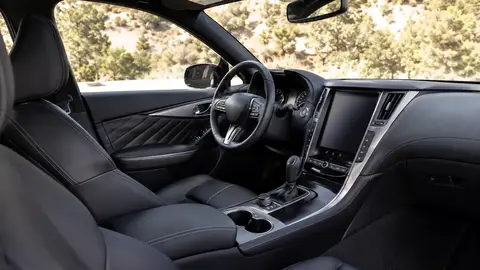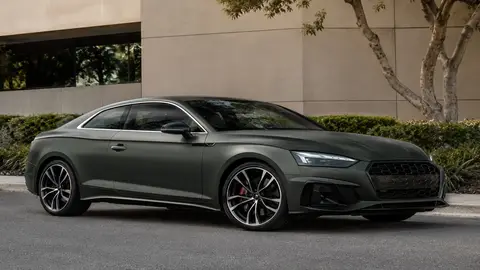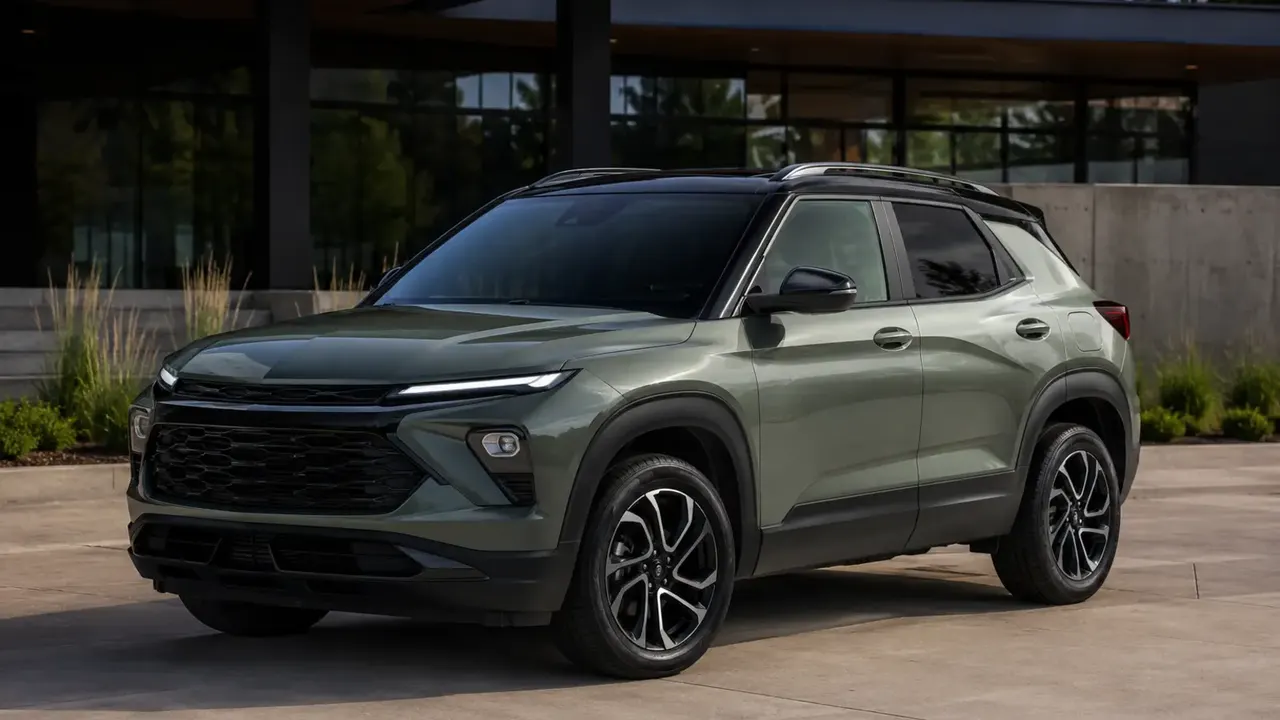
Instructors and track-day organizers consistently recommend light, modestly powered, rear-wheel-drive or well-balanced front-wheel-drive cars for beginners — typically under 250 horsepower — over high-power sports cars, because they're more forgiving at the limit and let new drivers focus on line, braking points, and car control instead of managing excess power. Affordable, widely available platforms with strong aftermarket and community support tend to top beginner recommendations, since parts, tires, and knowledgeable help are easier to find.
At a glance: what makes a good beginner track car
| Factor | Why it matters for beginners |
|---|---|
| Power level | Under ~250 hp keeps the car within a new driver's ability to manage safely |
| Weight | Lighter cars are more forgiving and easier to learn car control in |
| Drivetrain balance | Neutral-handling rear-wheel-drive or well-sorted front-wheel-drive cars teach good habits |
| Parts and tire cost | Affordable consumables matter since track days are hard on brakes and tires |
| Community support | Widely used platforms have more track-specific knowledge and aftermarket parts available |
Why more power is the wrong place to start
New track drivers consistently improve faster in cars that don't punish small mistakes. A high-horsepower car amplifies the consequences of getting on the throttle too early out of a corner or misjudging a braking point, while a modest, well-balanced car lets a beginner explore the limits of grip and braking at a pace where mistakes are recoverable. Most experienced instructors recommend prioritizing chassis balance and predictability over raw power for a first track car.
What experienced instructors actually recommend
Light, affordable sports cars and hot hatches with a strong reputation for balanced, predictable handling are the most commonly recommended starting point. These cars tend to communicate clearly when they're approaching the limit of grip, which is exactly the feedback a new driver needs to learn from. Cars with a strong owner community and track-day following also make it easier to find setup advice, common failure points to watch for, and affordable performance parts.
Why running costs matter more at the track than on the street
Track driving is dramatically harder on brakes, tires, and fluids than street driving. A car with affordable, widely available brake pads and tires will cost meaningfully less to run for a full season of track days than one with exotic or hard-to-source consumables, even if the cars themselves cost about the same to buy.
What to avoid for a first track car
- High-horsepower cars that mask driver mistakes with power rather than rewarding good technique
- Cars with expensive, hard-to-source brake pads, tires, or fluids for track use
- Heavily modified used cars from an unknown history, where hidden mechanical stress from prior track use isn't visible
- All-wheel-drive performance cars, which can mask handling feedback beginners need to learn from
Preparing the car, not just choosing it
Even a great beginner platform needs basic track preparation: fresh brake fluid (which absorbs moisture and can boil under repeated hard braking), good-condition tires, and a technical inspection to catch worn suspension or brake components before they fail under track stress. Most track-day organizers require this kind of basic tech inspection before allowing a car on track.
Common mistakes new track-day drivers make
Buying more car than their current skill level needs, skipping instructor-led beginner sessions in favor of jumping straight into open lapping, and neglecting basic track prep like brake fluid and tire condition, which cause more beginner track-day problems than driver error alone.
Most track-day organizers require a technical inspection and a helmet meeting a specific safety rating. Check the organizer's requirements well before the event, since rental helmets and last-minute tech fixes aren't always available on-site.
Frequently asked questions
What's the best type of car for a first track day?
Do I need a powerful car to enjoy track days?
What should I check on a car before its first track day?
Is all-wheel drive good for a beginner track car?
Why do running costs matter for a track car?
Sources & further reading
- SCCA — Sports Car Club of America track-day and driver-education guidance
- NASA (National Auto Sport Association) — High-performance driver education standards
Figures, prices and policy details were current at the last-updated date above. Automotive pricing, incentives and regulations change frequently — verify time-sensitive details with the linked primary sources. Read our editorial policy and fact-checking standards.