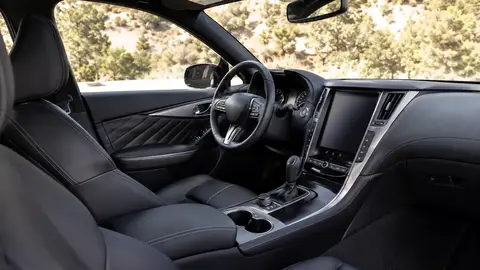
The best learner-friendly cars combine good outward visibility, predictable, non-aggressive throttle response, and modern driver-assist features like automatic emergency braking and blind-spot monitoring, which is now standard or widely available on many compact and midsize models. Small and midsize sedans and hatchbacks with moderate power (typically under 180 horsepower) tend to rank highest for learners, since they're easier to place on the road and less punishing of throttle or braking mistakes than larger or more powerful vehicles.
At a glance: what to look for in a learner car
| Factor | Why it matters for learners |
|---|---|
| Outward visibility | Low beltline and thin pillars make it easier to judge distances and blind spots |
| Moderate power | Under ~180 hp reduces the risk of unintended acceleration mistakes |
| Predictable brakes | Progressive, easy-to-modulate pedal feel matters more than short stopping distances |
| Driver-assist tech | AEB and blind-spot monitoring add a safety margin while judgment is still developing |
| Vehicle size | Compact-to-midsize footprint is easier to park and place than large SUVs or trucks |
Why 'exciting' and 'learner-friendly' rarely overlap
A new driver's biggest risk isn't lack of skill behind the wheel in isolation — it's misjudging distance, speed, or reaction time while still building the instincts experienced drivers take for granted. Cars with aggressive throttle tuning, low visibility, or a large footprint amplify those early mistakes. The best learner cars are engineered to be forgiving: predictable, easy to see out of, and modest enough in power that a heavy right foot doesn't produce a scary result.
The traits that matter most
Outward visibility tops most driving-instructor recommendations — a low beltline, thin roof pillars, and a clear view of the car's corners make it dramatically easier to judge parking, merging, and lane position. Compact and midsize sedans and hatchbacks generally outperform SUVs and trucks here, since a lower seating position and smaller footprint make the car's extremities easier to place.
Power and pedal feel
A car under roughly 180 horsepower with smooth, linear throttle tuning gives new drivers more room to make small mistakes without serious consequences. Turbocharged engines with a noticeable delayed power surge can catch a learner off guard when merging or accelerating from a stop — naturally aspirated or mildly turbocharged four-cylinders tend to be easier to modulate.
Driver-assist features worth prioritizing
- Automatic emergency braking — now standard on the vast majority of new cars in the US, UK, and EU
- Blind-spot monitoring — especially valuable before a driver has fully internalized shoulder-check habits
- Rearview camera — legally required on new cars in the US since 2018 and standard across most global markets
- Lane-departure warning — useful, though some learners find persistent alerts distracting at first
What to avoid for a first car
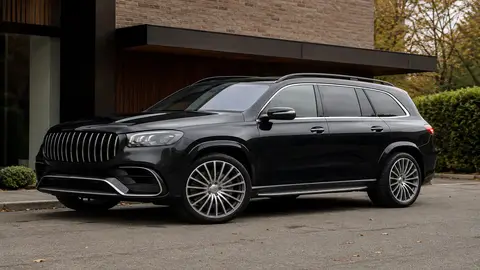
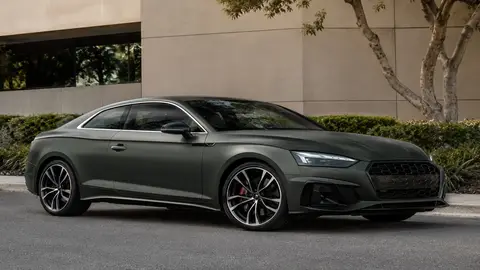
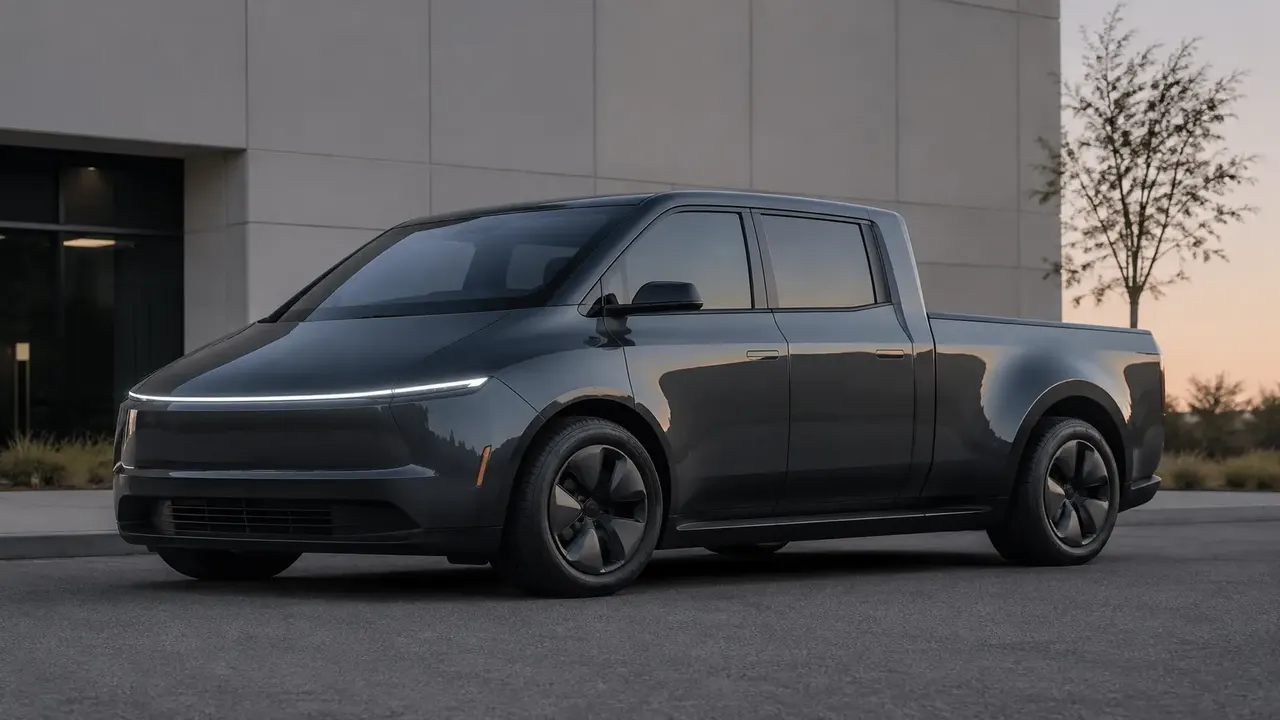
High-performance trims, large trucks and SUVs with poor rear visibility, and manual-transmission cars for drivers who haven't practiced extensively on one are the most commonly flagged mismatches. None of these are unsafe cars in general — they simply demand more established skill than a brand-new driver typically has.
A note on manual transmissions
Learning to drive a manual isn't inherently harder long-term, but combining that learning curve with general road judgment at the same time increases workload during an already demanding period. Many instructors recommend building confidence in an automatic first, if that flexibility is available.
Insurance costs for new drivers vary enormously by vehicle — a modest, safety-equipped compact typically costs meaningfully less to insure a teen driver in than a sports coupe or large SUV. Get insurance quotes before finalizing the choice.
Frequently asked questions
What type of car is best for a new driver?
Should a new driver learn on an automatic or manual transmission?
Are SUVs good learner cars?
Do learner-friendly cars cost more to insure?
Is automatic emergency braking worth prioritizing for a first car?
Sources & further reading
Figures, prices and policy details were current at the last-updated date above. Automotive pricing, incentives and regulations change frequently — verify time-sensitive details with the linked primary sources. Read our editorial policy and fact-checking standards.