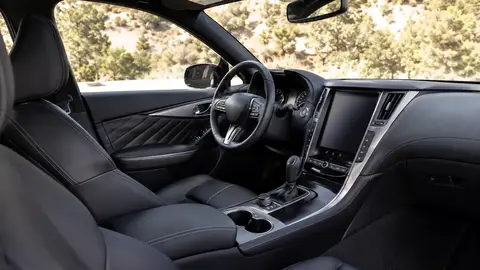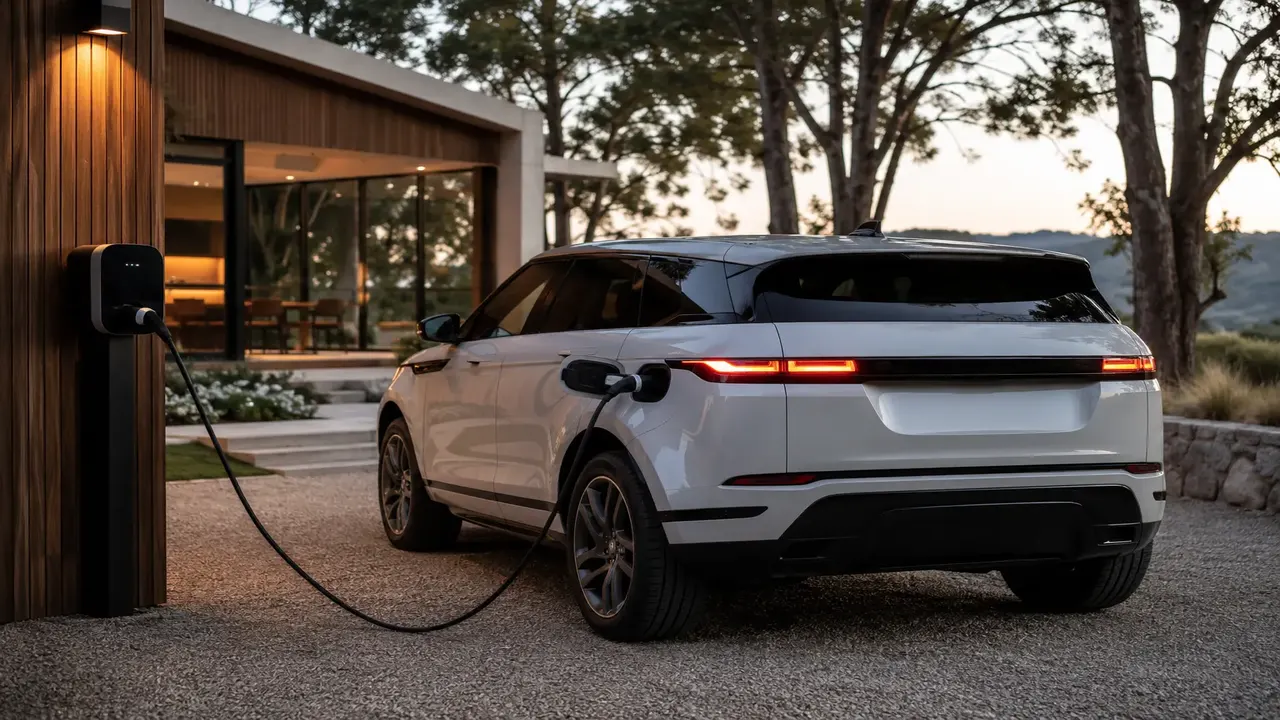
Used EVs commonly sell for 30-50% less than their original price within the first three years, well ahead of the average depreciation curve for gas cars. The trade-off is that you inherit the battery's history, so verifying battery health, remaining manufacturer warranty coverage, and charging habits matters more than mileage alone. As of late 2025, the federal used clean vehicle tax credit that once offset some of that gap has ended, which changes the used-vs-new math — check current incentive status before assuming a credit applies.
At a glance: used EV vs new EV checklist
| Check | Why it matters |
|---|---|
| Battery state of health (SOH) | Tells you real remaining range vs the original EPA rating |
| Remaining battery warranty | Most EV batteries are warrantied 8 years/100,000 miles from original in-service date |
| Charging history | Frequent DC fast-charging can accelerate degradation slightly more than home Level 2 charging |
| Software/model-year features | Older EVs may lack later software updates for range, charging speed, or safety tech |
| Incentive eligibility | Federal used/new clean vehicle credits ended in the U.S. as of late 2025 — confirm current status |
Why used EVs are worth comparing before you buy new
Electric vehicles have depreciated faster than the broader used-car market over the past few years, driven by rapid range and technology improvements, changing incentive rules, and softer resale demand for older models. That's a rough outcome for the original owner, but it means a used EV two or three years old can offer a meaningful price advantage over the same model new, sometimes with most of its useful battery life still ahead of it.
Battery health matters more than odometer mileage
On a gas car, mileage is a reasonable rough proxy for wear. On an EV, the number that actually matters is battery state of health (SOH) — the percentage of original capacity the pack still holds. A low-mileage EV that was fast-charged aggressively and left at a full charge for long periods can have more degradation than a higher-mileage EV that was charged gently at home. Ask for a battery health report if the seller or dealer can provide one, or use a third-party diagnostic service that reads it directly.
- Request a battery health/state-of-charge report where available
- Ask about typical charging habits: mostly home Level 2, or frequent DC fast-charging
- Confirm the remaining balance of the battery warranty (commonly 8 years/100,000 miles from original in-service date, though terms vary by manufacturer)
- Test-drive and verify displayed range roughly matches what you'd expect for the car's age and mileage
What changed with EV tax incentives
The federal new and used clean vehicle tax credits that had been available in the U.S. ended under 2025 legislation, removing an incentive that previously narrowed the price gap between new and used EVs for eligible buyers. Some state and utility incentives may still apply, and rules vary and change, so check official current guidance before assuming a credit will reduce your price — do not rely on outdated articles that reference an active federal credit.
New EV advantages that are easy to underweight
New EVs still have real advantages: full manufacturer warranty from day one, the latest software and safety features, and no uncertainty about prior charging or accident history. For buyers who plan to keep a car for a decade or want the newest driver-assist tech, new can be the more defensible choice even at a higher upfront cost.
Comparing before you decide
The most useful comparison isn't simply sticker price — it's total cost over your expected ownership period, adjusted for the used car's remaining battery warranty coverage, its verified state of health, and any incentive eligibility on either option. A used EV with 70% of its battery warranty remaining and a confirmed healthy battery can be a strong value; one with an expired battery warranty and unknown charging history carries more risk that should be reflected in the price you're willing to pay.
Don't assume all EV batteries degrade at the same rate. Climate, charging habits, and battery chemistry all affect the curve. A battery health check is a small cost relative to the price of the car and can prevent an expensive surprise.
Frequently asked questions
Do used EV batteries degrade a lot?
Is the federal EV tax credit still available for used EVs?
How do I check a used EV's battery health before buying?
Does DC fast-charging damage EV batteries faster?
Is a used EV cheaper to own than a used gas car?
Sources & further reading
- IRS — Clean Vehicle Tax Credits
- Recurrent — used EV battery health research
- U.S. DOE — Alternative Fuels Data Center
Figures, prices and policy details were current at the last-updated date above. Automotive pricing, incentives and regulations change frequently — verify time-sensitive details with the linked primary sources. Read our editorial policy and fact-checking standards.