The evidence does not support the idea that EVs catch fire more often than petrol cars — if anything, the opposite. Battery EVs see roughly 25 fires per 100,000 vehicles, and one widely cited Swedish analysis found combustion-car fires occurred about 20 times more often than EV fires. The NFPA notes there is no current evidence that EVs are more likely to catch fire than ICE vehicles. The real difference is how an EV fire behaves: a lithium-ion battery can enter thermal runaway, burn very hot, reignite hours later, and need far more water to extinguish — often 3,000+ gallons versus 500–1,000 for a petrol car. Treat EV fires as rare but distinctive.
EV fire facts at a glance
| Question | What the data shows |
|---|---|
| Do EVs catch fire more than petrol cars? | No clear evidence they do; some studies show far fewer |
| EV fire rate | ~25 fires per 100,000 vehicles (~0.025%) |
| Main cause | Thermal runaway in lithium-ion cells (abuse/damage) |
| Cell temperature in runaway | Can exceed 800 °C within seconds |
| Water to extinguish | ~3,000–40,000 gal (vs ~500–1,000 for ICE) |
| Reignition risk | Yes — can reignite hours or days later |
Are EVs really a fire risk?
The fear of EV fires is far larger than the evidence justifies. Battery electric vehicles experience roughly 25 fires per 100,000 vehicles sold — about a 0.025% rate — and a frequently cited Swedish report found that fires in combustion-engine cars occurred around 20 times more often than in EVs. As recently as early 2026, the US National Fire Protection Association noted that current data systems do not measure EV fire frequency well, and that there is no present evidence EVs are more likely to be involved in fires than petrol cars.
The honest summary: EV fires are rare, and the headline-grabbing cases are notable precisely because they are unusual. What makes them worth understanding is not frequency but behaviour.
Why EV fires are different: thermal runaway
Most serious EV fires involve thermal runaway, a chain reaction inside lithium-ion cells triggered by electrical, thermal or mechanical abuse — for example crash damage, a manufacturing defect, or overheating. In a single cell, temperatures can exceed 800 °C within seconds, and a fire in one cell can ignite its neighbour in well under a minute, with modules spreading in as little as a few seconds each in test conditions.
Three features distinguish a battery fire from a petrol fire:
- Intensity: very high temperatures concentrated in the battery pack.
- Reignition: the pack can flare up again hours or even days after the visible fire is out, because heat lingers deep inside.
- Water demand: cooling a battery to stop runaway can take thousands of gallons — commonly 3,000 and sometimes far more — against 500–1,000 for a typical car fire.
The emergency-responder challenge
For firefighters, EV fires add hazards beyond the flames. A damaged high-voltage battery poses an electric-shock risk, and traditional suppression tactics are less effective because the fire is fed from inside a sealed pack rather than from a pool of fuel. Surveys have found a large share of firefighters — on the order of half in some studies — feel they lack sufficient training for battery fires. Fire services are responding with EV-specific protocols: identifying the vehicle, isolating high-voltage systems where safe, applying large volumes of water to cool the pack, and monitoring for reignition long after the scene appears clear.
What drivers should do
- If you smell something unusually sweet or acrid, see smoke, or hear hissing/popping from the battery area, stop safely and get everyone out immediately — do not investigate.
- Move well clear of the vehicle (battery fires can spread fast) and call emergency services, telling them it is an electric vehicle.
- Do not attempt to fight a battery fire yourself; a standard extinguisher will not cool the pack.
- After any significant crash or flood exposure, have the high-voltage system inspected before recharging or storing the car indoors.
- Charge using properly installed, rated equipment, and follow the manufacturer's guidance on damaged batteries.
Petrol and diesel cars carry tens of litres of flammable fuel and catch fire far more often than EVs in absolute terms. The goal here is not alarm but awareness: EV fires are uncommon, but they behave differently enough that the right response — evacuate, call professionals, do not improvise — is what keeps people safe.
Storage, charging and parking
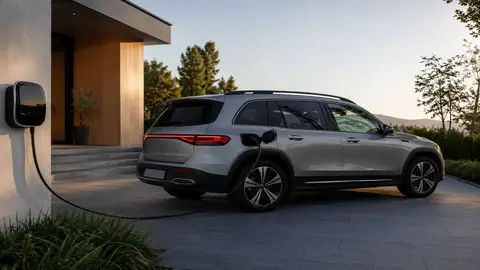
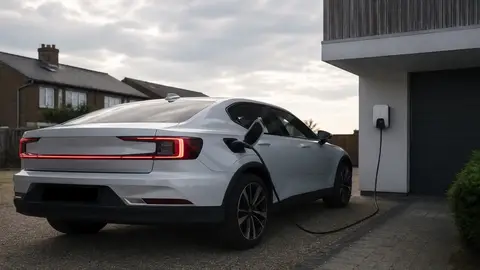
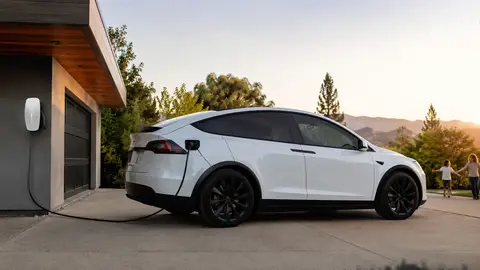
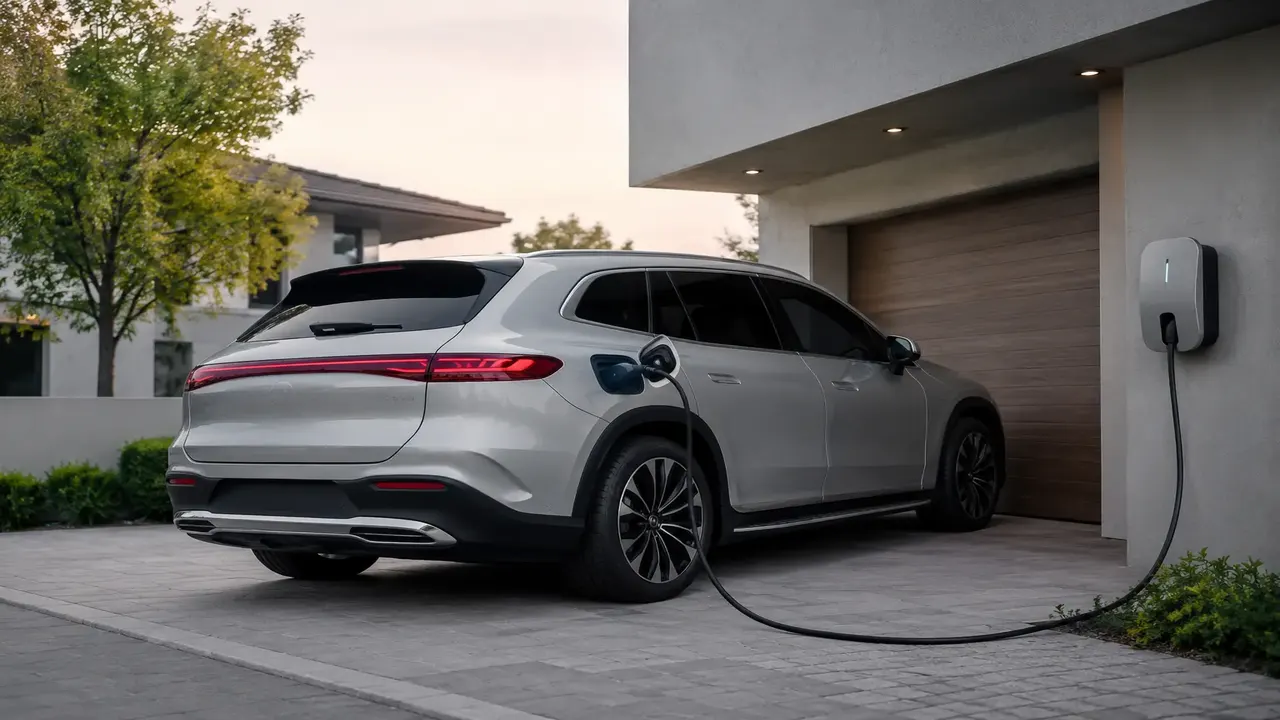
Most precautions are common sense. Use a correctly installed charger; do not charge a visibly damaged or flood-exposed battery without inspection; avoid leaving a car charging unattended for long periods if the manufacturer advises against it; and follow any guidance on parking after a collision. Building and parking codes in several regions are being updated to address battery storage and charging, particularly in enclosed car parks.
Frequently asked questions
Do electric cars catch fire more than petrol cars?
Why are EV fires harder to put out?
What should I do if my EV catches fire?
Can an EV battery reignite after the fire is out?
Is it safe to charge an EV at home?
Sources & further reading
- NTSB — Safety risks to responders from lithium-ion battery fires in EVs
- FSRI / UL — Fire safety of batteries and electric vehicles
- ConsumerAffairs — Electric car fire statistics 2026
Figures, prices and policy details were current at the last-updated date above. Automotive pricing, incentives and regulations change frequently — verify time-sensitive details with the linked primary sources. Read our editorial policy and fact-checking standards.