No, EVs are not about to crash the grid. Most charging happens overnight, when demand is lowest and the grid has substantial spare capacity, and the rollout is gradual — not a sudden spike. The real tools already exist: smart (managed) charging shifts load away from peak hours, and studies show active managed charging can roughly double a distribution grid's EV hosting capacity. The genuine challenges are local, not national — specific neighbourhoods, transformers and fast-charging hubs may need upgrades — and timing, which smart charging solves. EVs can even stabilise the grid through vehicle-to-grid and demand response. The myth confuses peak capacity with total energy.
Myth vs fact
| Common claim | Reality |
|---|---|
| EVs will overload the national grid | No — added energy is modest and gradual |
| Everyone charges at peak time | Most charge overnight, off-peak |
| The grid has no spare capacity | Substantial spare capacity exists overnight |
| More EVs = unavoidable peaks | Smart charging shifts load off peak |
| EVs only strain the grid | V2G and demand response can support it |
| The problem is national | Real constraints are local (transformers, hubs) |
Where the myth comes from
It is intuitive to assume that millions of new EVs, all needing electricity, must overwhelm a grid that was not built for them. The intuition is wrong because it confuses two different things: total energy (how much electricity EVs use over time) and peak demand (how much is drawn at the single busiest moment). EVs add a meaningful but manageable amount of total energy, and they add it gradually as adoption grows — giving utilities years, not days, to plan. The grid is not facing a sudden, system-wide shock.
Fact 1: most charging is off-peak
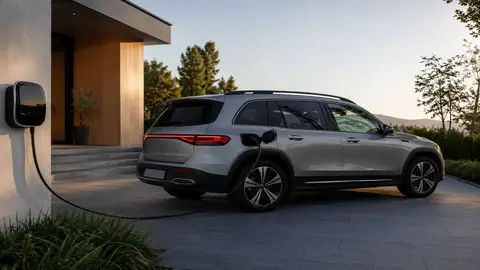
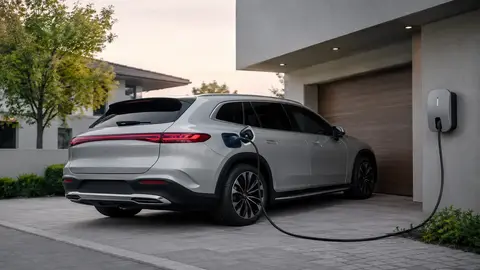
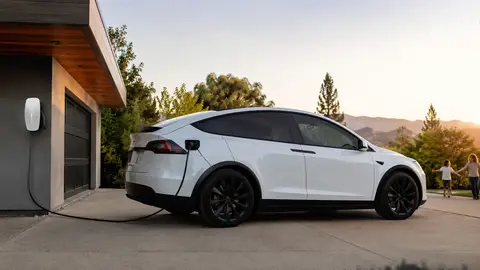
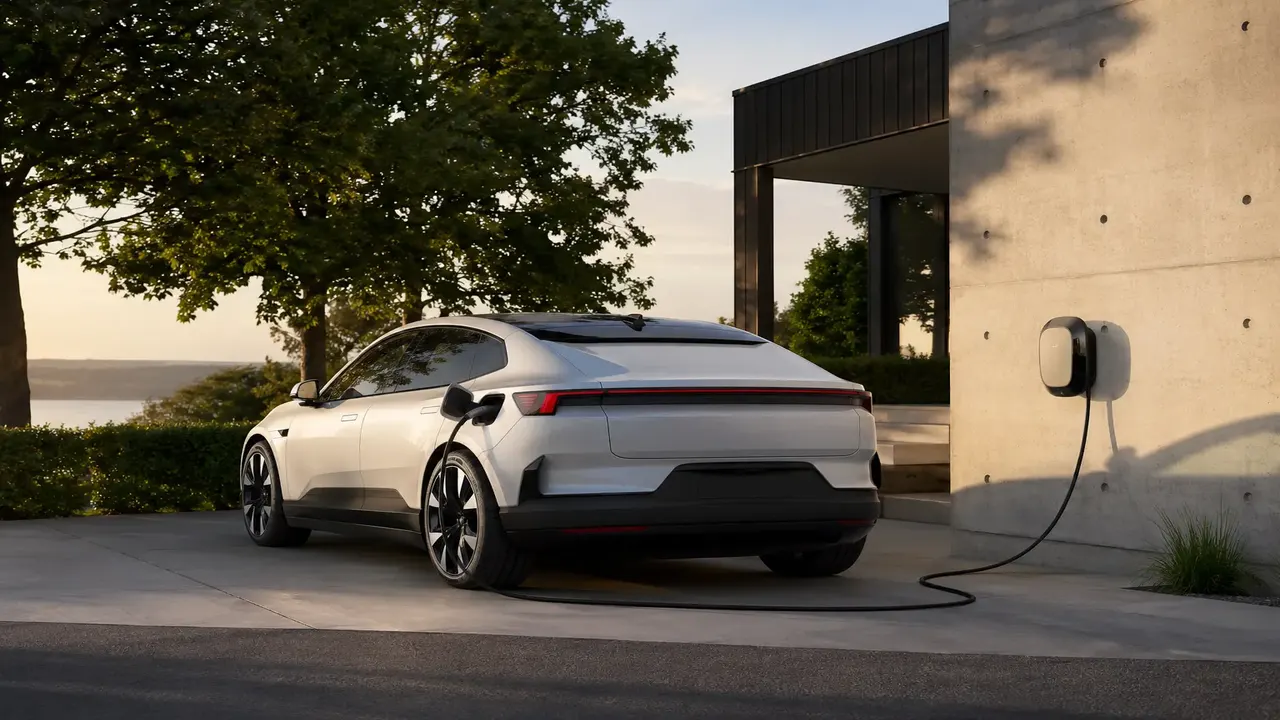
The single most important fact is when EVs charge. Most charging happens at home overnight, precisely when overall electricity demand is at its lowest and the grid has substantial spare capacity. Far from piling onto the evening peak, overnight charging helps flatten the daily demand curve by using power that would otherwise sit idle. Time-of-use tariffs reinforce this by making off-peak electricity cheaper, so drivers naturally shift charging to the early hours.
Fact 2: smart charging removes the peak risk
Where charging could coincide with peak demand, the answer already exists. Smart (managed) charging systems shift load away from peak hours using price signals, grid conditions or user preferences. Utilities increasingly run managed-charging programmes — often with automakers and software providers — that spread EV load and prevent it from creating new peaks. The impact is large: analyses show active managed EV charging can roughly double a distribution grid's EV hosting capacity, meaning far more EVs can connect without local upgrades.
A grid is sized for its busiest moment, not its average. EVs add modest total energy but, if uncontrolled, could add to local peaks. Smart charging targets exactly that — moving flexible charging to off-peak windows. This is why 'how much energy EVs use' and 'will the grid cope' are different questions with different answers.
Fact 3: EVs can support the grid
The relationship runs both ways. With vehicle-to-grid (V2G) and demand response, EVs become a flexible resource rather than just a load. A parked, plugged-in EV can pause charging when the grid is stressed, or — with V2G — feed energy back during peaks. Aggregated fleets are already piloting virtual power plant and demand-response programmes. Major automakers are rolling out V2G- and vehicle-to-home-ready platforms, with wider implementation targeted through 2026. In this model, a large EV fleet helps balance renewable generation rather than threatening stability.
The real challenges (which are local)
None of this means there is nothing to do. The genuine issues are specific and local rather than national:
- Neighbourhood transformers: a street where many neighbours charge simultaneously may need a local upgrade.
- Fast-charging hubs: high-power public sites concentrate demand and often require dedicated grid connections.
- Distribution, not generation: the constraint is usually getting power through local lines and substations, not producing enough overall.
- Planning and connection timelines: securing grid capacity for new charging sites can be slow, which is an administrative challenge as much as a physical one.
These are solvable with managed charging, targeted local investment and better connection processes — and utilities are already addressing them. They are a long way from the 'the grid will collapse' narrative.
What it means for you
- Charge overnight where you can, and use any off-peak tariff — it is cheaper and easier on the grid.
- Enable smart-charging features in your car or charger so it can shift to optimal times automatically.
- If your home or street is older, expect a possible local upgrade for high-power charging — not a sign the grid is failing.
- Watch for V2G and demand-response programmes; they may pay you for flexibility as they mature.
Frequently asked questions
Will EVs overload the power grid?
Don't EVs all charge at the same peak time?
What is smart or managed charging?
Can EVs actually help the grid?
So there are no grid problems at all?
Sources & further reading
- IEA — Vehicle-to-grid technology
- CleanTechnica — Active managed EV charging can double EV hosting capacity
- Utility Dive — Utilities use managed charging to harness EV flexibility
Figures, prices and policy details were current at the last-updated date above. Automotive pricing, incentives and regulations change frequently — verify time-sensitive details with the linked primary sources. Read our editorial policy and fact-checking standards.