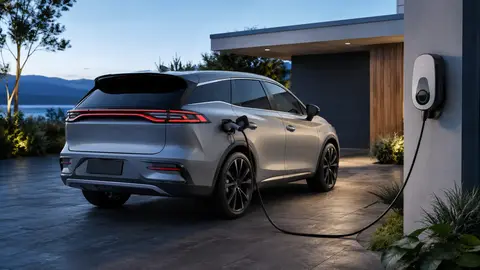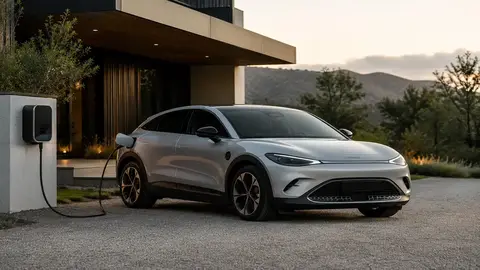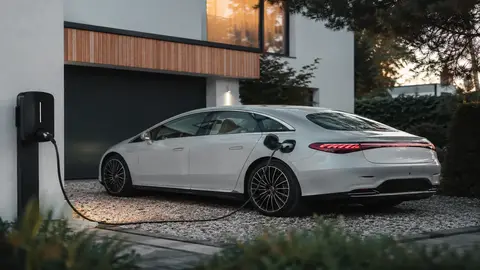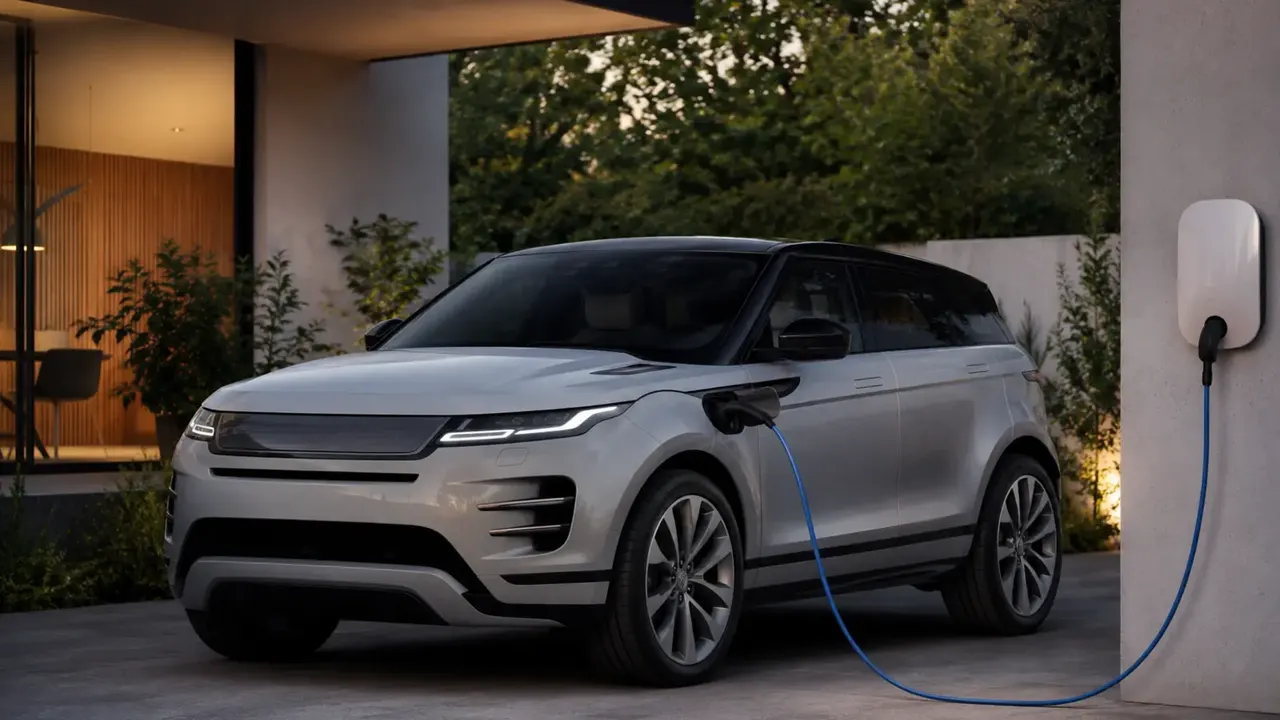
The fastest-charging EVs in 2026 use 800V architecture and peak above 400 kW, going from 10% to 80% in around 13-20 minutes. Standouts include the Xpeng G9 (~453 kW peak, ~13 minutes), Lotus Emeya/Eletre (~443 kW, ~13.5 minutes), Zeekr models (up to ~480 kW claimed) and the Lucid Gravity (~400 kW). Mainstream 800V cars like the Hyundai Ioniq 6, Kia EV6 and Porsche/Audi add 10-80% in roughly 18-22 minutes. Remember: real speed depends on the charger's power, the battery's state of charge and temperature — peak kW is only hit briefly.
Fastest-charging EVs in 2026 (claimed)
| Model | Architecture | Peak charging power | 10-80% time |
|---|---|---|---|
| Xpeng G9 | 800V | ~453 kW | ~13 min |
| Lotus Emeya/Eletre | 800V | ~443 kW | ~13.5 min |
| Zeekr (flagship) | 800V | up to ~480 kW (claimed) | ~15 min |
| Lucid Gravity | 900V+ | ~400 kW | ~23 min (123 kWh) |
| Hyundai Ioniq 6 / Kia EV6 | 800V | ~230-240 kW | ~18 min |
Why 800V is the headline
The leap in charging speed over the last few years comes mainly from moving to 800V (and beyond) electrical architecture. Higher voltage lets a car draw more power without proportionally higher current, which means thinner cabling, less heat and far higher peak charging rates. Where a typical 400V EV might peak around 150 kW, the latest 800V cars reach 400 kW and above — and that's what turns a charging stop into a coffee break.
The fastest cars in 2026
Over 400 kW: the new elite
A small group of mostly Chinese-engineered 800V cars now lead. The Xpeng G9 peaks around 453 kW and can do 10-80% in roughly 13 minutes. The Lotus Emeya and Eletre have recorded peaks near 443 kW for a 10-80% charge in about 13.5 minutes. Zeekr's flagship models claim up to around 480 kW. These are the genuine speed kings — but only when paired with the very highest-power chargers, which are still relatively rare.
Around 300-400 kW: fast and increasingly common
This band includes the Lucid Gravity (~400 kW peak, charging its large 123 kWh pack 10-80% in about 23 minutes), the Mercedes CLA (up to 320 kW, ~22 minutes), Porsche and Audi 800V models (~320 kW, ~18 minutes) and Polestar's flagship SUV (350 kW, ~22 minutes). For most drivers these deliver more than enough speed — a 20-minute stop is barely longer than a service-station break.
Mainstream 800V: the value sweet spot
You don't need a six-figure car for excellent charging. Hyundai's Ioniq 6 (~230 kW) and the Kia EV6/EV6 GT (~240 kW) ride on the same 800V E-GMP platform and do 10-80% in roughly 18-20 minutes — among the best real-world charging experiences at their price.
What actually determines your charging time
Peak kW makes great headlines but it's only hit briefly. The time you actually spend plugged in depends on several factors working together:
- Charger power: a 480 kW car on a 150 kW charger is limited to 150 kW. You need a high-power charger to see high-power numbers.
- State of charge: EVs charge fastest when fairly empty; peak power is held only across a window (often ~10-50%) before tapering.
- The charging curve: speed falls as the battery fills, which is why 10-80% is the standard quoted figure — the last 20% is always slow.
- Battery temperature: a cold pack charges slowly. Preconditioning (warming) the battery before arrival restores much of the peak.
- Battery size: a bigger pack takes longer to fill even at the same power, so a fast peak doesn't always mean a short total time.
A car with a slightly lower peak but a flatter charging curve can add more total range in 20 minutes than a rival with a higher, briefer spike. When comparing EVs, look at the 10-80% time and miles-added-in-20-minutes, not just the headline kW.
Will you actually benefit?
Only if the chargers can keep up. Ultra-high-power (350 kW+) chargers exist but are still a minority of the network, so a 480 kW car often charges at a more modest rate in practice. For everyday life this matters less than you'd think: most charging happens at home overnight, and even a 'slow' 18-minute 10-80% is plenty for the occasional road-trip stop. Fast charging is about removing friction on long journeys, not daily use.
How to get the fastest charge from any EV
- Precondition the battery — set the navigation to the charger so the car warms the pack en route.
- Arrive with a low state of charge to sit in the fast part of the curve.
- Choose a charger that can match or exceed your car's peak power.
- Stop at 80% on trips rather than waiting out the slow final fifth.
- Charge soon after driving in cold weather, while the pack is still warm.
Frequently asked questions
What is the fastest-charging EV in 2026?
Why is 800V faster than 400V?
How long does it take to fast-charge a modern EV?
Why doesn't my EV reach its peak charging speed?
Do I need the fastest-charging EV?
Sources & further reading
- InsideEVs — These EVs have the highest claimed charging power in 2026
- Recurrent — 2026 fastest-charging EVs
Figures, prices and policy details were current at the last-updated date above. Automotive pricing, incentives and regulations change frequently — verify time-sensitive details with the linked primary sources. Read our editorial policy and fact-checking standards.