True Motion Auto has not independently road-tested this vehicle. Specifications, pricing and performance figures are compiled from manufacturer technical data and published independent tests, and are attributed where quoted. Read how we review cars.
What we know so far: On the figures BMW has published, the Neue Klasse iX3 delivers on its enormous promise — a generational leap in range, charging, efficiency and interface that puts BMW back among the EV leaders. Not merely another electric SUV, but the foundation of everything BMW becomes next. Hugely impressive on paper; the driving verdict belongs to the first independent tests.
More than a car — a foundation
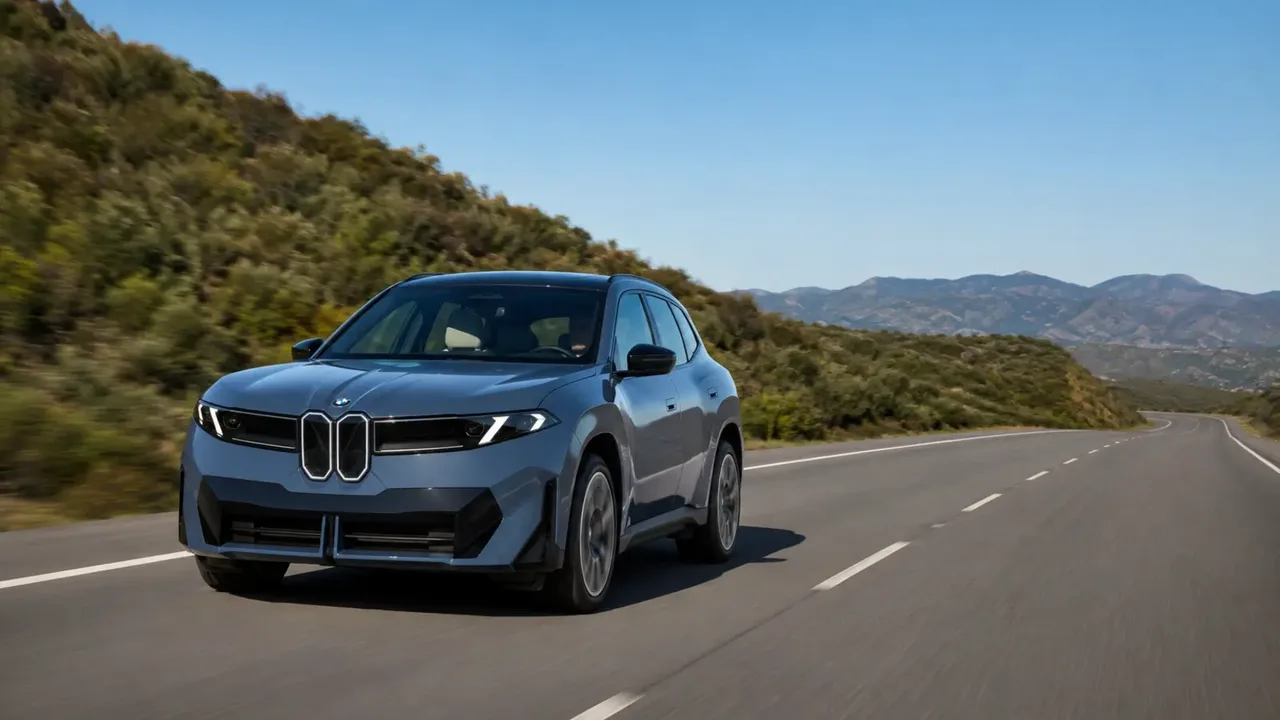
Some new cars matter more than others, and the BMW iX3 Neue Klasse matters more than almost any BMW in decades. This isn't merely a new electric SUV — it's the first product of BMW's "Neue Klasse" platform, the ground-up electric architecture that will underpin the brand's entire next generation. As we noted in our earlier launch coverage, the iX3 is the car on which BMW's electric future rests.
"Neue Klasse" (New Class) is a deliberately loaded name — it echoes the 1960s Neue Klasse saloons that saved BMW and defined its identity for a generation. Using it again signals BMW's conviction that this platform is an equally pivotal reset. On the technical evidence BMW has released, the ambition is matched by the hardware. The platform is a genuine generational leap, and it puts BMW back in contention as a serious EV engineer after a period of playing catch-up.
The generational leap
The Neue Klasse platform brings advances across every EV fundamental:
1. 800-volt architecture and next-gen batteries. New cylindrical cells and an 800-volt system deliver major improvements in energy density, charging speed and efficiency — the core hardware leap that makes everything else possible. Range and charging move decisively forward.
2. Dramatically improved range and efficiency. The Neue Klasse iX3 targets range figures that put it at the front of its class, with efficiency gains that stretch every kWh further. This is BMW answering the range question comprehensively.
3. Fast charging that competes. The 800-volt architecture enables rapid DC charging that addresses the road-trip concern — genuinely competitive top-up times that make the iX3 a proper long-distance EV.
4. The "Panoramic iDrive" interface revolution. Perhaps the most visible change: a completely reimagined interface, with information projected across the base of the windscreen (a panoramic head-up display) paired with a new central touchscreen. It's BMW rethinking the cabin interface from scratch for the electric age — a bold, genuinely new approach.
What the platform settles — and what it doesn't
The hardware leap is real and documented. An 800-volt system with new cylindrical cells is not marketing language: it is the same class of architecture that lets the Hyundai and Kia E-GMP cars charge as quickly as they do, and it changes what is possible on range, charging and efficiency. That much can be established from the specification alone, without driving anything.
Whether BMW driving character survives is the open question. Composure, steering precision and body control are what BMW buyers are actually paying for, and they are decided by damper tuning, weight distribution and steering calibration rather than by platform architecture. This is the first thing to look for in independent reviews, and nothing published so far settles it.
The interface is the biggest gamble. The panoramic windscreen display is a genuine rethink, and genuine rethinks divide people. First impressions of interfaces are notoriously unreliable — the question is whether it still makes sense on the two-hundredth journey, which only extended use answers.
Efficiency claims need independent verification. Efficiency is central to the whole Neue Klasse pitch, and test-cycle figures flatter every manufacturer. Real-world consumption in cold weather and at sustained motorway speeds is the number that decides whether the range claims mean anything, and it is not yet on the table.
Why it matters so much
The iX3's significance goes far beyond the car itself:
It's the template for BMW's entire EV future. Every Neue Klasse BMW to come — and there will be many, across the range — builds on this platform and this thinking. Get the iX3 right, and BMW's electric future is secured; get it wrong, and the whole strategy wobbles. On the technical evidence, BMW appears to have got it right.
It reasserts BMW as an EV leader. After a period where BMW's EVs (good as they were) felt like adaptations rather than statements, the Neue Klasse iX3 is BMW planting a flag — a ground-up electric car engineered to compete at the front. On the specification, it is BMW back on the front foot.
It answers the key EV questions. Range, charging, efficiency, interface — the iX3 addresses the fundamentals that determine whether an EV is genuinely good, and addresses them comprehensively. That's what makes it consequential.
What we still need to assess
Several questions cannot be answered from published data, and await independent testing:
- Long-term interface verdict — whether the panoramic display convinces over extended use, or whether its novelty fades into frustration
- Real-world range and charging — confirmed against claims, in varied conditions
- Pricing and value — how it stacks against rivals on the crucial value question
- Practicality and space — the everyday family-SUV fundamentals
- The full driving assessment — a complete verdict on dynamics, ride and refinement
We will update this page as independent tests of production cars are published.
The competition
Mercedes, Audi and the German rivals: the iX3 reasserts BMW against its traditional rivals' electric efforts — the German EV battle enters a new phase.
Tesla Model Y / premium EVs: the volume benchmark the iX3 must out-execute on range, charging and interface.
Hyundai/Kia E-GMP EVs: the excellent Korean 800-volt EVs that set the technical bar the Neue Klasse now matches.
The bottom line
The BMW iX3 Neue Klasse is the most important BMW in decades — not because it's the fastest or most luxurious, but because it's the foundation of everything BMW becomes in the electric age. The published technical evidence suggests BMW has delivered on the enormous promise: a genuine generational leap in range, charging, efficiency and interface. Whether classic BMW driving character survives the transition is the question independent testing will answer. It reasserts the brand as a serious EV leader and sets the template for its entire electric future. On paper it is hugely impressive; the driving verdict awaits cars in testers' hands. But on the evidence available, the Neue Klasse lives up to its loaded name — and BMW's electric future looks genuinely bright. We will update this page as the first independent reviews land.
Key takeaways
- The BMW iX3 Neue Klasse is the first product of BMW's ground-up electric platform — the foundation of the brand's entire EV future
- It brings a generational leap: 800-volt architecture, next-gen cells, dramatically improved range/efficiency, and fast charging
- The reimagined "Panoramic iDrive" interface (windscreen-projected display) is a bold rethink of the cabin for the electric age
- On the published figures it is a genuine leap; whether classic BMW driving character survives is for independent testing to confirm
- Still unsettled: the interface over long-term use, real-world range and charging, pricing and practicality
Sources & further reading
- BMW press materials
- Neue Klasse platform documentation. True Motion Auto has not driven this car; updated as independent tests are published. Verified July 2026.
Figures, prices and policy details were current at the last-updated date above. Automotive pricing, incentives and regulations change frequently — verify time-sensitive details against the primary sources listed below. Read our editorial policy and fact-checking standards.