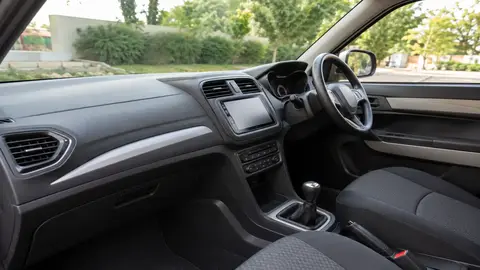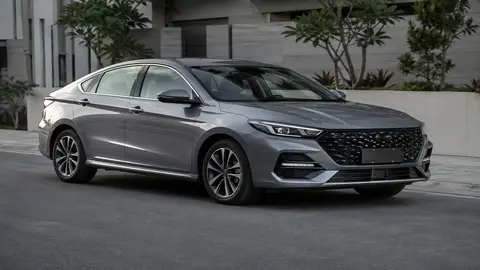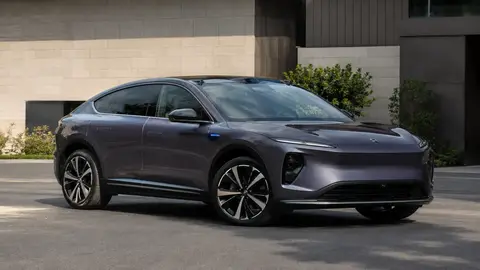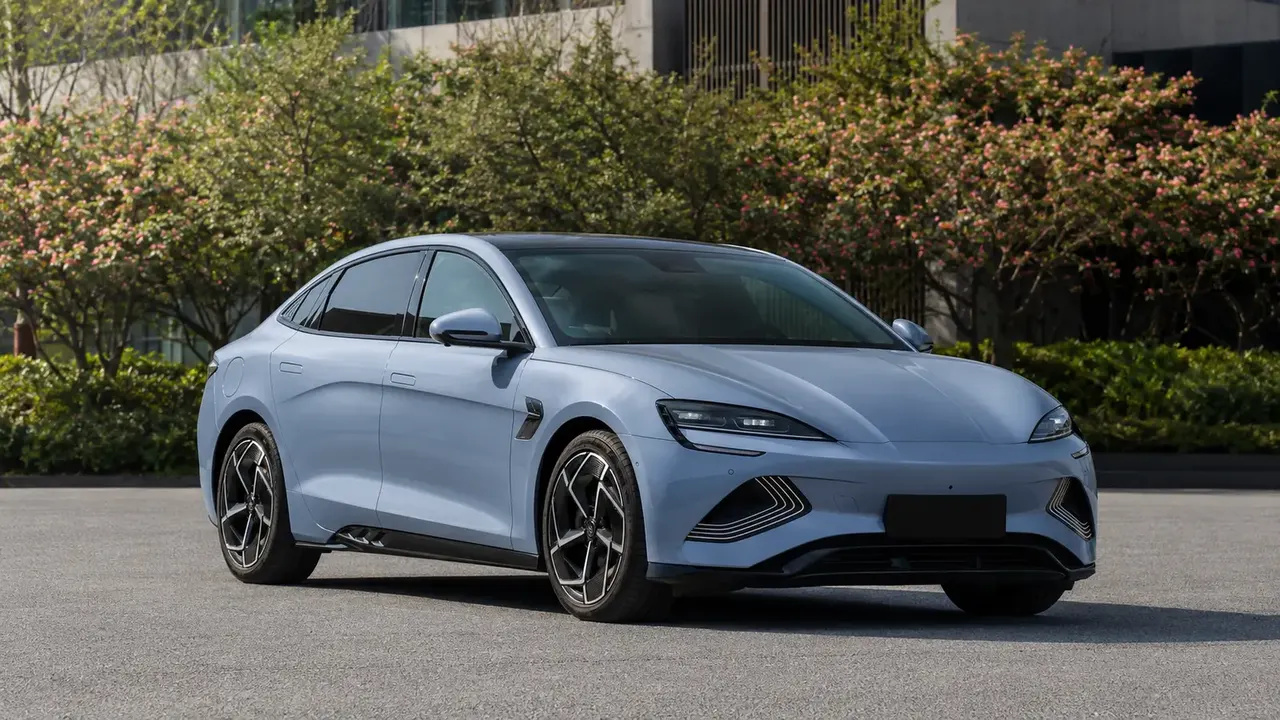
Hatchbacks (roughly ₹5-10 lakh ex-showroom) suit single/couple city driving and tight parking; sedans (roughly ₹8-18 lakh) suit families wanting boot space and highway comfort with a lower profile than an SUV; compact SUVs (roughly ₹8-16 lakh) are now India's best-selling segment because of higher ground clearance (helpful for speed breakers and poor roads) and commanding driving position, at a modest fuel-efficiency cost versus a hatchback. Choose based on typical daily use (city vs highway), family size, and parking, not badge preference alone.
Segment comparison
| Segment | Typical price range (ex-showroom) | Best for |
|---|---|---|
| Hatchback | ₹5-10 lakh | City driving, tight parking, 1-2 daily occupants |
| Sedan | ₹8-18 lakh | Highway comfort, larger boot, business/family use |
| Compact SUV | ₹8-16 lakh | Higher ground clearance, families, mixed city/highway |
| Mid-size/full-size SUV | ₹15-35 lakh+ | Larger families, frequent highway/rough-road use |
| MPV (multi-purpose vehicle) | ₹10-20 lakh | 7-seater family use, maximum interior flexibility |
Why the compact SUV has become India's default choice
Compact SUVs now outsell sedans and often hatchbacks in many price brackets, largely because of two practical factors: ground clearance (typically 180-210mm vs 160-170mm for a sedan or hatchback), which handles speed breakers, potholes and mild flooding better, and a higher, commanding seating position that many Indian buyers simply prefer for visibility in dense traffic. The trade-off is usually slightly worse fuel efficiency (due to more weight and worse aerodynamics) and a higher price for equivalent features versus a hatchback.
Matching segment to actual use
Mostly city driving, 1-2 people
A hatchback remains the most sensible choice — easiest to park in dense urban areas, cheapest to maintain, and typically the best fuel efficiency in its price bracket. A compact SUV adds cost and bulk that's rarely justified by pure city commuting.
Family of 3-5, mix of city and occasional highway trips
This is where sedans and compact SUVs compete most directly. A sedan usually offers a bigger boot and better ride quality at highway speed for the same budget; a compact SUV offers more ground clearance and a commanding view, useful if your routes include poor road surfaces, unpaved stretches, or frequent flooding-prone areas.
Family of 5+ or frequent long-distance/rough-road travel
A mid-size SUV or a 7-seater MPV becomes worth the higher price and running cost — third-row seating (even if occasionally used) and higher ground clearance pay off on longer trips with more passengers and luggage.
Running cost differences to plan for
| Segment | Approx. real-world mileage (petrol) | Approx. annual road tax difference |
|---|---|---|
| Hatchback | 18-22 km/l | Lowest (smaller engine/lower price slab) |
| Sedan | 15-19 km/l | Moderate |
| Compact SUV | 14-18 km/l | Moderate to higher (engine size/price slab) |
| Mid/full-size SUV | 10-15 km/l | Highest (larger engine, higher price slab in most states) |
Don't ignore parking and daily practicality
A larger SUV that's genuinely useful on weekend highway trips can become a daily headache if your home or office parking is tight — measure your regular parking spots (including narrow society gates and mechanical parking lifts common in Indian apartment complexes) before committing to a bigger footprint car.
Fuel type also shapes the right segment choice
- High annual city mileage (12,000+ km/year) — CNG variants (where available) in hatchback/compact SUV segments can cut running costs substantially, at some cost to boot space.
- Frequent highway driving — diesel still holds a mileage advantage at higher speeds for larger vehicles, though the price premium and stricter emissions norms have narrowed diesel's appeal versus a decade ago.
- Mostly short trips, access to home charging — an electric hatchback or compact SUV is increasingly viable; see our EV ownership guides for range and charging considerations.
Don't size up 'just in case' for rare use cases (an annual family road trip, say) if it meaningfully hurts your daily parking, fuel cost and price — renting a bigger car for the occasional trip is often cheaper than owning one year-round.
Frequently asked questions
Is a compact SUV better than a sedan for Indian roads?
Which car segment has the best resale value in India?
Is a hatchback enough for a family of four in India?
Do SUVs use more fuel than sedans in India?
Should I buy a bigger car for occasional long trips?
Sources & further reading
- Society of Indian Automobile Manufacturers (SIAM) — segment sales data
- Parivahan Sewa — state road tax slabs by vehicle category
Figures, prices and policy details were current at the last-updated date above. Automotive pricing, incentives and regulations change frequently — verify time-sensitive details with the linked primary sources. Read our editorial policy and fact-checking standards.