Rain itself typically cuts EV range by only around 5-10%, mainly from wipers, headlights and increased rolling resistance on wet roads — far less than cold-weather range loss seen in other countries. EVs sold in India are rated to at least IP67, meaning they can handle splashing and temporary shallow submersion (roughly up to 1 metre for about 30 minutes under the standard's test conditions), making charging in light rain safe. The real monsoon risks are driving or charging in deep waterlogged streets and outdoor charging points without proper weatherproofing, not rain itself.
Monsoon and EV range/charging at a glance
| Factor | Typical impact |
|---|---|
| Rain/wet roads on range | ≈5-10% reduction (wipers, lights, rolling resistance) |
| Battery/motor water rating (most EVs) | IP67 or better — splash and brief shallow submersion safe |
| Charging in light-to-moderate rain | Safe — connectors are sealed and designed for outdoor use |
| Driving through deep waterlogged roads | Risky — avoid water deeper than manufacturer's wading guidance |
| High humidity effect on battery | Minimal direct effect; more relevant is corrosion risk on connectors over time |
Why rain has a smaller effect on range than people assume
Unlike cold weather, which meaningfully slows battery chemistry and cuts range by 20-30% in freezing conditions elsewhere in the world, India's monsoon rain is a mild-temperature event. The actual range hit comes from secondary draws: wipers, headlights and demisters running continuously, and higher rolling resistance from water on the road surface. Combined, these typically account for a 5-10% range reduction — noticeable, but far from dramatic, and comparable to running the AC hard on a hot day.
Is it safe to charge an EV in the rain?
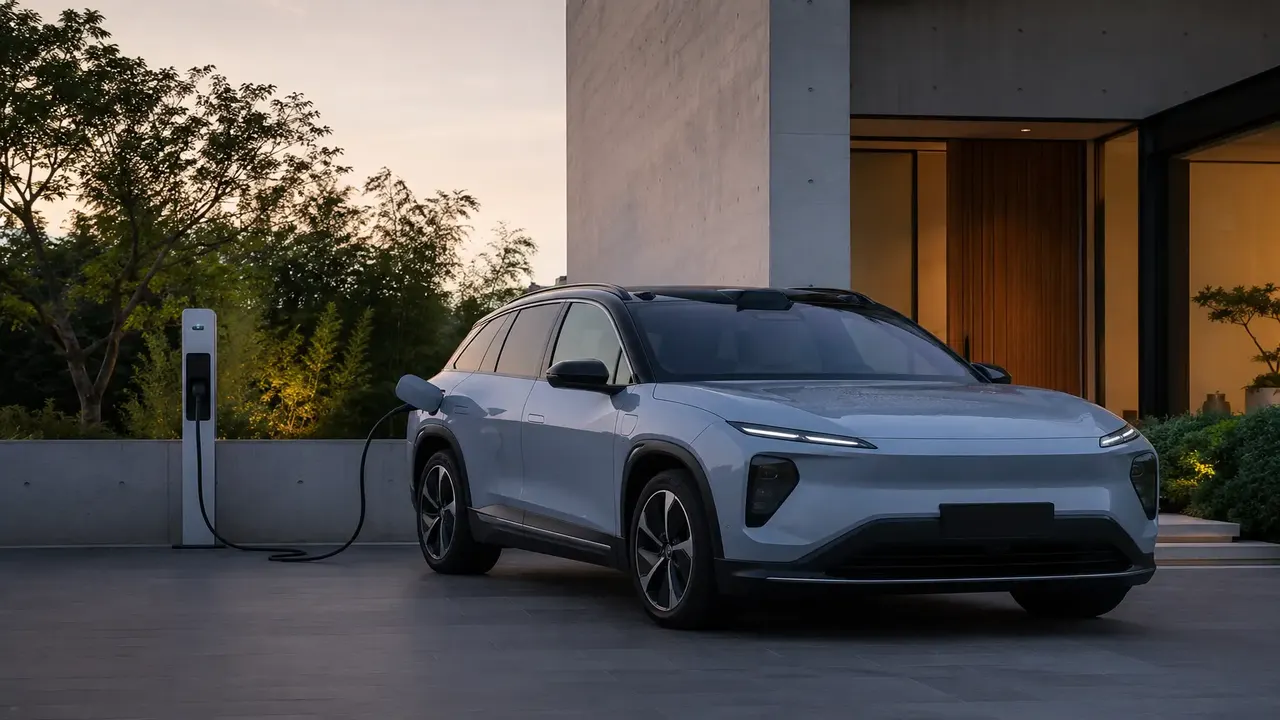
Yes, for normal monsoon conditions. EV charging connectors (both AC Type 2 and DC CCS2, the common standards in India) are designed and rated for outdoor use, and the car's charging port only completes a live circuit once properly latched and sealed. Most EVs sold in India carry a battery and motor ingress protection rating of IP67 or higher, meaning they're tested to withstand dust ingress and temporary submersion in roughly 1 metre of water for about 30 minutes under the standard's controlled test conditions. Charging in typical rainfall — even fairly heavy rain — is well within this design margin.
When charging outdoors needs more caution
- Avoid charging if the charging point itself is standing in water (common with poorly-installed outdoor sockets or low-lying public charging bays during heavy waterlogging).
- Don't use a charger or cable showing visible damage, frayed insulation, or a cracked housing — water ingress through damaged equipment, not the car, is the real risk.
- Prefer covered or elevated charging points during heavy monsoon spells if your building or apartment offers a choice.
Driving through waterlogged roads
This is where genuine caution matters more than charging safety. Every manufacturer specifies a maximum wading depth for its EVs (often broadly similar to equivalent petrol/diesel models, though this varies by model and should be checked in your owner's manual), and driving through water beyond that depth risks water entering the battery pack's cooling vents, the motor housing, or the cabin electronics — potential damage that isn't necessarily covered by warranty if it results from driving in conditions the manufacturer doesn't recommend.
- Check your specific model's rated wading depth in the owner's manual before monsoon season.
- If a road is visibly waterlogged and depth is uncertain, don't proceed — this applies to any car, EV or otherwise, but EV owners should be particularly cautious near underbody vents and charging ports.
- After driving through any standing water, avoid charging immediately — let the car and charging port dry and inspect for visible water pooling around the port before plugging in.
- Get the car inspected at an authorised service centre if you've driven through deep water, even if everything seems to be working normally.
Battery health and humidity over the monsoon season
High ambient humidity itself has minimal direct effect on lithium-ion battery performance or degradation — the battery pack is sealed and thermally managed regardless of outside humidity. The more relevant long-term concern is corrosion on exposed metal connectors (charging port pins, 12V battery terminals) if moisture repeatedly gets in and isn't allowed to dry, which is more a maintenance issue than a range or safety one — wiping down the charging port area periodically during heavy monsoon months is a sensible habit.
IP67 and similar ratings describe controlled laboratory test conditions, not a guarantee against damage from deliberately driving through deep, fast-moving, or prolonged floodwater. Manufacturer wading limits and common sense still apply.
Frequently asked questions
Is it safe to charge an electric car in the rain in India?
How much does rain reduce EV range?
Can I drive my EV through a waterlogged road?
Does humidity damage an EV battery?
What IP rating do EVs in India typically have?
Sources & further reading
- Bureau of Indian Standards — IP (ingress protection) rating standards
- Ministry of Heavy Industries — FAME/EV policy resources
Figures, prices and policy details were current at the last-updated date above. Automotive pricing, incentives and regulations change frequently — verify time-sensitive details with the linked primary sources. Read our editorial policy and fact-checking standards.