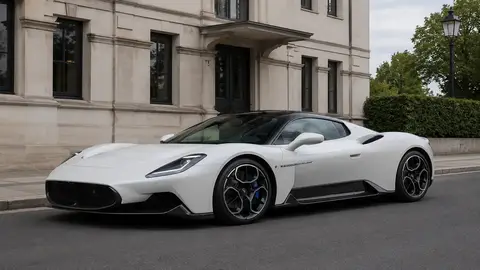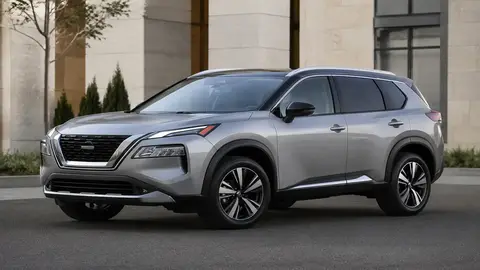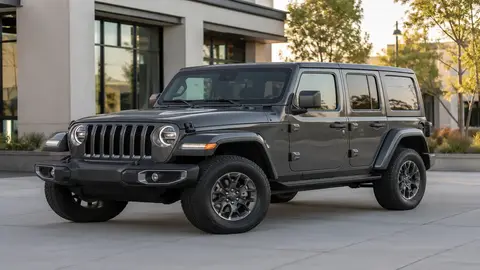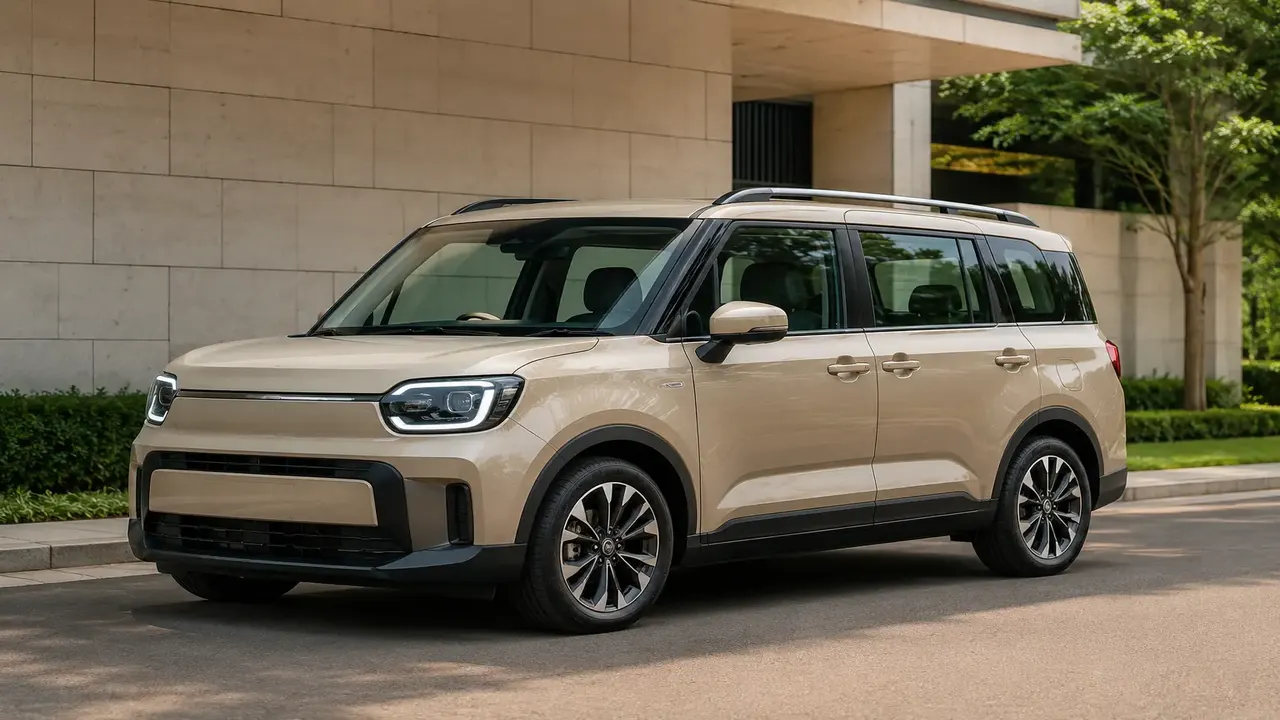
Both two-wheelers and four-wheelers require mandatory third-party insurance under the Motor Vehicles Act, 1988 — but the premium rates, policy bundling rules, claim dynamics and add-on availability differ significantly. New two-wheelers require a 5-year bundled TP policy (vs. 3 years for cars). Two-wheeler own-damage premiums are generally lower in absolute terms but the repair economics are different — and rider personal accident cover (₹15 lakh) is separately mandatory for both.
Two-wheeler vs. four-wheeler insurance in India
| Factor | Two-wheeler | Four-wheeler |
|---|---|---|
| Mandatory TP policy term (new vehicle) | 5 years | 3 years |
| TP premium range (annual) | ₹482–₹2,383 (by cc) | ₹2,094–₹7,899 (by cc) |
| OD premium basis | Engine cc + IDV | Engine cc + IDV |
| Compulsory deductible | ₹100 (≤150cc), ₹150 (>150cc) | ₹1,000 (≤1500cc), ₹2,000 (>1500cc) |
| Personal accident cover | ₹15 lakh mandatory for owner-rider | ₹15 lakh mandatory for owner-driver |
| Zero depreciation add-on | Available | Available |
| Pillion passenger PA cover | Add-on available | Named passenger add-on available |
| Average claims frequency | Higher (more accidents per vehicle) | Lower, but higher severity |
Shared foundation: the Motor Vehicles Act
Both two-wheelers and four-wheelers are governed by the Motor Vehicles Act, 1988, which makes third-party liability insurance mandatory for every vehicle used on a public road in India. The enforcement framework — VAHAN database checks, FASTag-linked insurance verification, traffic police enforcement — applies equally to bikes and cars.
TP premium differences: rates and bundling
IRDAI sets third-party premiums separately for two- and four-wheelers. Two-wheeler TP rates are lower in absolute terms because vehicles are smaller and TP claims, while frequent, typically involve lower vehicle damage values. However, two-wheeler TP claims for bodily injury are often serious — riders are more vulnerable than car occupants — and the unlimited liability for personal injury applies to both vehicle types.
A critical difference for new vehicles: two-wheelers purchased new must be covered under a 5-year bundled TP policy (since September 2018), compared to 3 years for new cars. This means new bike buyers lock in TP coverage for five years upfront — reducing lapse risk but requiring a larger upfront premium payment or EMI arrangement.
Own-damage cover: similar structure, different economics
The own-damage component works similarly for both vehicle types: IDV is set based on the vehicle's age and ex-showroom price (using IRDAI's depreciation schedule), and the OD premium is priced by insurers based on IDV and risk factors. Key differences in practice:
- Two-wheelers depreciate faster and reach low IDVs sooner — a 5-year-old bike may have an IDV of ₹20,000–₹40,000, making comprehensive cover's OD component relatively cheap but also limited in claim value.
- Repair costs are lower in absolute terms for two-wheelers — a typical bike repair is far less than a car repair, making the OD claim economics different.
- Theft rate: two-wheelers have a higher theft rate than cars in Indian cities; comprehensive cover is particularly valuable for bikes parked in high-density urban areas.
Standard two-wheeler comprehensive policies cover the owner-rider under the mandatory PA component, but the pillion passenger is not automatically covered. A pillion passenger PA add-on extends the ₹15 lakh PA cover (or a stated sum) to unnamed pillion riders. This add-on costs very little and is strongly recommended for any bike used to carry passengers regularly.
Claims differences: frequency and severity
Two-wheelers are involved in a disproportionately high number of road accidents in India — MoRTH data consistently shows two-wheelers account for around 35–40% of road accident fatalities. This drives:
- Higher claims frequency per policy for two-wheeler books
- More PA (personal accident) claims relative to the vehicle population
- Higher bodily injury claim values due to rider vulnerability
For the individual policyholder, this means TP claims for two-wheelers — while lower in vehicle damage values — are more frequent, making it more likely that at some point in a rider's career they will be involved in a third-party claim either as claimant or respondent.
Add-ons: availability and relevance
Most add-ons available for car policies are also available for two-wheelers — zero depreciation, return to invoice, roadside assistance, engine protect, and NCB protect. A few points specific to two-wheelers:
- Zero depreciation is particularly valuable for new bikes given rapid depreciation — a two-year-old bike may have depreciated 20–30%, making the zero-dep benefit meaningful on even a mid-range claim.
- Roadside assistance: bikes break down more often per km in rough riding conditions; RSA add-ons cover towing and minor on-road repairs.
- Consumables cover: oil, coolant, brake fluid and other consumables are excluded by default; the add-on is inexpensive and prevents small out-of-pocket costs on frequent two-wheeler servicing claims.
Which to prioritise: summary guidance
| If you are a... | Priority cover |
|---|---|
| New bike owner (urban) | Comprehensive + zero dep + pillion PA + RSA |
| New car owner | Comprehensive + zero dep + engine protect + RSA |
| Older bike owner (5+ yr) | Third-party + PA; consider dropping OD if IDV is low |
| Older car owner (5+ yr) | TP + OD with standard depreciation; zero dep less critical at low IDV |
| Daily delivery rider | Commercial two-wheeler policy — personal policies exclude delivery use |
Frequently asked questions
Is two-wheeler insurance cheaper than car insurance in India?
What is the 5-year rule for new bike insurance?
Does my bike insurance cover my pillion passenger?
Can I use a private two-wheeler insurance policy for food delivery?
Does the same IDV depreciation schedule apply to bikes and cars?
Sources & further reading
Figures, prices and policy details were current at the last-updated date above. Automotive pricing, incentives and regulations change frequently — verify time-sensitive details with the linked primary sources. Read our editorial policy and fact-checking standards.