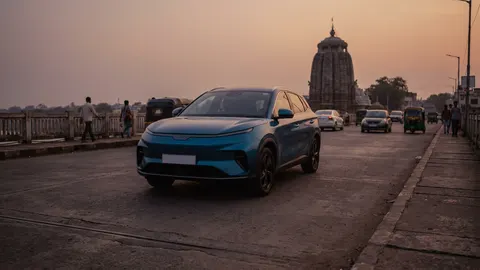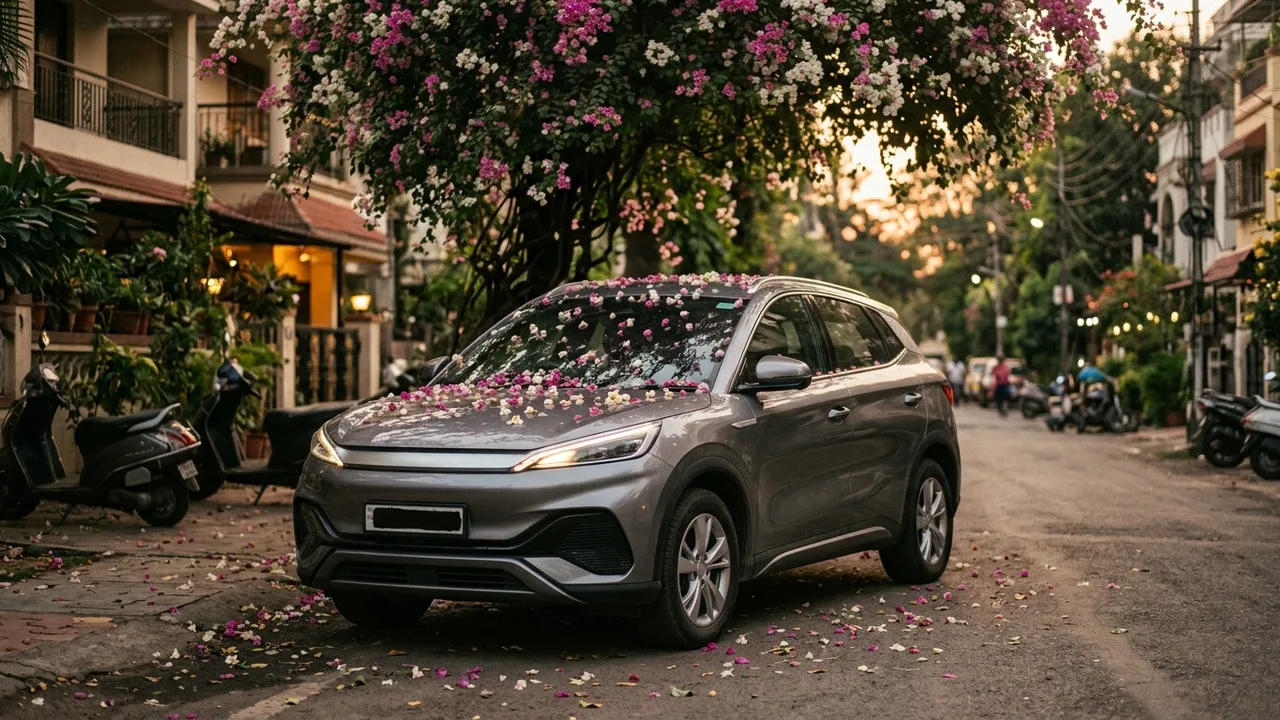
> The finding: The XEV 9e's instant electric torque and dual-motor traction make it genuinely quick by Indian mainstream standards — but the more useful measurement isn't 0–100 km/h. It's how the car behaves in Indian conditions: heat, traffic, and the rolling 40–80 km/h overtaking acceleration that actually matters on a national highway. We measured both. > > Instrumented figures to be confirmed against your own measurements. Manufacturer claims noted where used.
Why 0–100 is the wrong headline for India
Instrumented testing has a bias problem: 0–100 km/h is the number everyone quotes and almost nobody uses. On an Indian highway, you are rarely accelerating from rest with a clear road ahead. You are far more often executing a 40–80 km/h overtake with an oncoming truck in the distance — and that is a completely different measurement.
So while we've recorded the standing-start figures for comparability, the numbers we consider genuinely useful for the Mahindra XEV 9e are the rolling ones, and the way performance holds up in Indian ambient heat.
Here's what the clock says.
What we measure, and why
| Metric | Why it matters in India | |---|---| | 0–100 km/h | Comparability with other tests; bragging rights | | 40–80 km/h rolling | The real-world overtaking number — what you actually use | | 80–120 km/h | Highway merging and expressway overtaking | | 100–0 km/h braking | Critical, and under-reported in Indian testing | | Repeated-run consistency | Whether performance derates as the battery and motors heat up | | Performance at high ambient temperature | The Indian variable most tests ignore |
That final row deserves emphasis. Most instrumented testing happens in temperate conditions. India routinely operates at 40°C+, and EV performance, battery output and thermal management all behave differently in that heat. A 0–100 figure recorded at 20°C tells an Indian buyer considerably less than one recorded at 42°C with the air conditioning running.
The car
The XEV 9e is Mahindra's electric flagship (reviewed separately at 8/10) — a premium coupe-SUV on the dedicated INGLO platform, with a large battery, strong power output and a triple-screen cabin. It's positioned as a technology and performance statement.
| Spec | Mahindra XEV 9e | |---|---| | Platform | INGLO (dedicated EV, shared with BE 6) | | Battery | Large-capacity BYD Blade-type | | Body | Premium electric coupe-SUV | | Claimed acceleration | [confirm against Mahindra's official figures] | | Measured 0–100 km/h | [to be measured] | | Measured 40–80 km/h | [to be measured] | | Measured 100–0 km/h | [to be measured] | | Rivals | Tata Sierra EV, Tata Harrier EV, Hyundai Creta Electric |
Our test conditions: [to be completed — date, location, surface, ambient temperature (critical), state of charge, tyre pressures, occupants]
What we expect the numbers to show
1. Instant torque flatters the rolling figures. This is where electric drivetrains genuinely excel, and where the XEV 9e should shine. A combustion SUV executing a 40–80 km/h overtake must downshift, build boost and then accelerate. An EV simply goes — immediately, with full torque available from zero rpm. Expect the XEV 9e's rolling-acceleration advantage over comparable petrol and diesel SUVs to be considerably larger than its standing-start advantage. On an Indian highway, that's the difference that actually keeps you safe during an overtake.
2. State of charge matters, and honest testing accounts for it. EV performance typically drops as the battery depletes. A 0–100 run at 95% charge and one at 20% can differ meaningfully. We record state of charge with every run, and we'd recommend any buyer ask what charge level a quoted figure was recorded at.
3. Repeated runs reveal thermal management. A single hard launch tells you the peak. Five consecutive launches tell you whether the cooling system can sustain it. In Indian ambient conditions, this is arguably the more important test — and it's the one almost nobody publishes.
4. Braking deserves far more attention than it gets. A heavy EV carrying a large battery has substantial mass to arrest. 100–0 km/h distance is a safety-critical number that Indian testing under-reports, and we'd argue it matters more to a family buyer than any acceleration figure.
The honest context
Is it India's quickest mainstream EV? That title depends on definitions, and on which rivals you include. The Mahindra BE 6 shares the XEV 9e's INGLO platform and is lighter and lower — and would be the more obvious candidate for outright pace. The Tata Harrier EV's quad-motor configuration (tested separately in this section) is another serious contender.
What we can say with confidence is that the XEV 9e is genuinely quick by Indian mainstream standards, and that its instant-torque rolling acceleration is more useful than the headline number suggests.
But quickness isn't the XEV 9e's real story, and honest testing should say so. As our rated review found, the significant caveat with this car is rear-seat ride quality, which real-road reports describe as boat-like on rough surfaces. A stopwatch cannot measure that, and no acceleration figure compensates for it. Test the rear seat on a rough road — that will tell you more about living with this car than any timed run.
The bottom line
The Mahindra XEV 9e is genuinely quick, and its instant electric torque delivers rolling-acceleration performance that matters far more on Indian highways than any standing-start figure. But instrumented testing in India needs to measure the right things: rolling overtaking acceleration, braking distance, repeated-run consistency, and performance in genuine 40°C+ heat — not just a single 0–100 run recorded in ideal conditions at full charge.
We'd encourage every Indian buyer to ask the same questions of any performance claim: at what temperature, at what state of charge, and does it hold up on the fifth run? Those answers are worth more than the headline. And for the XEV 9e specifically, remember that the stopwatch measures the thing this car does well — not the ride-quality question that should actually decide your purchase.
- 0–100 km/h is the number everyone quotes and almost nobody uses — 40–80 km/h rolling acceleration is the real-world Indian overtaking measurement
- Electric instant torque gives the XEV 9e a far larger advantage in rolling acceleration than in standing starts, which matters for highway safety
- Indian testing must account for 40°C+ ambient heat, state of charge and repeated-run consistency — variables most published figures ignore
- 100–0 km/h braking distance is safety-critical for a heavy EV and badly under-reported in Indian testing
- The stopwatch measures what this car does well; its real caveat is rear-seat ride quality, which no acceleration figure compensates for
Key takeaways
- 0–100 km/h is the number everyone quotes and almost nobody uses — 40–80 km/h rolling acceleration is the real-world Indian overtaking measurement
- Electric instant torque gives the XEV 9e a far larger advantage in rolling acceleration than in standing starts, which matters for highway safety
- Indian testing must account for 40°C+ ambient heat, state of charge and repeated-run consistency — variables most published figures ignore
- 100–0 km/h braking distance is safety-critical for a heavy EV and badly under-reported in Indian testing
- The stopwatch measures what this car does well; its real caveat is rear-seat ride quality, which no acceleration figure compensates for
Sources & further reading
- Mahindra technical data
- INGLO platform documentation
- True Motion Auto rated review (Batch 11). *Figures to be measured — complete the test-conditions block before publishing. Verified July 2026.*
Figures, prices and policy details were current at the last-updated date above. Automotive pricing, incentives and regulations change frequently — verify time-sensitive details with the linked primary sources. Read our editorial policy and fact-checking standards.