Note: costs mentioned below are given in US dollars as a general point of reference — actual prices vary by country, currency, and local market.
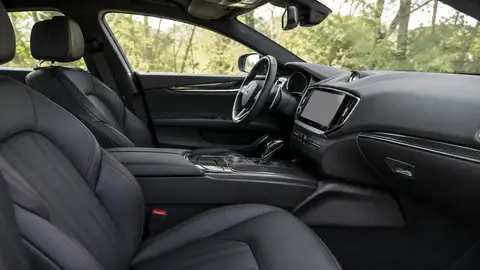
Clean dashboard and trim surfaces every 1-2 weeks with a microfiber cloth and a water-based, matte-finish interior cleaner — avoid heavy silicone-based "dressings" that leave a greasy shine, since that shine reflects glare onto the windshield in sunlight and attracts dust faster. A microfiber cloth plus a bottle of water-based UV-protectant cleaner costs $10-20 and lasts many months of regular use.
At a glance
| Surface | Recommended approach |
|---|---|
| Dashboard top | Microfiber + matte, water-based UV protectant |
| Door panels/console | Microfiber + all-purpose interior cleaner |
| Textured plastic (vents, buttons) | Detail brush + cleaner, avoid soaking |
| Leather-trimmed dash | Leather cleaner/conditioner, not general dash spray |
| Glossy piano-black accents | Screen-safe cleaner, straight-line wipes |
Why heavy "dressing" products are a mistake
Many older dashboard products are silicone-based and designed to leave a glossy, wet-look shine — but that shine reflects sunlight directly onto the windshield, creating dangerous glare while driving, and the oily residue attracts dust like a magnet, meaning the dashboard looks dirty again within days. Modern water-based, matte-finish interior protectants clean and add UV protection without the glare or the greasy dust-trap effect.
Cleaning routine that actually works
- Dust and vacuum first with a soft brush attachment to remove loose grit before wiping — wiping dry dust around just scratches textured plastic.
- Spray cleaner onto a microfiber cloth, not directly onto the dashboard, to avoid overspray reaching vents or electronics.
- Wipe with light, even pressure, working the cloth into textured areas and around buttons and vents.
- Use a soft detail brush for tight crevices around vents, buttons and stitching that a cloth can't reach.
- Buff with a dry microfiber cloth to remove any excess product and avoid a slick residue.
Spraying cleaner directly onto the dashboard risks overspray drifting into air vents, defroster sensors, or the gap around the windshield base — always spray onto the cloth first.
UV protection matters more than shine
Dashboards face more direct, sustained UV exposure than almost any other interior surface, which is why they crack and fade years before other trim. A cleaner with UV inhibitors is doing more long-term good than the coating's shine level suggests — matte, low-gloss protectants with UV blockers slow this fading and cracking far better than a plain wipe-down with water.
Material-specific notes
- Leather-trimmed dashboards: use an actual leather cleaner/conditioner, not a general plastic dash spray, since leather needs different moisturizing chemistry.
- Piano-black or glossy trim accents: treat like a touchscreen — microfiber and straight-line wipes to avoid fine swirl marks.
- Textured, grained plastic (common on lower dash and door panels): a soft detail brush lifts dust from the texture that a cloth alone leaves behind.
Fixing an already-faded dashboard
A dashboard that's already gone dull, gray or slightly cracked from UV exposure can be improved with a UV-protectant conditioner used consistently, but it won't reverse existing cracks — at that point, a dash cover or professional dash restoration/dye service is the realistic fix.
Frequently asked questions
Why does dashboard cleaner cause glare on the windshield?
How often should you clean a car dashboard?
Can dashboard cleaner damage buttons or vents?
Does dashboard cleaner actually protect against cracking?
What cleans a leather-trimmed dashboard?
Sources & further reading
Figures, prices and policy details were current at the last-updated date above. Automotive pricing, incentives and regulations change frequently — verify time-sensitive details with the linked primary sources. Read our editorial policy and fact-checking standards.