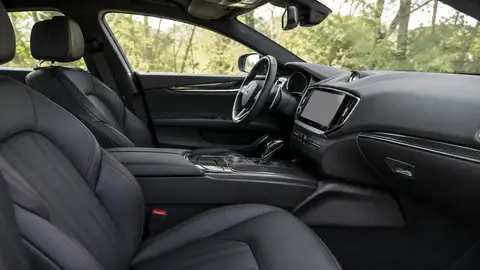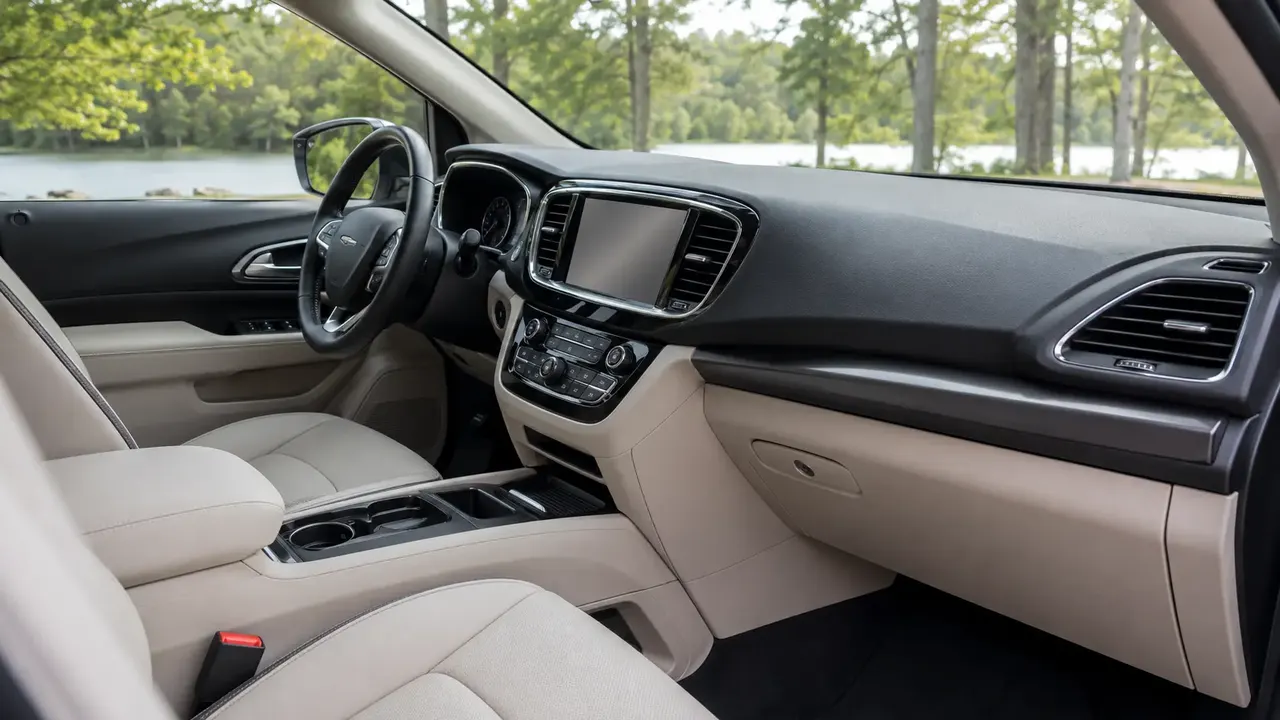
Note: costs mentioned below are given in US dollars as a general point of reference — actual prices vary by country, currency, and local market.
A full interior deep clean — seats, carpets, headliner, vents, crevices — takes 2-4 hours DIY with the right tools, versus $100-250 at a professional detail shop for the same scope. Doing it every 3-6 months, with lighter weekly maintenance in between, keeps grime from accumulating to the point where a deep clean is needed more often or costs more in replacement parts (stained carpet, cracked trim) down the line.
At a glance
| Area | Deep-clean method |
|---|---|
| Seats (cloth) | Extraction/shampoo + spot stain treatment |
| Seats (leather) | Cleaner + conditioner, not water extraction |
| Carpets/mats | Vacuum + extraction + full dry-out |
| Vents/crevices | Detail brush + compressed air + crevice vacuum tool |
| Headliner | Light spot-clean only — avoid soaking, adhesive can fail |
Why a deep clean is different from routine cleaning
Weekly vacuuming and wipe-downs handle surface dust and fresh spills, but grime builds up in places routine cleaning never reaches — deep in carpet fiber bases, inside air vents, in seat seams, and in the fine mesh of speaker grilles. A true deep clean resets all of it at once, which is why it takes hours rather than minutes but only needs doing every few months rather than weekly.
The full process, area by area
- Remove floor mats and any loose items first, and vacuum the entire interior thoroughly, including under seats and in door pockets.
- Deep-clean carpets and cloth seats with an extractor or dedicated upholstery shampoo, treating any visible stains individually before the general clean.
- Clean leather seats with a leather-specific cleaner and follow with a conditioner — never treat leather with a water extractor the way you would cloth.
- Use a detail brush and compressed air to clear dust from vents, buttons, cupholders and other tight crevices.
- Spot-clean the headliner gently if needed — it's glued fabric over foam, and heavy soaking can cause it to sag or detach.
- Wipe down all hard surfaces (dashboard, console, door panels) with the appropriate cleaner for each material.
- Let everything dry fully with doors open or windows cracked before closing up the car, to avoid trapping moisture.
The headliner is the easiest part of a deep clean to accidentally damage — its fabric is glued to a foam backing, and heavy scrubbing or soaking can break down that adhesive, causing the headliner to sag or detach permanently.
Tools that make the biggest difference
- A wet/dry shop vacuum with an upholstery attachment for genuine deep extraction, not just surface vacuuming.
- A soft-bristle detail brush for vents, buttons and stitched seams.
- Compressed air (a can or small compressor) for vents and crevices a brush can't reach.
- Enzyme cleaner for odor sources, since it breaks down the organic material causing smells rather than masking them.
How often is actually necessary
Every 3-6 months is a reasonable interval for most daily drivers, more often for families with young children or pets, less often for a car that's rarely used or kept in controlled conditions. Between deep cleans, weekly vacuuming and prompt spot-treating of spills is what actually prevents most of the buildup a deep clean exists to fix.
Frequently asked questions
How often should you deep clean a car interior?
Can you clean a car headliner without damaging it?
What's the difference between cleaning leather and cloth seats?
How long does a full interior deep clean take?
What removes odors during a deep clean instead of just masking them?
Sources & further reading
Figures, prices and policy details were current at the last-updated date above. Automotive pricing, incentives and regulations change frequently — verify time-sensitive details with the linked primary sources. Read our editorial policy and fact-checking standards.