Fleet electric vans typically run higher daily mileage than private EVs, so shift from calendar-based to usage-based service intervals — using telematics data (mileage, charge cycles, brake wear sensors) rather than a fixed "every 12 months" rule. Tire rotation and inspection should happen more often (roughly every 5,000 miles) given constant loaded running, and driver training on smooth acceleration and regen use measurably reduces tire and brake costs across a fleet. Depot charging schedules should avoid consistently charging to 100% overnight when the van isn't needed until later, since holding at full charge accelerates battery degradation.
At a glance
| Area | Fleet-specific practice |
|---|---|
| Service scheduling | Usage/telematics-based, not just calendar-based |
| Tire inspection | ~Every 5,000 miles due to constant loaded running |
| Depot charging | Delay full charge to just before departure, not overnight to 100% |
| Software updates | Scheduled during depot downtime, not mid-route |
Why fleet maintenance needs a different rhythm
A private EV owner might drive 10,000-12,000 miles a year; a delivery or trade van can rack up that in a few months, running loaded most of the day. That changes the calculus from calendar-based service ("every 12 months") to usage-based scheduling driven by actual mileage, charge-cycle counts, and telemetry on brake pad wear sensors and tire tread depth where fitted.
Telematics as a maintenance tool
- Battery state-of-health tracking across the fleet flags packs degrading faster than the group average, worth investigating for charging habits or a possible defect before it becomes a warranty issue.
- Charge-cycle and depth-of-discharge data can identify vans being routinely charged to 100% overnight unnecessarily, which accelerates long-term capacity loss.
- Driver-behavior scoring (harsh acceleration/braking events) correlates directly with tire and brake wear rates — fleets that train toward smoother driving and heavier regen use consistently report lower per-mile maintenance costs.
Charging strategy for depot-based fleets
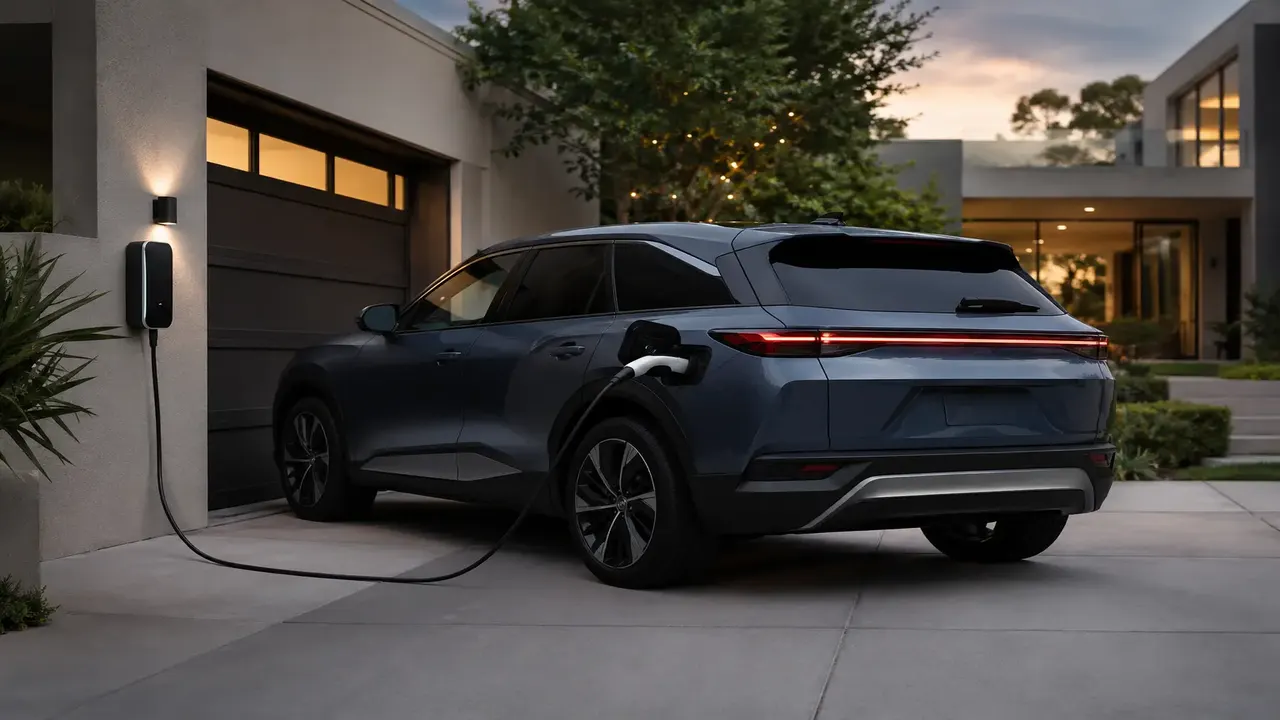
Vans that return to a depot each night are prime candidates for scheduled charging rather than plug-in-and-forget: charge to 100% only if the next day's route genuinely needs full range, and otherwise target 80-90% to reduce time spent at high state of charge, which is when degradation happens fastest. Staggering charge start times across a fleet also reduces peak electricity demand charges at the depot.
Tires and brakes under constant load
Vans running loaded most of the day wear tires faster than a lightly loaded passenger EV, and uneven wear patterns show up sooner — inspect tread and pressure roughly every 5,000 miles rather than waiting for a scheduled service interval. Brake pads last much longer than on a combustion van thanks to regenerative braking, but rotors can still corrode from underuse in vans that rarely need hard friction braking; a periodic "bedding" drive or inspection keeps corrosion from building up unnoticed.
Over-the-air updates can occasionally change charging behavior or driver-assist calibration — schedule installs during known depot downtime rather than letting them install unpredictably mid-shift, and confirm software versions are consistent across the fleet for driver familiarity.
Downtime and total cost of ownership
Electric vans generally have lower routine maintenance costs than diesel equivalents (no oil changes, less brake wear, fewer moving parts in the drivetrain), but unplanned downtime from a charging infrastructure fault or a software issue can cost more per hour than a mechanical breakdown would on a diesel van, since a stalled charger affects an entire day's route. Building in charger redundancy and a maintenance contact for charging hardware, not just the vehicles, is part of a realistic fleet maintenance plan.
Frequently asked questions
Should fleet EVs be serviced on the same calendar schedule as private EVs?
Does charging fleet vans to 100% every night shorten battery life?
Do electric vans need less brake maintenance than diesel vans?
How does driver behavior affect fleet EV maintenance costs?
Sources & further reading
- U.S. DOE — Alternative Fuels Data Center, fleet EV guidance
- Geotab — commercial EV fleet battery health data
Figures, prices and policy details were current at the last-updated date above. Automotive pricing, incentives and regulations change frequently — verify time-sensitive details with the linked primary sources. Read our editorial policy and fact-checking standards.