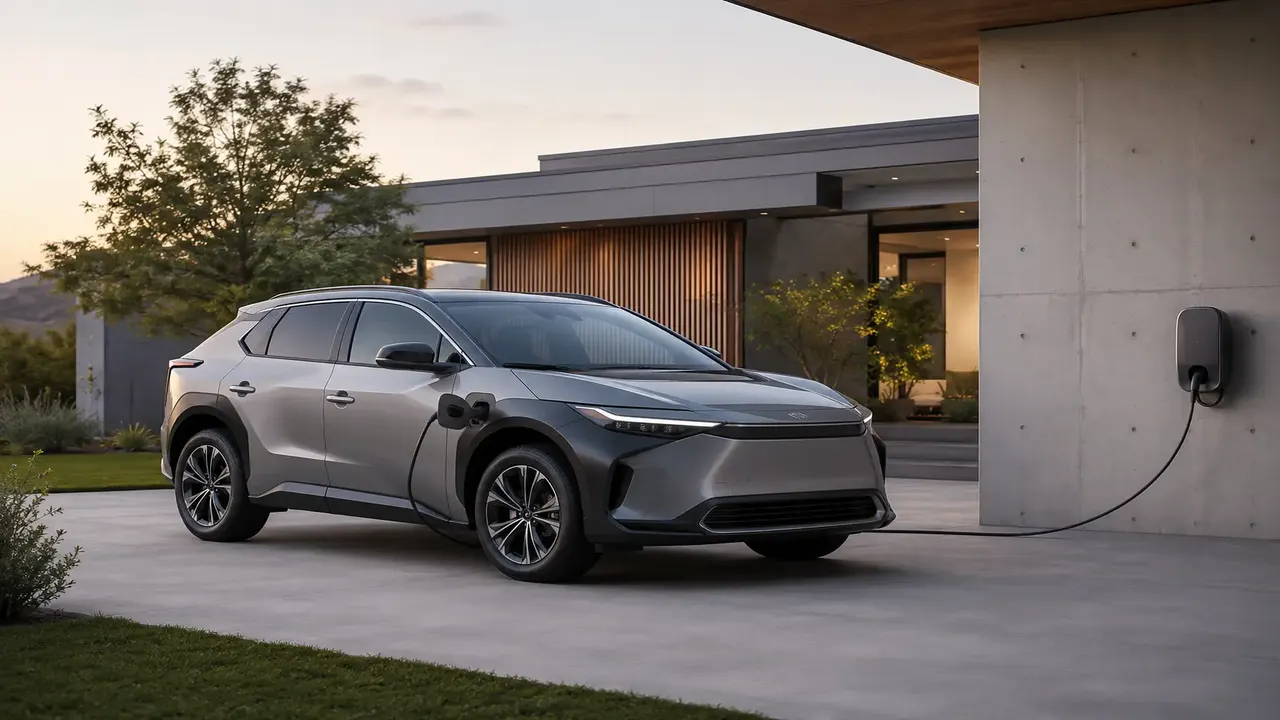
Move your car promptly once it's charged (or close to your target %) rather than leaving it parked at a charger — this is the single biggest source of frustration at busy public stations, sometimes called "charger squatting." Don't unplug someone else's actively charging car without clear signage saying it's abandoned or done. For safety, inspect the cable and connector for visible damage before plugging in, avoid handling connectors with wet hands in heavy rain, and report a damaged or malfunctioning charger through the network's app rather than leaving it for the next person to discover.
At a glance
| Situation | Etiquette/safety guidance |
|---|---|
| Charging complete, others waiting | Move your car promptly, don't treat the spot as parking |
| Cable/connector looks damaged | Don't use it — report via the network's app |
| Heavy rain while plugging in | Connectors are weather-sealed, but avoid unnecessary handling with wet hands |
| Another car plugged in, unattended | Don't unplug it unless station signage confirms it's free to disconnect |
The etiquette that avoids most conflicts
- Don't linger once you're done. Many networks now charge idle fees specifically to discourage this, but the bigger issue is simply blocking a charger someone else needs — treat a full or near-full charge as your cue to move, not an invitation to run errands.
- Only take the charging speed you need. If a station has both fast (DC) and slower chargers, and your car only needs a top-up, using a slower unit frees the fast charger for someone who needs it more.
- Park within the lines and centered on the space so the cable can reach comfortably without stretching across a walkway or another parking spot.
- Leave the cable somewhere it won't trip someone or get run over after you unplug — most stations have a holster; use it.
When it's okay (and not okay) to unplug someone else
As a general rule, don't unplug another driver's car — it can interrupt their charge and, in some networks, trigger a fee dispute or even count as tampering. Exceptions are stations with explicit signage stating a time limit after which disconnection is permitted, or a car that's clearly finished (charging light off, no driver nearby) at a station with a strict etiquette policy posted. When in doubt, use another charger or wait rather than assuming it's fine.
Safety basics around connectors and cables
- Check the cable and connector visually for cracks, exposed wiring, or scorch marks before plugging in — a damaged connector is a shock and fire risk, not just an inconvenience.
- Public charging connectors are designed to be weather-sealed and safe to use in rain, but avoid unnecessary handling with wet hands and don't force a connector that isn't seating properly.
- Don't drape the cable across a walking path where pedestrians (or your own kids) can trip over it.
- If a charger displays an error, won't release your cable, or looks physically damaged, don't attempt to force it — report it through the app and use a different unit.
Most networks let you flag a broken or damaged charger directly in their app in under a minute. It's a small effort that keeps the next driver from wasting a trip on a dead unit, and repeated reports are often what gets a station repaired faster.
Winter-specific charging etiquette
In cold climates, don't leave a car parked at a charger "warming up" after it's done — this is doubly frustrating in winter when demand for chargers per driver is highest and cold weather already slows charging speeds and range. Brush snow and ice off your own connector and the charger's cable holster if you can, since a frozen cable is a hassle for the next driver too.
Frequently asked questions
Is it rude to leave my car at a charger after it's finished charging?
Can I unplug someone else's car to charge mine?
Are public EV chargers safe to use in the rain?
What should I do if I find a broken charging station?
Sources & further reading
- U.S. DOE — Alternative Fuels Data Center, EV charging etiquette and station types
- J.D. Power — EV public charging satisfaction studies
Figures, prices and policy details were current at the last-updated date above. Automotive pricing, incentives and regulations change frequently — verify time-sensitive details with the linked primary sources. Read our editorial policy and fact-checking standards.