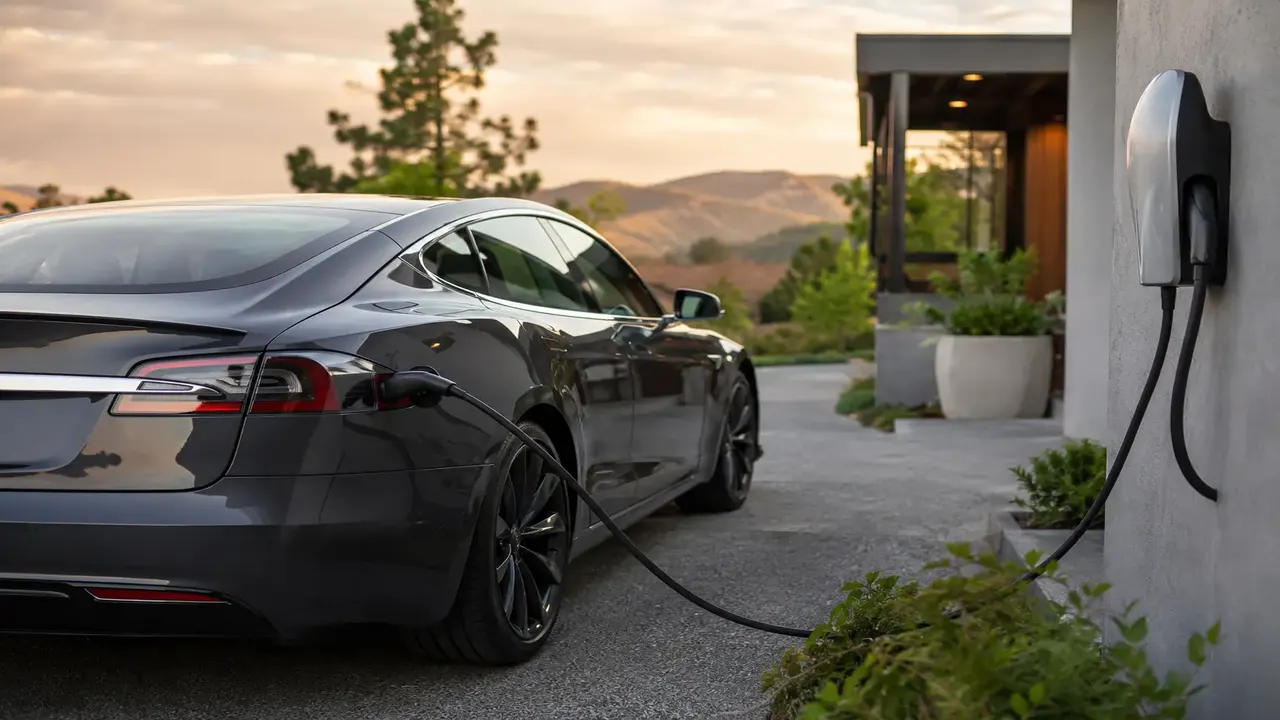
A plug-in hybrid's gasoline engine still needs oil changes, but because it may run only occasionally (especially for drivers who charge daily and keep trips short), rely on the car's oil-life monitoring system rather than a flat mileage interval, since oil can also degrade from sitting unused as long as it can from heavy use. The high-voltage battery benefits from the same care as a full EV's — avoid habitually charging to 100% and extreme heat exposure — while the 12V battery, brakes, tires, and cabin filter follow familiar combustion-car-like schedules. Because the engine runs less, some owners notice a stronger gasoline smell or a rough-sounding start the first time it kicks in after weeks of electric-only driving — that's usually normal, not a fault.
At a glance
| System | PHEV-specific note |
|---|---|
| Engine oil | Use oil-life monitor, not just mileage — oil ages even when engine runs rarely |
| High-voltage battery | Same care as full EV: avoid habitual 100% charges, avoid extreme heat |
| 12V battery | Ages like any car battery, typically 3-6 years |
| Brakes | Wear slower than pure gas car thanks to regen, but not as slowly as a full EV |
Why oil changes get trickier, not simpler
It's tempting to assume an engine that runs less needs oil changes less often — and mileage-wise, that's often true. But oil also degrades from moisture condensation and short-run cycles where it never reaches full operating temperature to burn off contaminants, which can happen more, not less, on a PHEV whose engine runs in short bursts. That's why most manufacturers pair a mileage limit with a time limit (commonly 1 year) and an oil-life monitoring algorithm that accounts for how the engine's actually been used — follow whichever the monitor or manual flags first, not just an odometer number.
Treat the high-voltage battery like an EV's
- Avoid charging to 100% for daily use if the car offers a lower daily charge limit option — reserve full charges for days you need the extra electric range.
- Park in shade or a garage where possible in hot climates; sustained heat degrades the battery faster than typical PHEV mileage would suggest.
- Use the plug regularly — a PHEV that's rarely plugged in loses much of its efficiency and emissions advantage, and the engine ends up doing proportionally more work, aging faster than intended.
The engine needs to run sometimes, even if you mostly drive electric
Many PHEVs are programmed to periodically start the gas engine even in electric mode — briefly circulating engine oil, keeping seals lubricated, and running the engine's own emissions system through a self-check. If you almost never hear the engine run, don't be alarmed by an occasional unprompted start; it's usually the car maintaining itself, not a fault. Owners who genuinely never let the engine run for extended periods (months at a time) risk fuel going stale in the tank and battery/seal issues in the engine, so an occasional longer highway drive in hybrid mode is worth doing periodically.
If you rarely use the gas engine, check your owner's manual for guidance — some manufacturers recommend running the tank down and refilling periodically, or note a maximum recommended time before fuel should be used, since gasoline degrades over several months.
Brakes and tires: in between an EV and a gas car
PHEVs use regenerative braking, so pads typically last longer than a comparable non-hybrid car, though not necessarily as long as a full EV's, since the engine and drivetrain configuration vary by model. Tires wear at rates closer to a similarly sized gas car unless the PHEV carries significant extra weight from its battery pack, in which case expect somewhat faster wear, similar to other electrified vehicles.
Software and charging habits still matter
Keep the vehicle's software updated (many PHEVs improve electric-range estimation and engine-start logic via updates), and get in the habit of plugging in every time the car is parked for a while — a PHEV that's driven like a regular hybrid without ever charging loses much of the point of the plug-in battery and shifts far more wear onto the combustion side.
Frequently asked questions
Do plug-in hybrids need oil changes as often as regular cars?
Is it bad if my PHEV's engine starts even though I'm driving in electric mode?
Should I charge my plug-in hybrid to 100% every day?
What happens if I never plug in my PHEV and just run it like a hybrid?
Sources & further reading
- U.S. DOE — Alternative Fuels Data Center, plug-in hybrid basics
- EPA — fueleconomy.gov, plug-in hybrid maintenance guidance
Figures, prices and policy details were current at the last-updated date above. Automotive pricing, incentives and regulations change frequently — verify time-sensitive details with the linked primary sources. Read our editorial policy and fact-checking standards.