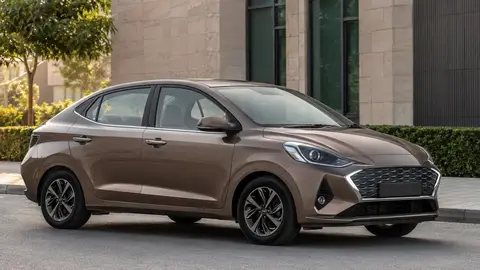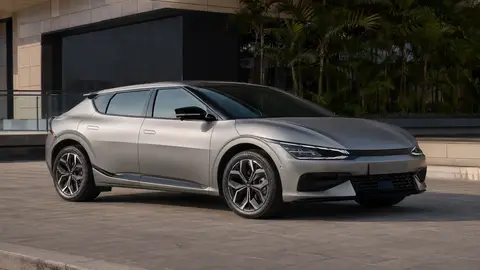
Cutting a car's drag coefficient (Cd) from a typical SUV's 0.32 to a slippery EV sedan's 0.20-0.22 can add roughly 8-12% more highway range without touching battery size. That's why active grille shutters, flush door handles, underbody panels and camera mirrors have gone from luxury flourishes to mainstream EV features since 2023. Aerodynamics matters most above 55 mph, where drag - not rolling resistance - accounts for most of the energy a car burns.
At a glance
| Metric | Typical figure |
|---|---|
| Average new SUV drag coefficient | 0.30-0.35 Cd |
| Best-in-class EV sedan drag coefficient | 0.20-0.22 Cd |
| Range gain per 0.01 Cd improvement | roughly 1-2% |
| Speed where drag dominates energy use | above ~55 mph / 90 km/h |
| Common low-drag features | active grille shutters, flush handles, camera mirrors, underbody trays |
Why aero suddenly matters
Combustion cars could mask a poor drag coefficient with a bigger fuel tank; EVs can't do that as cheaply, because extra range means extra battery cells, which is the single most expensive part of the car. Improving aerodynamics is one of the few range levers that costs cents per car in software and plastic trim rather than thousands of dollars in cells. That's why the last three years have seen a quiet arms race: Mercedes' EQS and Lucid Air both claim Cd figures near 0.20, territory that would have been a concept-car boast a decade ago.
What actually moves the needle
- Active grille shutters close at highway speed to stop air routing through the radiator when the motor doesn't need the cooling.
- Flush or semi-flush door handles remove small but constant turbulence sources along the body side.
- Underbody paneling smooths the messiest airflow zone on any car - the exposed suspension, exhaust and battery pack underneath.
- Camera-based mirrors (where regulations allow) shave a surprisingly large amount of drag versus glass mirrors, though they've been slower to spread outside the EU and Japan.
- Wheel design - closed or low-spoke-count wheels reduce the turbulence wheels create, worth a measurable range difference on its own.
The limits of chasing a number
A low Cd number alone doesn't guarantee efficiency - frontal area matters just as much, which is why a slippery-looking three-row SUV can still use more energy fighting the wind than a smaller, blunter hatchback. Manufacturers increasingly quote Cd x A (drag coefficient multiplied by frontal area) for this reason, though it rarely makes the marketing copy.
Design trade-offs buyers notice
Low-drag design changes how a car looks and feels to live with. Steeply raked rear windows cut headroom for rear passengers; smoothed-over grilles can look bland next to a traditionally styled rival; and some automakers have had to walk back camera mirrors after driver complaints about glare and lag, reverting to glass in later model years. The trend suits buyers who prioritize maximum range and don't mind a more aero-led silhouette; it suits automakers less if a design becomes a styling identity problem, which is part of why some brands (Hyundai's Ioniq line, for example) balance a heritage-inspired shape against aero targets rather than chasing the lowest possible number outright.
Where this is heading
Expect drag coefficient to keep appearing in spec sheets and marketing next to battery size and 0-60 times, especially for EVs where every percentage point of range matters to buyers wary of charging stops. Wind-tunnel time is also increasingly supplemented by computational fluid dynamics (CFD) simulation, letting smaller automakers iterate on shape digitally before committing to expensive physical tooling - a trend that should narrow the aero gap between mainstream and premium brands over the next few years.
A published Cd figure is measured under controlled conditions and can vary by trim (bigger wheels, roof racks and tow hitches all add drag). Real-world range tests routinely show 5-15% more variance from aero add-ons than the headline number implies.
Frequently asked questions
Does a lower drag coefficient always mean better real-world range?
Why do some EVs use camera mirrors instead of glass ones?
Do aerodynamic improvements matter for gas-powered cars too?
What's the most effective single aero upgrade?
Is there a limit to how low drag coefficients can go?
Sources & further reading
- U.S. Department of Energy - Vehicle aerodynamics and fuel economy
- SAE International - Aerodynamics testing standards (SAE J1252/J2071)
Figures, prices and policy details were current at the last-updated date above. Automotive pricing, incentives and regulations change frequently — verify time-sensitive details with the linked primary sources. Read our editorial policy and fact-checking standards.