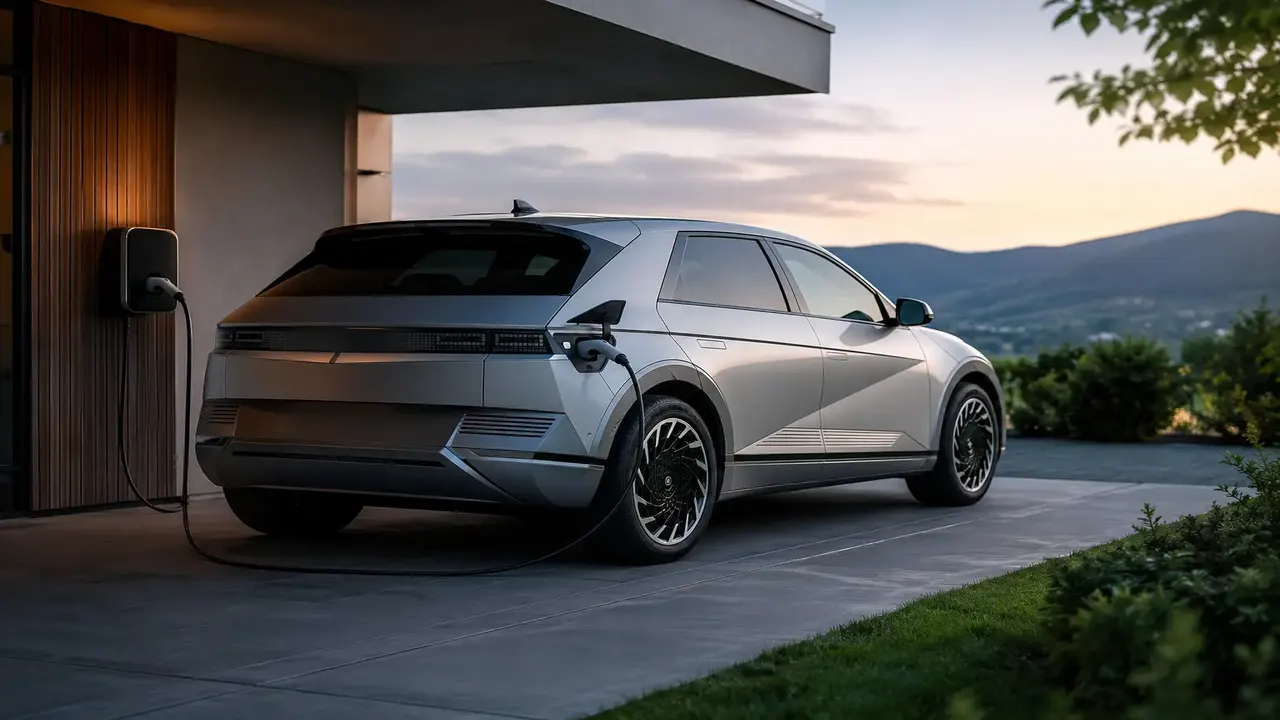
Global renewable electricity generation capacity additions hit record levels through 2024-2025, with solar and wind now the cheapest new electricity sources in most markets, meaning the average EV charge is getting cleaner every year even without any change in driver behavior. Solar-paired home charging and dedicated renewable-powered fast-charging hubs (using on-site solar plus battery storage) are the fastest-growing segment of the public charging network, though most EV charging worldwide still draws from a mixed grid rather than dedicated renewable sources.
At a glance
| Charging source | Trend |
|---|---|
| Home charging + rooftop solar | fastest-growing combination among EV owners with driveways |
| Grid-mix charging (majority of charging) | getting cleaner yearly as renewables expand generation share |
| Solar/battery-powered public fast chargers | small but growing niche, especially off-grid or grid-constrained sites |
| Smart/off-peak charging | increasingly used to align charging with cheaper, cleaner overnight or midday renewable surplus periods |
| Vehicle-to-grid (V2G) | emerging capability letting EVs store and later return renewable power to the grid |
Why the grid, not just the charger, matters most
An EV plugged into any outlet draws from whatever mix of power sources feeds that grid at that moment - coal, gas, nuclear, wind, solar or hydro. As renewable capacity expands, the average carbon intensity of grid electricity falls, which means an EV bought today keeps getting cleaner to charge over its lifetime even without the owner doing anything differently - something no gasoline car can claim, since gasoline's emissions profile is fixed at the pump.
How EV owners are pairing charging with renewables directly
- Home solar + EV charging - homeowners with rooftop solar increasingly size their system with EV charging load in mind, timing charging to daylight hours when solar production peaks.
- Time-of-use and off-peak charging - many utilities offer cheaper overnight or midday rates that often align with periods of high renewable generation (overnight wind, midday solar), and smart chargers can automate charging to hit those windows.
- Battery storage buffering - home batteries store solar power generated during the day for use charging a car overnight, decoupling charging time from generation time.
- Renewable-powered charging hubs - some public fast-charging networks are building sites with dedicated on-site solar and battery storage, particularly useful in areas with weak grid infrastructure.
Vehicle-to-grid: the next step
Newer EVs and chargers increasingly support bidirectional charging under the ISO 15118-20 communication standard, which allows a car's battery to feed power back to a home or the grid, not just draw it. This lets EVs act as distributed storage that soaks up renewable surplus when it's abundant (sunny midday, windy night) and releases it back when the grid needs it most - a capability utilities are actively piloting as renewable penetration grows and grid balancing becomes more complex.
Where the biggest gap remains
Public charging away from home - the option available to renters, apartment dwellers, and drivers on long trips - is far less likely to be paired with dedicated renewable generation and mostly draws from the general grid mix. This is a meaningful equity issue in the renewable-charging trend: homeowners with driveways and solar panels can meaningfully green their own charging, while renters and urban drivers reliant on public charging benefit only as fast as the broader grid decarbonizes.
What this means for EV buyers
You don't need home solar or a special renewable-charging plan to benefit from this trend - grid decarbonization happens in the background regardless. But if lowering your personal footprint further matters to you, pairing home charging with a renewable energy tariff or rooftop solar, and choosing off-peak or smart-charging schedules, meaningfully improves your effective charging carbon footprint beyond what the grid average alone would give you.
"100% renewable energy tariffs" offered by some utilities are often accounting arrangements (renewable energy certificates) rather than a guarantee that the specific electrons charging your car came from a wind turbine. They still support renewable investment, but understand what you're actually buying.
Frequently asked questions
Is EV charging actually getting cleaner over time?
Do I need solar panels to charge an EV cleanly?
What is vehicle-to-grid (V2G) charging?
Are renewable-only EV charging tariffs guaranteed to be 100% green?
Is public EV charging as clean as home charging?
Sources & further reading
- International Energy Agency - Renewables and Global EV Outlook reports
- U.S. Department of Energy - vehicle-to-grid and bidirectional charging resources
Figures, prices and policy details were current at the last-updated date above. Automotive pricing, incentives and regulations change frequently — verify time-sensitive details with the linked primary sources. Read our editorial policy and fact-checking standards.