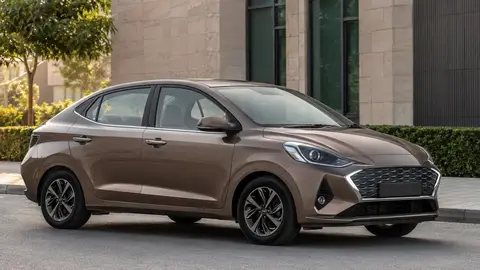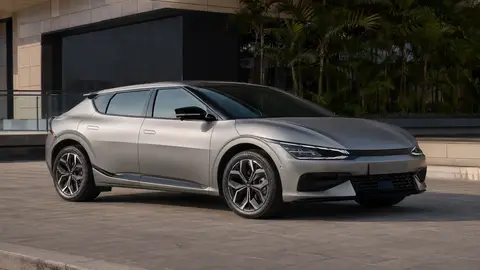
Vehicle theft in the US remains above pre-2020 levels even after easing from its 2023 peak, with the National Insurance Crime Bureau and FBI data pointing to keyless 'relay' theft, catalytic converter theft and a handful of high-theft mainstream models as the persistent problems. Certain models — particularly older Hyundai and Kia vehicles lacking engine immobilizers, and popular pickups — remain disproportionately targeted. A steering-wheel lock, a signal-blocking pouch for keyless fobs, and parking in a garage or well-lit area remain the highest-value, lowest-cost defenses.
At a glance
| Theft method | 2026 status |
|---|---|
| Keyless relay attack | Still common; countered by RFID-blocking pouches and steering locks |
| Catalytic converter theft | Elevated on high-ground-clearance vehicles and hybrids with precious-metal-rich units |
| Software-exploit theft (older immobilizer-free models) | Concentrated in a small number of older model years |
| Overall vehicle theft rate | Down from the 2023 peak, still above pre-2020 baseline in most US states |
What's actually being stolen, and how
The theft story of the last few years hasn't been about sophisticated new hacks so much as old, cheap methods scaling up. Relay attacks — where thieves use signal amplifiers to trick a car into thinking its keyless fob is nearby — remain widespread on vehicles with passive keyless entry. Catalytic converter theft, driven by the resale value of the platinum-group metals inside, continues to target trucks, SUVs and hybrids with easy underbody access.
The model-specific problem
A well-documented cluster of older Hyundai and Kia models built without engine immobilizers became a viral theft target starting in 2022, and while manufacturer software fixes and steering-wheel locks have reduced incidents, those model years still show elevated theft rates in NICB and insurer data. It's a useful reminder that theft risk varies enormously by make, model and model year — not just by neighborhood.
Why this matters for insurance and resale
Comprehensive insurance premiums are priced in part on a model's theft rate, so a car on a high-theft list can carry a noticeably higher comprehensive premium than a mechanically similar model that isn't targeted. Buyers of used vehicles in theft-prone categories should also budget for aftermarket anti-theft devices insurers increasingly ask about or discount for.
What actually reduces risk
- A visible steering-wheel lock — cheap, and a strong deterrent because it's obvious from outside the car.
- A signal-blocking (Faraday) pouch for keyless fobs, which stops relay attacks at the source.
- Parking in a locked garage or well-lit, camera-covered area rather than an open street.
- A catalytic converter etching/marking kit or clamp for at-risk vehicles.
- An aftermarket tracking device, which doesn't prevent theft but sharply improves recovery odds.
Don't assume a newer car is automatically safer. Some of the highest theft-rate models on the road are recent model years with keyless entry and no additional immobilizer hardening — check your specific model's theft data, not just its age.
The regional picture
Theft rates vary sharply by metro area and by country. UK insurers have flagged a similar rise in keyless relay theft, prompting some manufacturers to offer optional Faraday-style key pouches at point of sale. In both the US and UK, insurers and police increasingly publish theft 'hot lists' by make and model, which is the most useful single data point for a buyer trying to gauge risk before purchase.
Frequently asked questions
Which cars are most likely to be stolen in 2026?
Does a car alarm actually stop theft?
Will my insurance premium go up if my car model is on a theft list?
Is catalytic converter theft still a big problem in 2026?
Sources & further reading
- National Insurance Crime Bureau (NICB) — Hot Wheels and theft data
- FBI — Uniform Crime Reporting, motor vehicle theft
Figures, prices and policy details were current at the last-updated date above. Automotive pricing, incentives and regulations change frequently — verify time-sensitive details with the linked primary sources. Read our editorial policy and fact-checking standards.