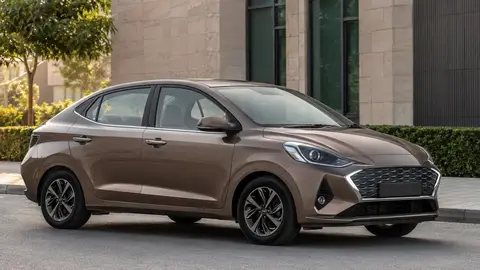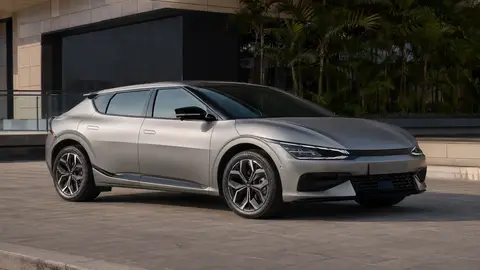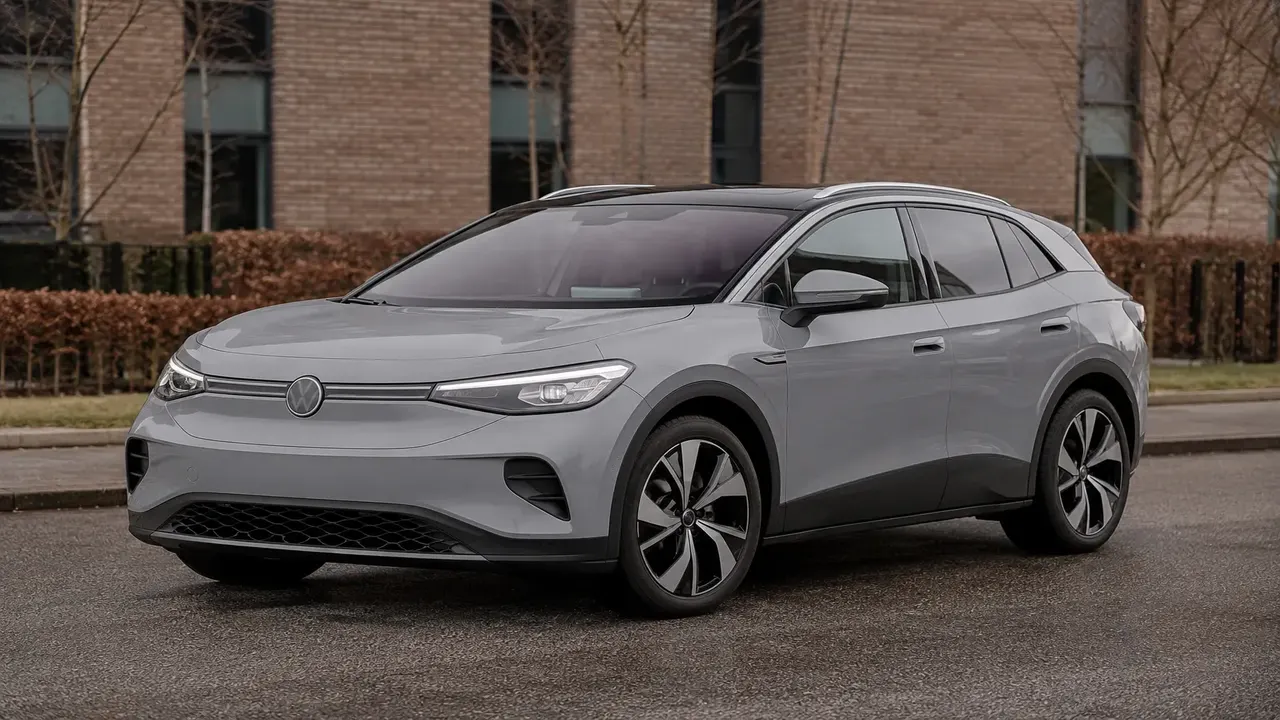
Fleet and commercial buyers continue to electrify faster than individual consumers because high daily mileage and centralized depot charging make the total-cost-of-ownership case stronger: fleet operators commonly report 30-40% lower per-mile fuel and maintenance costs on light-duty EVs versus comparable gas vans over a 5-8 year hold. Delivery giants and government agencies have electrified thousands of vans and light trucks, though public charging reliability is largely irrelevant to them since most fleets charge overnight at a depot.
At a glance
| Driver of fleet EV adoption | Why it matters |
|---|---|
| Depot (overnight) charging | Removes public-charger reliability as a concern |
| High daily mileage | Fuel and maintenance savings compound faster |
| Predictable routes | Range anxiety mostly disappears on fixed routes |
| Total cost of ownership focus | Fleets buy on 5-8 year lifecycle math, not sticker price |
Why fleets behave differently from individual buyers
A private buyer weighs upfront price, charging convenience near home and work, and resale value. A fleet manager weighs cost per mile over a multi-year hold period, maintenance downtime, and driver safety — and on those metrics, electric light-duty vans and trucks often win outright once a depot charging yard is built. The upfront capital cost of chargers and vehicles is real, but it's a one-time infrastructure investment set against years of lower fuel and brake-wear costs (regenerative braking reduces brake pad wear significantly).
Where electrification is concentrated
- Last-mile delivery: parcel and logistics operators have been the most aggressive adopters, given short, repetitive urban routes that suit current EV range and depot charging.
- Municipal and government fleets: transit buses, postal vehicles, and city service vehicles are common early movers, often supported by public procurement targets.
- Corporate sales and service fleets: companies with regional sales reps or field technicians are electrifying more cautiously, since routes are less predictable than depot-based delivery.
- Ride-hailing: some ride-hailing platforms have set internal EV targets for drivers in certain cities, tied to per-mile cost savings and local emissions rules.
What's slowing broader fleet adoption
The binding constraint for most fleets isn't the vehicle — it's depot electrical capacity. Installing dozens of high-power chargers at a single site often requires a utility grid upgrade that can take a year or more to schedule and fund, longer than the vehicle order itself. Fleets also cite total upfront capital outlay (vehicles plus charging infrastructure at once) as harder to justify than a purchase decision spread over time.
The total-cost-of-ownership math fleets actually run
| Cost category | Typical fleet EV vs. gas van |
|---|---|
| Fuel/energy cost per mile | Lower, often by 40-60% depending on local electricity vs. fuel prices |
| Scheduled maintenance | Lower — no oil changes, fewer brake jobs |
| Upfront vehicle + charger cost | Higher, offset over the hold period |
| Downtime for charging vs. fueling | Can be higher if depot charging isn't fast enough for route return times |
Fleet TCO savings assume enough depot charging capacity and route predictability. A fleet that can't charge reliably overnight, or that runs unpredictable long-haul routes, may not see the same payback.
What to expect through 2026 and beyond
Expect continued, steady fleet electrification concentrated in delivery, transit, and municipal sectors, gated less by vehicle availability than by how fast utilities can upgrade depot electrical service. Corporate sales-fleet electrification will likely lag consumer and delivery-fleet adoption until charging infrastructure at employees' homes and offices becomes more standard.
Frequently asked questions
Why are companies still buying electric vans and trucks?
What's the biggest obstacle to fleet electrification?
Do fleet EVs save money compared to gas vehicles?
Which types of fleets are electrifying fastest?
Is fleet EV adoption slowing down in 2026?
Sources & further reading
- US Department of Energy — Alternative Fuels Data Center, fleet resources
- International Energy Agency — Global EV Outlook 2026
Figures, prices and policy details were current at the last-updated date above. Automotive pricing, incentives and regulations change frequently — verify time-sensitive details with the linked primary sources. Read our editorial policy and fact-checking standards.