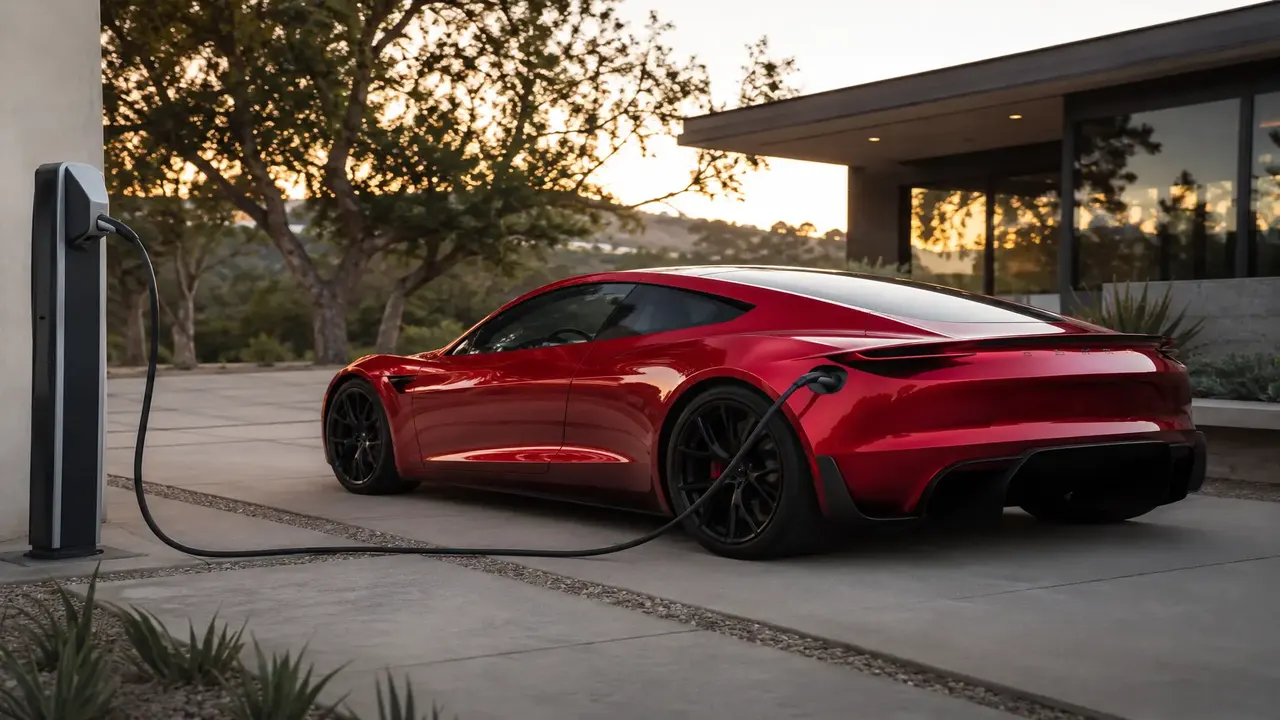
By 2026, the North American Charging Standard (NACS) — originally Tesla's proprietary plug — has become the default connector for new EVs sold in North America, with Ford, GM, Rivian, Honda, Nissan, Hyundai, Kia, Volvo, Polestar and Stellantis brands among those that have adopted it or committed to it. Existing CCS-equipped EVs can use an adapter to access Tesla's Supercharger network, which has opened thousands of stalls to non-Tesla vehicles. The practical effect for most drivers: more usable fast-charging stalls, but a temporary mix of native NACS ports, adapters, and legacy CCS stations to navigate.
At a glance
| Item | 2026 status |
|---|---|
| Automakers adopting NACS | Most major North American-market brands |
| Tesla Supercharger access for non-Tesla EVs | Widely available via adapter or native port |
| CCS still in use | Yes, on existing vehicles and some newer models |
| New EVs still shipping with CCS | Shrinking share, mostly older platforms |
How we got here
Ford was the first major non-Tesla automaker to announce it would adopt NACS in 2023, and the rest of the industry followed in quick succession — GM, Rivian, Honda, Nissan, Hyundai, Kia, Volvo, Polestar and Stellantis brands (including Jeep and Dodge) have all adopted or committed to the connector. The shift consolidated what had been a fragmented US charging standard landscape (CCS1 vs. Tesla's proprietary plug) into a single dominant physical connector for North America, something Europe and other regions had already achieved with CCS2 and Type 2 respectively.
What changed for drivers
- More usable fast chargers: Tesla's Supercharger network, long regarded as the most reliable in North America, is now accessible to a growing share of non-Tesla EVs.
- Adapter era: many current EVs still have a CCS port and use a NACS adapter (Tesla-made or third-party) to plug into Superchargers; newer model-year vehicles increasingly ship with a native NACS port instead.
- Home charging unaffected: Level 2 home charging equipment sold today commonly supports both connector types or ships with the appropriate adapter, so home charging setups are largely unaffected by the transition.
- CCS isn't dead yet: plenty of EVs on the road, and some new models, still use CCS, and third-party CCS networks continue to expand and improve reliability in parallel.
What hasn't changed
The charging speed and battery chemistry of a given vehicle are unrelated to which physical connector it uses — a NACS adapter or port doesn't make a car charge faster than its battery and onboard charger allow. The transition is about connector compatibility and network access, not charging performance itself.
What to check before you buy or adapt
- Confirm whether your EV (or one you're considering) ships with a native NACS port or requires an adapter for Supercharger access.
- If using an adapter, buy from the automaker or Tesla directly rather than an uncertified third party, since fit and safety certification matter at high currents.
- Check that your home charger and any other networks you rely on still work with your vehicle's port configuration.
- Don't assume every Supercharger stall accepts non-Tesla vehicles — some older or capacity-constrained sites are still Tesla-only.
Not every Supercharger location has opened to non-Tesla vehicles yet, and stall availability at busy sites can be tighter with more vehicle types competing for the same chargers. Check real-time availability before routing a trip around Supercharger access alone.
Frequently asked questions
What is NACS in EV charging?
Can non-Tesla EVs use Tesla Superchargers now?
Do I need an adapter for my current EV to use NACS chargers?
Is CCS charging going away?
Does switching to NACS make an EV charge faster?
Sources & further reading
Figures, prices and policy details were current at the last-updated date above. Automotive pricing, incentives and regulations change frequently — verify time-sensitive details with the linked primary sources. Read our editorial policy and fact-checking standards.