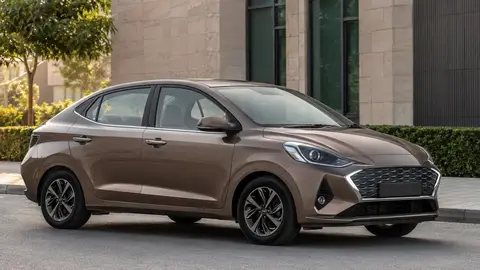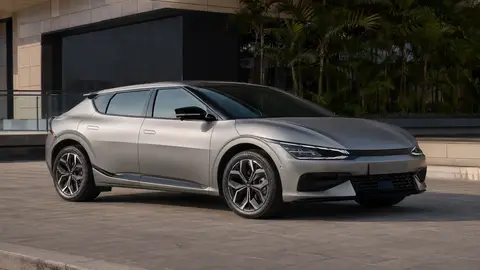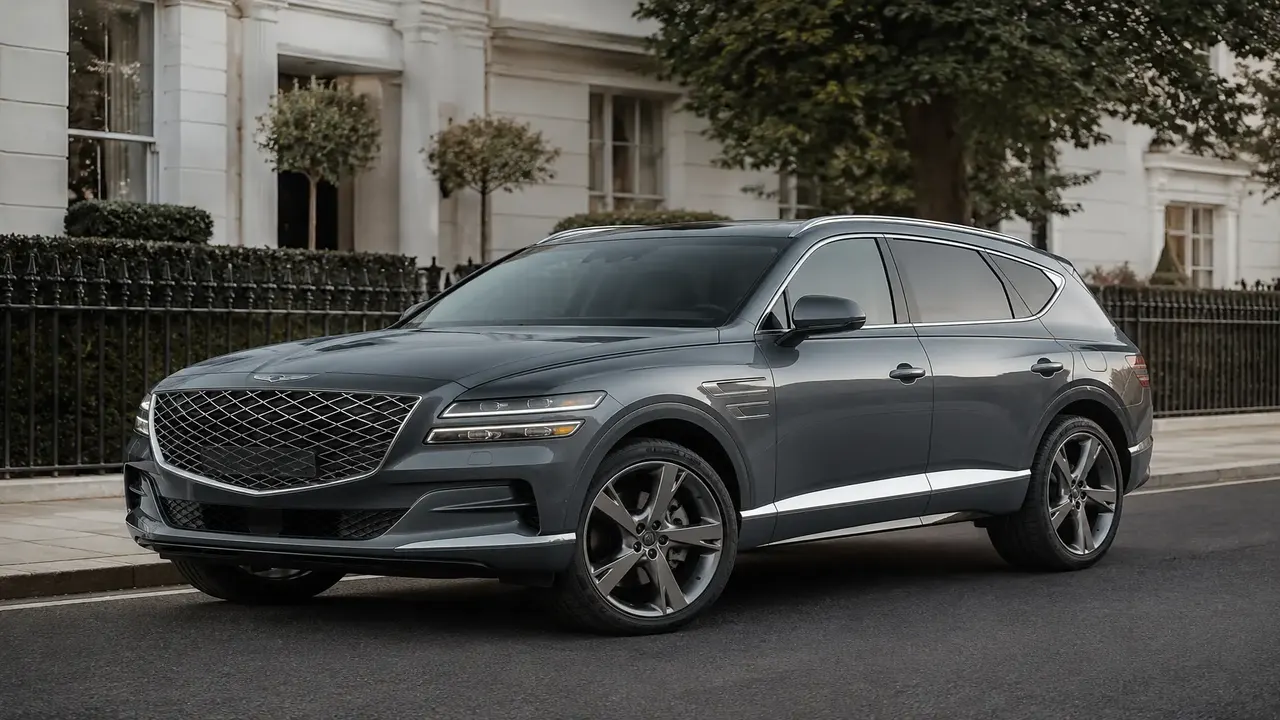
Global hydrogen fuel cell vehicle sales rose by roughly 25% year-on-year in 2025 according to industry tracking, but from a very small base - total cumulative fleet worldwide is still well under 100,000 passenger vehicles, dwarfed by the tens of millions of battery EVs on the road. The Toyota Mirai and Hyundai Nexo remain the only mainstream models, refueling stations number only around 1,000 globally, concentrated in Japan, South Korea, California and parts of Germany - and hydrogen cars refuel in about 5 minutes with a range near 400 miles, their main real advantage over BEVs.
At a glance
| Metric | Figure |
|---|---|
| Global cumulative FCEV passenger fleet | well under 100,000 vehicles |
| 2025 sales growth (small base) | roughly +25% year-on-year |
| Global hydrogen refueling stations | roughly 1,000, concentrated in Japan, S. Korea, California, Germany |
| Typical refuel time | about 5 minutes |
| Typical range | around 350-400 miles |
Why hydrogen hasn't scaled like battery EVs
The core problem isn't the car - it's the fuel. Hydrogen refueling stations cost several times more to build than an EV fast-charging bay, hydrogen itself is expensive to produce, compress, transport and store, and most of it today is still made from natural gas ("grey" hydrogen) rather than renewable electricity ("green" hydrogen), undercutting the environmental case. Battery EVs, by contrast, can use existing electrical grid infrastructure and home charging, which is why they scaled an order of magnitude faster over the same decade.
Where hydrogen still makes sense
- Long-haul trucking and buses, where fast refueling and long range matter more than for passenger cars, and a handful of dedicated freight corridors are being built out (particularly in California, parts of Europe, and South Korea).
- Regions with existing state-backed infrastructure - Japan and South Korea both treat hydrogen as a strategic energy priority and subsidize stations and vehicles heavily, which is why FCEV adoption is concentrated there.
- High-utilization fleets (taxis, government fleets) where fast refueling minimizes vehicle downtime compared with EV charging.
The passenger car case is weaker
For everyday personal car buyers, hydrogen offers little that a home-charging BEV doesn't already solve, at a significantly higher cost per mile for fuel and with a far smaller station network. Several automakers (Honda, Mercedes-Benz) that once sold hydrogen passenger cars have quietly wound those programs down, redirecting R&D toward BEVs and, in some cases, hydrogen for commercial trucking instead.
What could change the trajectory
Green hydrogen production costs are falling as electrolyzer technology and renewable power scale up, and several governments (the EU, Japan, South Korea, and some Gulf states) are funding green hydrogen hubs explicitly to bring costs down over the next decade. If that materializes at scale, it would help commercial and industrial hydrogen use cases more directly than passenger cars, since the infrastructure and cost case for personal vehicles remains the weakest link in the chain.
Should you consider a hydrogen car?
Only if you live within easy reach of a working station network (realistically: parts of California, Japan or South Korea) and value the fast refueling time enough to accept limited station choice and per-mile fuel costs that are often higher than gasoline. For the vast majority of buyers, a battery EV or plug-in hybrid remains the far more practical zero- or low-emission choice today.
Hydrogen station reliability has been a real problem in existing networks - station outages in California have left FCEV owners unable to refuel for days at a time. Check current station uptime data before relying on hydrogen for daily driving.
Frequently asked questions
Are hydrogen cars still being sold in 2026?
Why haven't hydrogen cars caught on like electric vehicles?
Is hydrogen better than battery electric for cars?
Where can I actually refuel a hydrogen car?
Is green hydrogen actually clean?
Sources & further reading
- International Energy Agency - Global Hydrogen Review
- electrive.com - global hydrogen vehicle sales tracking
Figures, prices and policy details were current at the last-updated date above. Automotive pricing, incentives and regulations change frequently — verify time-sensitive details with the linked primary sources. Read our editorial policy and fact-checking standards.