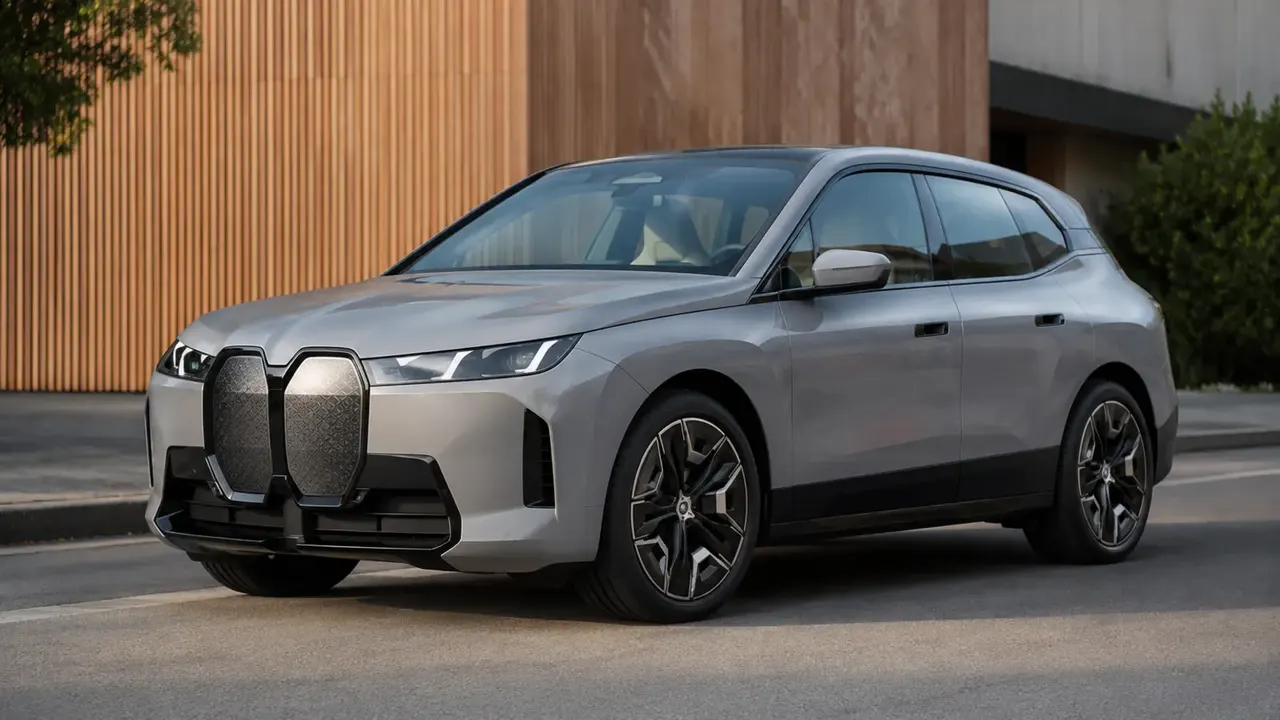
In a typical non-redesign, non-facelift year, model-year changes are usually minor: color option updates, small equipment shuffles between trims, minor software and infotainment updates, and price adjustments — commonly a 1-3% increase. Outgoing model-year vehicles are frequently discounted once the next model year arrives, often saving buyers several hundred to a few thousand dollars with essentially the same vehicle, making late-model-year and leftover inventory a reliable value opportunity for buyers who don't need the newest badge.
At a glance
| Change type | How often it happens |
|---|---|
| Minor equipment/color shuffle | Nearly every model year |
| Software/infotainment update | Common, often yearly |
| Price adjustment | Typically 1-3% annually |
| Facelift (styling/tech refresh) | Roughly every 2-4 years |
| Full redesign (platform change) | Roughly every 5-8 years |
Why most model-year changes are small
Between major redesigns and facelifts, automakers typically make only incremental changes each model year: shuffling which features come standard on which trim, updating exterior color choices, refreshing infotainment software, and adjusting pricing. These changes let automakers keep a model feeling current without the cost of a major engineering update, and they're the reason a 'new model year' badge often applies to what is mechanically the same vehicle as the year before.
How to identify a true low-change year
- Compare the trim and feature lineup year over year — if it's nearly identical with only color or minor tech tweaks, it's a low-change year.
- Check whether the model is within its facelift or redesign window (roughly years 2-4 or 5-8 of the generation) — outside those windows, expect minimal change.
- Look for unchanged exterior dimensions and identical engine/transmission specifications as a signal nothing structural changed.
Why leftover model-year inventory is a value opportunity
Once a new model year arrives at dealers, outgoing inventory typically gets discounted to clear space, even when the two model years are functionally identical. This creates a predictable seasonal opportunity, generally strongest in the final quarter of the calendar year as new model-year vehicles arrive, for buyers willing to accept a technically 'older' model year in exchange for a lower price on the same vehicle.
How to time a purchase around model-year changes
- Check whether next year's model is expected to bring a facelift or redesign — if so, the current outgoing model year may see steeper discounts.
- If no major change is coming, a low-change leftover model year is often the best value since you're not sacrificing meaningful features.
- If you specifically want new safety or infotainment features being introduced, check whether they're arriving as a mid-cycle software/equipment update versus waiting for a full facelift.
Not all leftover inventory is a bargain — check that the specific trim and options you want are actually available in leftover stock, since dealers often clear less popular configurations first, leaving the most desirable trims to sell at full price.
The takeaway for shoppers
A new model-year badge is not, by itself, a meaningful upgrade signal. Look at what specifically changed — equipment, software, styling, or platform — before deciding whether paying for the newest model year is worth it over a discounted outgoing one.
Frequently asked questions
Is it worth buying last year's model to save money?
What typically changes between model years?
How do I know if a model year has major changes?
When is the best time to buy a leftover model-year vehicle?
Sources & further reading
- Edmunds — Model Year Changeover Buying Guide
- Kelley Blue Book — New Car Pricing and Model Year Guidance
Figures, prices and policy details were current at the last-updated date above. Automotive pricing, incentives and regulations change frequently — verify time-sensitive details with the linked primary sources. Read our editorial policy and fact-checking standards.