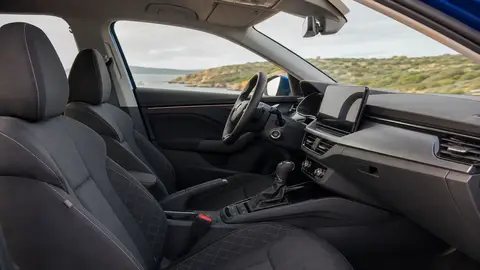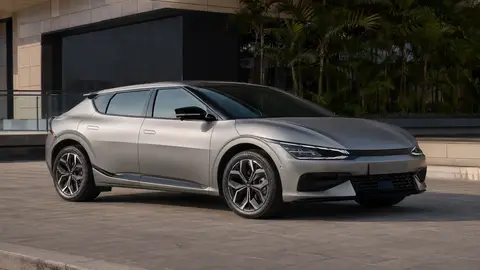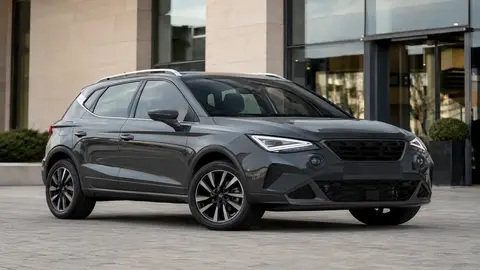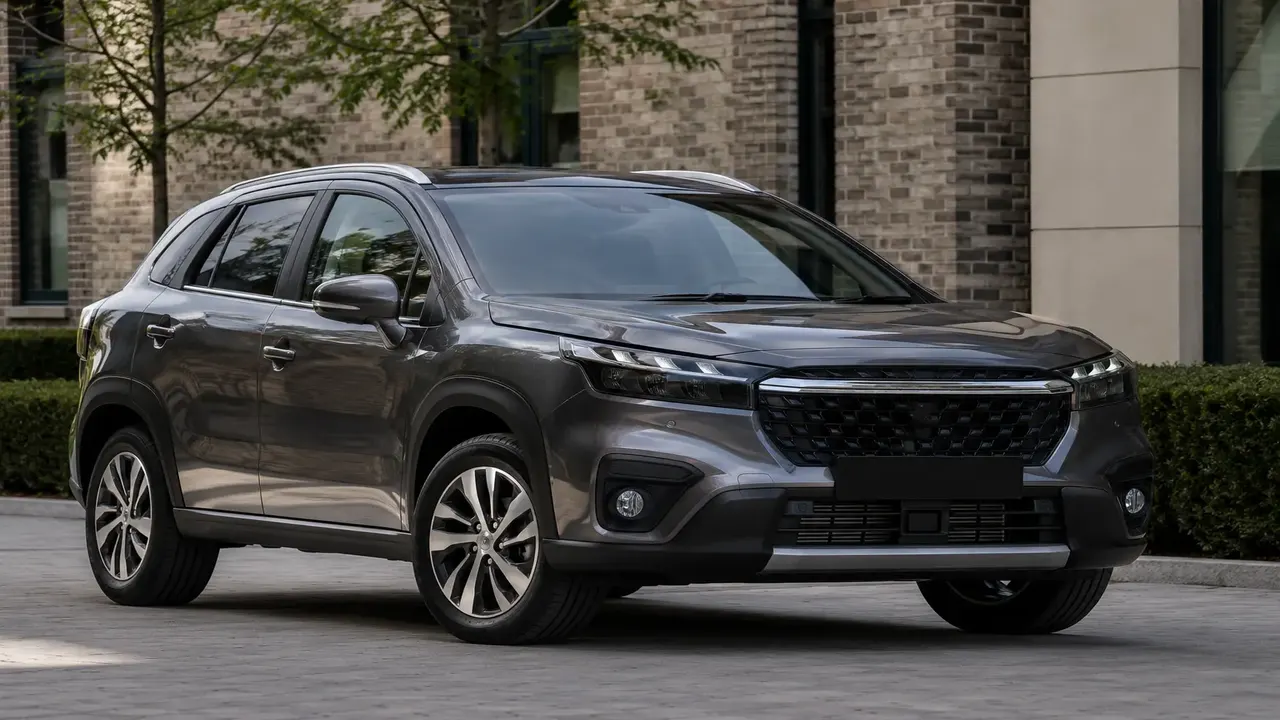
A facelift (also called a mid-cycle refresh) typically updates styling details, technology and trim offerings on an existing vehicle platform, usually arriving 2-4 years into a model's lifecycle, while a full redesign replaces the underlying platform, structure and often the powertrain lineup entirely, typically every 5-8 years. Facelifts cost automakers a fraction of a full redesign and usually bring modest price increases of a few hundred to a couple thousand dollars, while full redesigns often bring more significant price jumps alongside genuinely new engineering underneath.
At a glance
| Feature | Facelift | Full redesign |
|---|---|---|
| Typical timing in model lifecycle | 2-4 years in | Every 5-8 years |
| What changes | Styling details, tech, trims | Platform, structure, often powertrain |
| Typical price impact | Modest increase | Larger increase |
| Development cost to automaker | Lower | Significantly higher |
| Reliability data carryover | Mostly applicable from prior years | Limited/unavailable initially |
What actually changes in a facelift
A facelift keeps the core vehicle platform, chassis and typically the powertrain lineup intact, while updating the front and rear styling (new bumpers, lights, grille), refreshing the interior trim and technology (larger infotainment screen, updated software, added safety features), and sometimes adding or removing specific trim levels. The underlying vehicle you're sitting in and driving is still fundamentally the same car mechanically.
This matters directly for reliability research: a facelifted model's crash-test and reliability data generally still applies reasonably well from the pre-facelift years, since the structure and major mechanical components haven't changed.
What actually changes in a full redesign
A full redesign replaces the vehicle's underlying platform — the structural architecture the car is built on — which allows genuinely new dimensions, weight distribution, crash safety engineering and often an entirely new powertrain lineup, including the option to add hybrid or EV variants that weren't possible on the old platform. This is a much bigger, more expensive undertaking, which is why redesigns happen far less often than facelifts.
Why this distinction matters for buyers
- A freshly redesigned model has no verified real-world reliability track record yet — treat early reviews and reliability claims with more caution.
- A facelifted model benefits from a more mature, better-understood platform, generally a safer bet if reliability is a top priority.
- Redesign years often bring the biggest price jumps — buying the last model year before a redesign can be a value play if you don't need the newest features.
- Facelift years are a good time to find remaining discounts on the outgoing pre-facelift version.
How to tell which one you're looking at
- Check the model's production history — has this generation been on sale for 2-4 years (likely facelift-eligible) or 5+ years (likely due for redesign)?
- Compare exterior proportions to the prior generation — a genuinely new platform usually shows in changed overall dimensions, not just styling details.
- Look for powertrain changes — a new hybrid or EV variant added to a previously combustion-only model usually signals a platform-level redesign.
Marketing language like 'all-new' gets applied loosely to both facelifts and full redesigns — don't rely on the automaker's own description alone; check what actually changed underneath.
The bottom line for shopping
Neither a facelift nor a redesign is automatically the 'better' buy — a well-executed facelift on a proven platform can be a safer, better-value choice than a brand-new, unproven redesign, while a redesign that finally adds a hybrid option or fixes a longstanding flaw can be well worth the premium. Know which one you're looking at before comparing price and features.
Frequently asked questions
What's the difference between a facelift and a redesign?
Is a facelifted car as reliable as the previous model?
Should I buy the last year before a redesign or wait for the new one?
How can I tell if a car is facelifted or fully redesigned?
Sources & further reading
Figures, prices and policy details were current at the last-updated date above. Automotive pricing, incentives and regulations change frequently — verify time-sensitive details with the linked primary sources. Read our editorial policy and fact-checking standards.