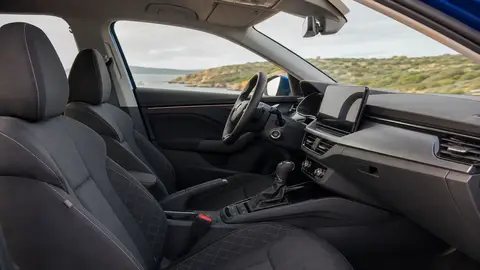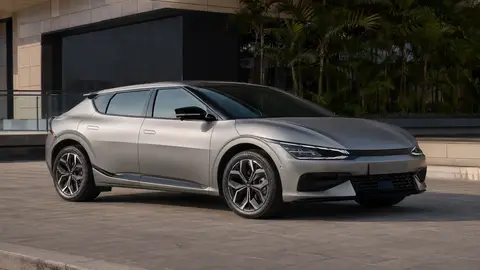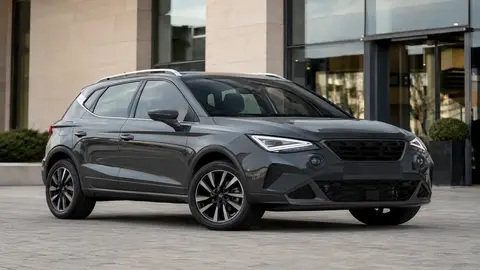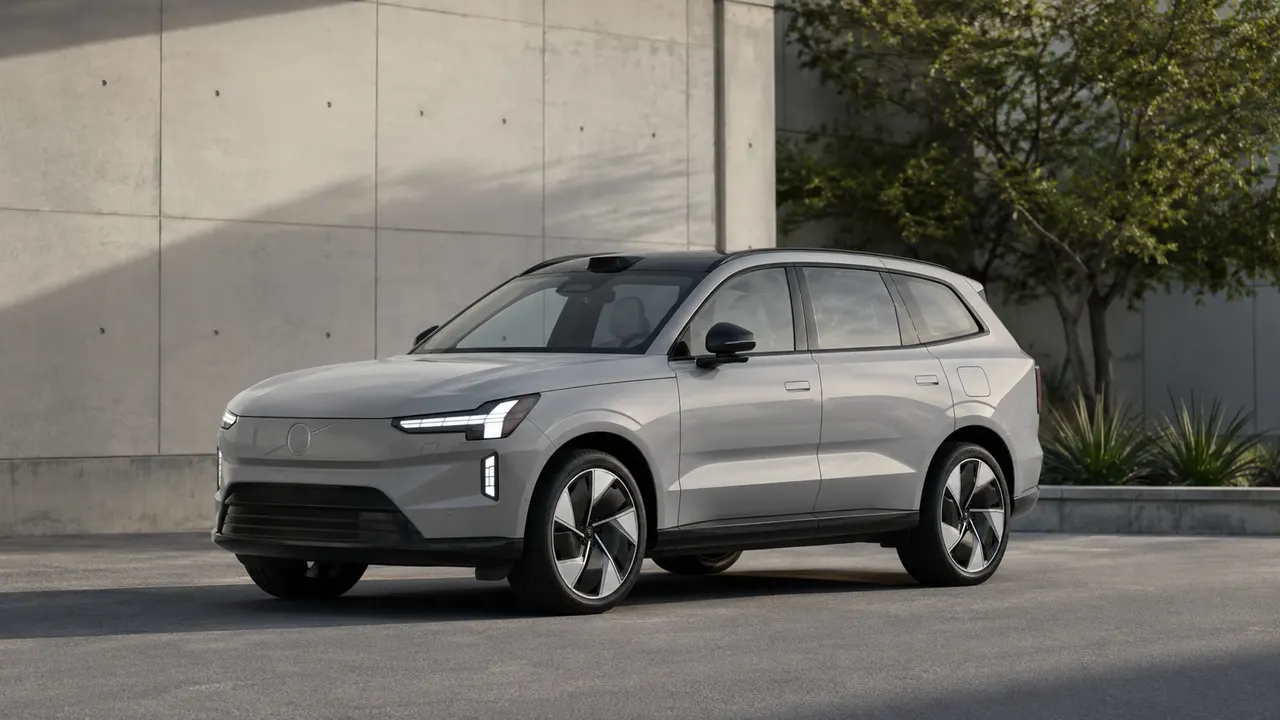
New vehicle technology typically debuts on flagship or luxury models first, where higher margins can absorb development cost, then trickles down to mainstream models over roughly 3-7 years if it proves popular and its cost falls enough. Recent examples following this pattern include advanced driver-assistance features (adaptive cruise, lane-centering) and larger central touchscreens, both now common well below the luxury segment. Some flagship technologies never trickle down meaningfully — either because cost never falls enough or mainstream buyer demand doesn't materialize, which is a useful signal for whether a splashy new feature will matter beyond the model it launches on.
At a glance
| Metric | Typical figure |
|---|---|
| Typical time for tech to trickle down to mainstream | 3-7 years |
| Example that trickled down widely | Adaptive cruise control, lane-centering |
| Example still mostly flagship-only | Advanced hands-free highway driving systems |
| Main driver of trickle-down speed | Component cost reduction at scale |
| Main reason a feature never trickles down | Cost stays high or demand stays niche |
Why new technology debuts on flagships first
Flagship and luxury models carry higher profit margins per vehicle, giving automakers room to absorb the cost of unproven, expensive new technology without needing to sell it at scale immediately. It also lets automakers test real-world reliability and gather usage data on a smaller customer base before committing to mass production for the technology across cheaper, higher-volume models.
This pattern has held steady across technology waves for decades — from anti-lock brakes and airbags decades ago to today's advanced driver-assistance systems and large in-cabin displays.
What determines whether a feature trickles down
- Component cost curve — technologies built on rapidly commoditizing hardware (sensors, chips, screens) trickle down faster than those needing exotic materials or complex proprietary systems.
- Regulatory push — features that regulators eventually mandate or strongly incentivize (like certain safety systems) trickle down faster and more completely than purely optional comfort features.
- Genuine mainstream demand — a flagship feature that mainstream buyers don't actually want or use much stays a flagship exclusive regardless of falling cost.
- Manufacturing complexity — features requiring significant structural or platform changes take longer to reach cheaper platforms not originally engineered for them.
Recent examples worth watching
| Technology | Trickle-down status |
|---|---|
| Adaptive cruise control | Now common across most segments |
| Large central touchscreens | Now common across most segments |
| Advanced hands-free highway driving | Still mostly flagship/luxury-exclusive |
| Rear-seat entertainment/large secondary screens | Mixed — trickling down slowly |
| Night vision/thermal camera systems | Still niche, limited trickle-down |
How to use this when shopping
- Don't assume a flagship feature will reach your price range on a predictable timeline — check whether its cost driver is commoditizing hardware or something harder to cheapen.
- Consider whether a feature you want badly enough to pay a flagship premium for is likely to trickle down soon, in which case waiting may be the better financial move.
- Be skeptical of headline flagship features marketed as 'the future of driving' — many never reach mainstream models at all.
A feature being available on a flagship model today is not a reliable signal it will be affordable or common in a few years — some genuinely never trickle down meaningfully.
What to watch through 2026
The clearest trickle-down candidates right now are further ADAS refinements and improved voice-assistant integration, both riding rapidly falling sensor and chip costs. The technologies most likely to stay flagship-exclusive longer are the most computationally intensive hands-free driving systems, which still require expensive sensor suites and processing power that haven't commoditized as fast.
Frequently asked questions
How long does it take for luxury car technology to become standard?
Do all flagship features eventually trickle down to cheaper cars?
Is it worth paying extra for the newest car technology now?
What's an example of a technology that never widely trickled down?
Sources & further reading
- IIHS — Advanced Driver Assistance Systems Research
- SAE International — Vehicle Technology Trend Reports
Figures, prices and policy details were current at the last-updated date above. Automotive pricing, incentives and regulations change frequently — verify time-sensitive details with the linked primary sources. Read our editorial policy and fact-checking standards.